


Overview
o-Xylene (CAS 95-47-6) is classified as a flammable liquid under UN 1307, Class 3, Packing Group III. The applicable transport classification should always be confirmed against the current SDS and the regulations governing the specific mode of transport and destination country.
Safe Storage and Transport of o-Xylene liquid
1. Standard Storage Requirements
Keep ortho xylene inside original tightly sealed steel or HDPE containers only.
Place goods in cool, well-ventilated and fireproof designated zones.
Avoid direct connection with drains and sewers to stop spillage pollution.
2. Core Safety Operation Rules
2.1 Fire and Ignition Prevention
Its flash point is 32°C, so all related working areas are fully non-smoking.
Adopt explosion-proof ventilation, lighting devices and non-sparking tools.
2.2 Static Electricity Prevention
Static charge easily builds up during liquid pouring and transferring.
Ground and connect all metal containers and conveying facilities fully before use to eliminate spark risks.
2.3 On-site Facility Matching
Equip storage zones with complete fire extinguishing systems and steam detection devices.
3. Suitable Packaging Selection
Large-scale industrial storage: adopt stainless steel and HDPE packaging.
Laboratory small dosage: glass and PTFE containers are allowed.
Forbid common unqualified plastic containers, as o-Xylene will erode such materials.
4. Safe Transportation Specifications of o-xylene (CAS 95-47-6)
Hazard classification: Class 3 flammable liquid, UN 1307, Packing Group III.
Common shipping forms: sealed steel drums, tank trucks and railway tank cars.
Keep the liquid far away from heat sources, open flames, sparks, strong oxidants and acids in transit.
5. Relevant Regulatory Compliance
Marine transportation: follow all rules of the IMDG Code.
Land and railway transportation: comply with official hazardous goods transport regulations.
6. Personal Handling & Exposure Protection
Necessary PPE: nitrile or Viton chemical resistant gloves, chemical safety goggles and face shields.
Wear organic vapor respirators when ventilation conditions are poor.
Occupational exposure limit: 8-hour time-weighted average airborne concentration shall not exceed 100 ppm, in line with OSHA and NIOSH standard limits.

Documents to Check Before Shipping o-Xylene
Before arranging o-xylene transportation, buyers and logistics providers should verify the current SDS, applicable dangerous goods classification, approved packaging requirements and shipment documentation.
For international shipments, confirm the applicable requirements for the selected transport mode, including sea freight where relevant. The shipper should ensure that the product description, UN number, hazard class, packing group, packaging and transport documents are consistent with the current SDS and the regulations applicable to the shipment route.
For procurement purposes, buyers should also request a COA to verify the product specification and confirm any destination-specific import documentation before dispatch.
CAS 95-47-6 o-xylene Specifications
|
HS Code |
522474 |
| Cas Number | 95-47-6 |
| Iupac Name | 1,2-Dimethylbenzene |
| Molecular Formula | C8H10 |
| Molar Mass | 106.17 g/mol |
| Appearance | Colorless liquid |
| Odor | Sweet, aromatic |
| Melting Point | -25°C |
| Boiling Point | 144°C |
| Density | 0.88 g/cm³ at 20°C |
| Solubility In Water | Insoluble |
| Vapor Pressure | 6.6 mmHg at 25°C |
| Flash Point | 32°C (closed cup) |
| Autoignition Temperature | 463°C |
| Refractive Index | 1.505 at 20°C |
| Logp | 3.12 |
Request a Technical Data Sheet
conclusion
o-Xylene (CAS 95-47-6) must be stored in tightly sealed, compatible containers in a cool, well-ventilated, ignition-free area, and kept away from oxidizing agents due to its high flammability. During transportation, it is classified as a Class 3 flammable liquid (UN 1307) and requires approved packaging, proper labeling, and strict handling controls to prevent leaks, vapor exposure, and fire hazards.
about us
Established in 2021, Tianjin Gnee Biotech Co., Ltd. (GNEE BIO) is a professional chemical supplier serving global markets with a focus on industrial solvents, chlorinated solvents, oxygenated solvents, aromatic hydrocarbons, glycols, and other chemical raw materials.
With continuous development and industry experience, we have established ourselves as a reliable chemical supplier, providing one-stop sourcing solutions and professional services to customers worldwide.
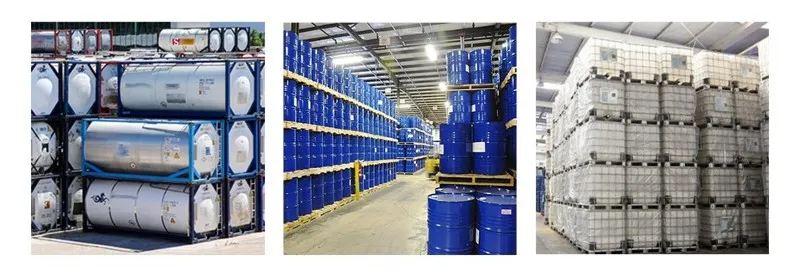
GNEE BIO Product Packaging
| Packaging Type | Net Weight |
|---|---|
| Steel Drum | 250 kg |
| IBC Tank | 1250 kg |
| ISO Tank | Bulk shipment |
Customer Visit

Frequently Asked Questions About o-Xylene Storage and Transportation
Q: Can o-xylene be transported by sea?
A: Yes. o-Xylene can be transported internationally by sea when the shipment is packaged, marked, documented, and handled in accordance with the applicable dangerous goods requirements, including the relevant IMDG requirements.
Q: What packaging is commonly used for o-xylene?
A: Depending on shipment volume and transportation requirements, o-xylene may be supplied in suitable steel drums, approved bulk containers, tank trucks, or ISO tanks. The final packaging must be compatible with the product and compliant with applicable transport regulations.
Q: How should o-xylene be stored?
A: Store o-xylene in tightly closed, compatible containers in a cool, well-ventilated area away from heat, flames, sparks, and incompatible materials. Appropriate spill-control and fire-protection measures should also be available.
Q: Does o-xylene require special PPE?
A: Yes. Chemical-resistant gloves, eye protection, protective clothing, and adequate ventilation are important during handling. Where engineering controls cannot adequately control vapor exposure, appropriate respiratory protection should be selected according to the workplace risk assessment and applicable regulations.
Q: Can o-xylene be shipped in bulk?
A: Yes. Bulk transportation may be possible using suitable tank trucks or ISO tanks, subject to shipment volume, route, equipment specifications, and dangerous goods regulations.
Q: What documents should I request when buying o-xylene?
A: For B2B procurement, buyers should normally request an up-to-date SDS/MSDS and COA. Depending on the application and destination, a TDS, commercial invoice, packing list, certificate of origin, and dangerous goods transport documentation may also be required.
Q: What should buyers confirm before ordering o-xylene?
A: Buyers should confirm the required purity, quantity, packaging, destination port, Incoterms, delivery schedule, SDS, COA, and applicable import and dangerous goods requirements before placing an order.