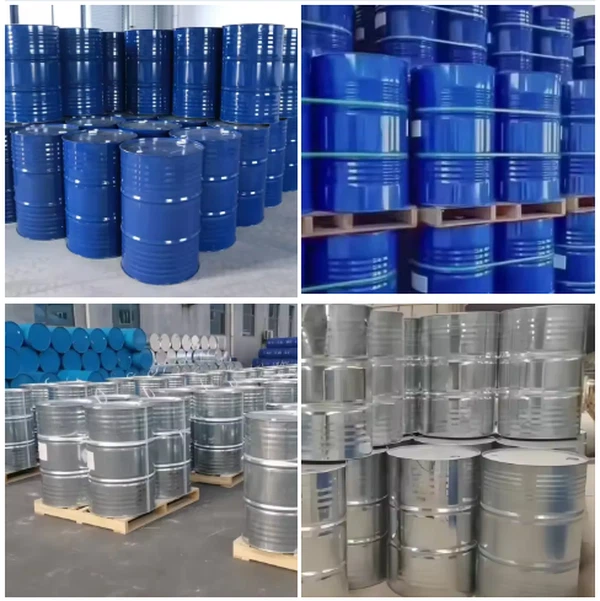

CAS No. 75-09-2 Dichloromethane (DCM) also known as methylene chloride,is a widely used industrial solvent that presents significant occupational health risks when improperly handled. While valued for its exceptional solvency properties in manufacturing, pharmaceutical production, and chemical processing, this volatile chlorinated hydrocarbon carries well-documented hazards including acute neurotoxicity, cardiovascular risks, and potential carcinogenic effects as established by multiple global regulatory and scientific authorities.
Chemical Identification and Exposure Routes
Dichloromethane (CH₂Cl₂), also known as methylene chloride or DCM solvent, is a colorless, volatile liquid with a characteristic sweet, chloroform-like odor. Human exposure occurs through three primary pathways:
- Inhalation :The most common route due to high volatility
- Dermal absorption : Liquid DCM penetrates skin and protective clothing
- Eye and skin contact: Direct contact causes chemical irritation and burns
- Ingestion - Less common but potentially fatal if aspirated

|
Chemical Identifier |
Value |
|
CAS Number |
75-09-2 |
|
Molecular Formula |
CH₂Cl₂ |
|
Molecular Weight |
84.93 g/mol |
|
Boiling Point |
39.8°C (104°F) |
|
Vapor Pressure |
349–350 mmHg at 20°C |
|
Vapor Density (air=1) |
2.9 (heavier than air, accumulates in low areas) |
|
Odor Threshold |
25–320 ppm (poor warning property due to olfactory adaptation) |
Human Health Effects of Dichloromethane
Dichloromethane can be absorbed into the body via inhalation, ingestion or skin contact. Symptoms include headache, light-headedness, blurred vision, confusion, agitation and skin rashes. In severe cases kidney damage, fitting, heart problems and coma can occur.
Protection Measures
| Respiratory Protection | When the concentration in the air exceeds the standard, a direct-type gas mask (half mask) should be worn. During emergency rescue or evacuation, use a self-contained breathing apparatus. |
| Eye Protection | When necessary, wear chemical safety protective glasses. |
| Body Protection | Wear protective clothing resistant to chemical penetration. |
| Hand Protection | Wear chemical-resistant gloves. |
| Other | Smoking, eating, and drinking are prohibited at the worksite. After work, shower and change clothes. Store contaminated clothing separately and wash it before reuse. Maintain personal cleanliness and hygiene. |
Frequently Asked Questions (FAQ)
Is dichloromethane flammable?
Dichloromethane is generally classified as non-flammable under normal ambient conditions and has no measurable flash point in standard closed-cup tests. However, at elevated temperatures above 100°C, it can form flammable vapor-air mixtures within the range of 12–19% by volume in air.
How long does DCM stay in your system?
The elimination half-life of dichloromethane from the body is approximately 1–4 hours, depending on exposure level and individual metabolism. However, carboxyhemoglobin formed from DCM metabolism has a longer half-life of approximately 4–5 hours in healthy individuals breathing room air.
What is the difference between OSHA and EPA exposure limits for DCM?
OSHA maintains the long-standing Permissible Exposure Limits (PELs) of 25 ppm 8-hour TWA and 125 ppm STEL under 29 CFR 1910.1052. The 2024 EPA TSCA rule established significantly lower Existing Chemical Exposure Limits (ECELs) of 2 ppm TWA and 16 ppm STEL as part of its chemical risk management program. Facilities must comply with all applicable regulatory requirements.
Can DCM be absorbed through the skin?
Yes, liquid dichloromethane is readily absorbed through intact human skin. Dermal absorption can contribute significantly to total body burden, particularly during prolonged or repeated contact. This is why impervious gloves and full-body protection are mandatory for handling.
about us
GNEE BIO was established in 2016, adhering to thecorporate philosophy of "global chemical raw material supplier" and focusing on high-quality chemical industries. The company primarily deals chemical raw materials, such as dichloromethane; methyl sulfoxide DMSO (industrial and pharmaceutical grade); ethylene glycol (MEG); p-Xylene, etc.
All our chemical productshave obtained international certifications including REACH, ISO, FMQS, HALAL, andHalal certification, ensuring quality and global recognition, We have warehouses in coreports such as Qingdao, Tianiin, and Shanghai, with a 15-day express delivery service.
Packaging
|
Package |
Quantity/20'FCL |
|
160KGS Drum |
12.8MTS |
|
800KGS IBC Drum |
16MTS |
|
IOS Tank |
18.5MTS |