

CAS 107-21-1 Ethylene glycol is highly toxic and classified as a flammable substance, although it requires preheating to ignite. This chemical is widely used in automotive antifreeze and requires safe handling and storage practices.
What is Ethylene Glycol/EG?
Ethylene glycol-commonly abbreviated as MEG or 1,2-ethanediol. It is a colorless, transparent, and odorless liquid that readily absorbs moisture from the air. It finds extensive application across numerous industrial sectors, including vehicle antifreeze and engine coolants, the manufacture of polyester materials and PET resins, heat transfer fluids, de-icing agents, and industrial solvents.
Given its widespread use in industrial settings, understanding the safety profile of CAS 107-21-1 is critical for manufacturers, distributors, transport companies, and industrial end-users alike.
Its chemical formula is: HOCH2CH2OH.
Basic properties include:
| Chemical Name | Ethylene Glycol/EG |
| Other Names | Mono Ethylene Glycol, MEG, 1,2-Ethanediol |
| CAS Number | 107-21-1 |
| Molecular Formula | C₂H₆O₂ |
| Appearance | Clear liquid |
| Boiling Point | ~197°C |
| Freezing Point | ~−12.9°C |
| Flash Point | ~111°C |
| Solubility | Completely miscible with water |

what is ethylene glycol (CAS 107-21-1) used for?
EG chemical is mainly used for:
- Antifreeze and engine coolants
- Polyester and PET resin production
- Heat transfer fluids
- Deicing fluids for aircraft and equipment
- Industrial solvents and chemical intermediates
- HVAC and refrigeration systems
Its key advantage is lowering freezing point and improving heat transfer efficiency.
CAS 107-21-1 MEG Raw Material Supplier in China
Is Ethylene Glycol/MEG chemical Toxic?
If ingested, ethylene glycol (CAS 107-21-1) poses toxic hazards, constituting a threat to both humans and animals.
It rarely penetrates the body through the skin, and in typical industrial settings, the risks associated with inhalation are generally minor. However, accidental ingestion can trigger severe acute poisoning. If prompt medical treatment is not received, the condition may even become life-threatening.
Sources of Toxicity
The substance itself presents limited direct hazards. The true danger lies in the fact that, once inside the body, it breaks down to produce a series of toxic metabolites:
- Glycolaldehyde
- Glycolic acid
- Glyoxylic acid
- Oxalic acid
These substances can trigger a variety of health issues, including metabolic acidosis, renal failure, neurological disorders, and cardiopulmonary dysfunction. Oxalic acid, in particular, readily binds with calcium within the body to form crystalline precipitates, thereby causing severe damage to the kidneys.
Is Ethylene glycol (1,2-ethanediol) Flammable?
Although ethylene glycol is combustible, it is not classified as a highly flammable substance.
Many people often mistakenly assume it is a volatile, flammable liquid, much like methanol, ethanol, or isopropyl alcohol. In reality, 1,2-ethanediol has a flash point of approximately 111°C; consequently, it is difficult to ignite under normal ambient conditions.
Fire Hazard Characteristics
- Under Normal Ambient Conditions: Ethylene glycol liquid produces very little vapor through evaporation; thus, the likelihood of ignition is low, and the overall fire risk remains within a controllable range.
- Under High-Temperature Conditions: If subjected to intense heating, monoethylene glycol will generate combustible vapors, which can subsequently ignite. The combustion process also releases harmful, toxic fumes.
Basic Safety and Handling Measures for Ethylene Glycol CAS 107-21-1
1. Personal Protective Equipment (PPE)
Basic chemical protective gear should be worn during handling operations. Wear safety goggles to prevent liquid splashes from entering the eyes, and wear chemical-resistant gloves to avoid direct skin contact.
2. Workplace Ventilation
The work area must be kept well-ventilated at all times. When performing heating, spraying, or other operations that generate mists or vapors, respiratory protection devices should be worn to prevent inhalation hazards.
3. Storage Requirements
Monoethylene Glycol should be stored in tightly sealed containers. Containers should be placed in a cool, well-ventilated warehouse area. During storage, keep the material away from heat sources and strong oxidizing agents to prevent safety hazards.
4. Emergency Response Procedures
- Ingestion: Do not induce vomiting. Seek immediate medical attention.
- Skin or Eye Contact: Immediately and continuously flush the affected skin or eyes with copious amounts of water for at least 15 minutes.
Conclusion
CAS 107-21-1 Ethylene glycol is both toxic and flammable; however, the actual risks associated with it depend largely on its specific handling and usage methods. Provided that appropriate safety protocols, Personal Protective Equipment (PPE), storage systems, and transport control measures are implemented, ethylene glycol (1,2-ethanediol) can be safely utilized across a wide range of industrial sectors.
For industrial procurement inquiries, please contact us to request the following documentation:
- Safety Data Sheets (SDS)
- Product Specifications
- Packaging Details
- Regulatory Compliance Information
- Recommended Handling Procedures
We ensure that all operations throughout the entire supply chain are conducted safely and in full compliance with regulatory requirements.
About us
As a leading manufacturer and exporter of chemical solvent, TIANJIN GNEE BIOTECH CO., LTD. provides high-quality industrial chemicals. We supply to customers across the chemical, pharmaceutical, and materials industries, ensuring consistent quality, reliable logistics, and professional technical support.
Our chemical products hold international certifications (REACH, ISO, FMQS, HALAL) for global quality recognitio. We have warehouses in coreports such as Qingdao, Tianiin, and Shanghai, with a 15-day express delivery service.
Other Hot-Selling Products
| Dimethyl Sulfoxide (DMSO) | CAS 67-68-5 |
| Dichloromethane / Methylene Chloride | CAS 75-09-2 |
| Glacial Acetic Acid / Ethanoic Acid | CAS 64-19-7 |
| Ethyl Acetate / Ethyl Ethanoate | CAS 141-78-6 |
| Ethylene Glycol / Monoethylene Glycol (MEG) | CAS 107-21-1 |
| Trichloroethylene | CAS 79-01-6 |
| Cyclohexanone | CAS 108-94-1 |
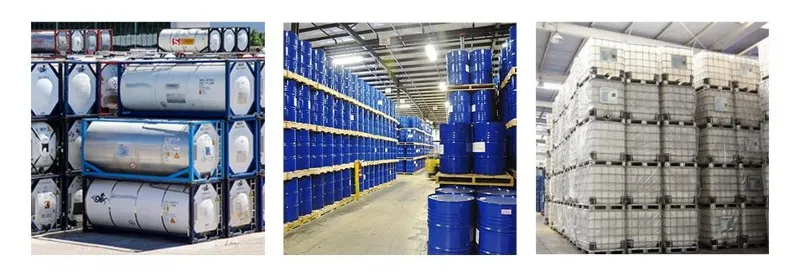
GNEE BIO Product Packaging
| Packaging Type | Net Weight |
|---|---|
| Steel Drum | 250 kg |
| IBC Tank | 1250 kg |
| ISO Tank | Bulk shipment |
Customer Visit
