

Ethylene glycol (CAS 107-21-1) is not banned in the United States. However, given its toxicity if ingested, it is subject to strict regulations regarding certain specific applications.
Current Status of Ethylene Glycol in the U.S.:
1. Industrial Applications (Permitted)
Industrial-grade Monoethylene Glycol (MEG) has widespread applications; its use is legal in automotive antifreeze and coolants, polyester (PET) production, industrial heat transfer fluids, de-icing formulations, and various hydraulic and chemical manufacturing processes. Consequently, within the industrial and manufacturing sectors, the use of ethylene glycol/MEG is entirely legal and constitutes a common commercial commodity.
2. Consumer Safety Regulations (Restricted, but Not Banned)
Given the inherent toxicity of liquid ethylene glycol, U.S. regulations focus on risk mitigation rather than a complete ban:
Antifreeze products typically contain bittering agents (such as denatonium benzoate) to deter accidental ingestion.
Compliance with labeling requirements established by agencies such as the U.S. Consumer Product Safety Commission (CPSC) is mandatory.
Workplace handling and storage operations are regulated by the Occupational Safety and Health Administration (OSHA)-covering safety training, personal protective equipment (PPE), and storage protocols.
3. Environmental Regulations
The disposal of waste ethylene glycol (CAS 107-21-1) must adhere to guidelines established by the U.S. Environmental Protection Agency (EPA).
Compliance with applicable environmental regulations is required in the event of spills or wastewater discharges.
Certain states have established additional, specific requirements regarding its handling and storage.

Why Some Mistakenly Believe It Has Been "Banned"
This misconception arises because ethylene glycol is highly toxic-particularly to pets and humans-and accidental ingestion can lead to severe consequences. Furthermore, within the food and pharmaceutical sectors, there is a growing preference for safer alternatives, such as propylene glycol.
Conclusion
MEG Monoethylene Glycol/Ethylene glycol (CAS 107-21-1) has not been banned in the United States; rather, it is a regulated industrial chemical subject to strict compliance requirements regarding safety, labeling, and environmental protection.
CAS 107-21-1 MEG Raw Material Supplier in China
About us
As a leading manufacturer and exporter of chemical solvent, TIANJIN GNEE BIOTECH CO., LTD. provides high-quality industrial chemicals. We supply to customers across the chemical, pharmaceutical, and materials industries, ensuring consistent quality, reliable logistics, and professional technical support.
Our chemical products hold international certifications (REACH, ISO, FMQS, HALAL) for global quality recognitio. We have warehouses in coreports such as Qingdao, Tianiin, and Shanghai, with a 15-day express delivery service.
Other Hot-Selling Products
| Dimethyl Sulfoxide (DMSO) | CAS 67-68-5 |
| Dichloromethane / Methylene Chloride | CAS 75-09-2 |
| Glacial Acetic Acid / Ethanoic Acid | CAS 64-19-7 |
| Ethyl Acetate / Ethyl Ethanoate | CAS 141-78-6 |
| Ethylene Glycol / Monoethylene Glycol (MEG) | CAS 107-21-1 |
| Trichloroethylene | CAS 79-01-6 |
| Cyclohexanone | CAS 108-94-1 |
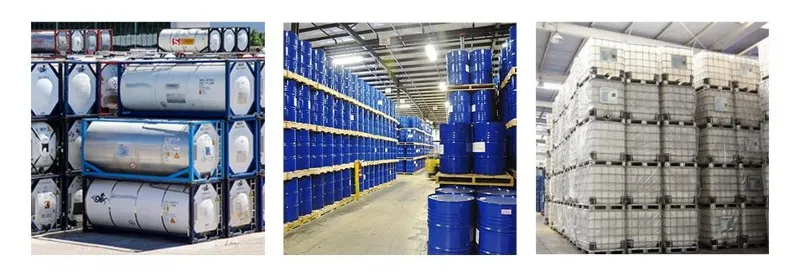
GNEE BIO Product Packaging
| Packaging Type | Net Weight |
|---|---|
| Steel Drum | 250 kg |
| IBC Tank | 1250 kg |
| ISO Tank | Bulk shipment |
Customer Visit
