

DMSO/Dimethyl Sulfoxide is known as a "universal solvent" due to its excellent solubility in most organic and inorganic substances, and is widely used in industrial manufacturing, chemical synthesis, pharmaceuticals, and other fields. Understanding its flammability and potential hazards is crucial for purchasers and relevant operators.
As a professional manufacturer and supplier, GNEE BIO delivers high-quality DMSO solvent (CAS No. 67-68-5) with consistent quality. Get in touch for your customized quote today.
Is DMSO Flammable?
Industrial DMSO liquid is classified as a flammable liquid (GHS Classification 4), not a highly flammable liquid, meaning its risk of immediate ignition is relatively low:
Flammability Parameters:
- Flash Point: The flash point of industrial DMSO is 87°C (188.6°F). Since 87°C is much higher than room temperature (typically 20-25°C), DMSO does not readily release flammable vapors under normal environmental conditions.
- Explosive Limits: The lower explosive limit (LEL) of DMSO is 2.6%, and the upper explosive limit (LEL) is 42% (by volume). Therefore, it can only form an explosive mixture with air when the concentration of DMSO vapor in the air is between 2.6% and 42%.
- Autoignition Temperature: The autoignition temperature of DMSO is approximately 300-301°C (572-573.8°F). At this temperature, liquid DMSO will spontaneously ignite without an external ignition source. However, this temperature is rarely reached under normal industrial operating conditions.
Other situations
Industrial DMSO liquid is stable and non-flammable when stored and handled normally at room temperature and under good ventilation.
However, its flammability risk increases under the following conditions:
- Prolonged exposure to high temperatures (above 87°C).
- When the vapor concentration reaches a flammable level, open flames, sparks, static electricity, or electrical sparks can ignite DMSO volatilization.
- When mixed with flammable substances such as ethanol, benzene, and chloroform.
Is Industrial DMSO liquid Hazardous?
While dimethyl sulfoxide (DMSO) has low acute toxicity, it still presents several specific hazards requiring special attention.
Its primary hazard lies in its extremely high skin permeability. DMSO solvent can rapidly penetrate human skin. It can deliver dissolved chemicals directly into the bloodstream, increasing the risk of exposure to impurities and harmful contaminants.
Furthermore, DMSO liquid poses other potential risks. It may irritate the skin and eyes. Exposure may cause headaches, dizziness, or a peculiar odor. Once absorbed, it produces a strong, garlic-like odor. Additionally, it may react with certain contaminants, further increasing the risk of toxicity.
Safety Precautions When Handling DMSO liquid
1. Avoid inhaling vapors or fumes and prevent direct contact with skin and eyes. All operations should be performed in a well-ventilated area; a chemical fume hood is recommended for routine operations.
2. If DMSO accidentally comes into contact with skin, immediately wash the affected area with plenty of water and soap. Keep this product away from strong oxidizers, concentrated acids, strong alkalis, and alkali metals.
3. DMSO should be transferred and stored using glass or stainless steel tools and containers. Never use plastic containers, as DMSO will corrode and dissolve common plastic materials.
4. After handling, thoroughly clean your hands.
about us
As a leading manufacturer and exporter of chemical solvent, TIANJIN GNEE BIOTECH CO., LTD. provides high-quality industrial chemicals. We supply to customers across the chemical, pharmaceutical, and materials industries, ensuring consistent quality, reliable logistics, and professional technical support.
Our chemical products hold international certifications (REACH, ISO, FMQS, HALAL) for global quality recognitio. We have warehouses in coreports such as Qingdao, Tianiin, and Shanghai, with a 15-day express delivery service.
Other Hot-Selling Products
| Dimethyl Sulfoxide (DMSO) | CAS 67-68-5 |
| Dichloromethane / Methylene Chloride | CAS 75-09-2 |
| Glacial Acetic Acid / Ethanoic Acid | CAS 64-19-7 |
| Ethyl Acetate / Ethyl Ethanoate | CAS 141-78-6 |
| Ethylene Glycol / Monoethylene Glycol (MEG) | CAS 107-21-1 |
| Trichloroethylene | CAS 79-01-6 |
| Cyclohexanone | CAS 108-94-1 |
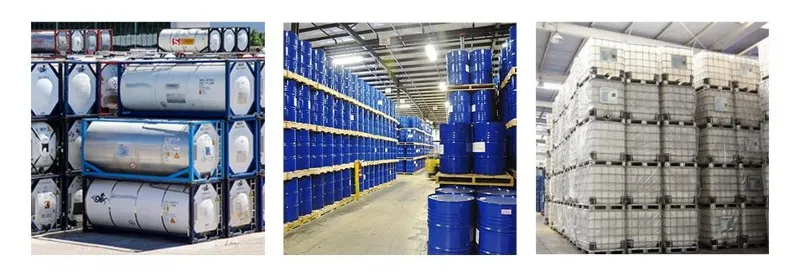
GNEE BIO Product Packaging
| Packaging Type | Net Weight |
|---|---|
| Steel Drum | 250 kg |
| IBC Tank | 1250 kg |
| ISO Tank | Bulk shipment |
Customer Visit
