


CAS 95-47-6 o-xylene is a colorless, flammable aromatic hydrocarbon liquid with the molecular formula C6H4(CH3)2. It is primarily used in the petrochemical industry for the production of phthalic anhydride. o-Xylene is a hazardous chemical that requires strict safety precautions. It is a flammable liquid and vapour (Flash point: ~27–32°C), a skin/eye irritant, and an aspiration hazard.
Is o-Xylene liquid (CAS 95-47-6) Hazardous?
Yes. o-Xylene poses the following risks:
1. Flammability
o-Xylene is a highly flammable liquid and vapor. Its vapor can form an explosive mixture with air and is easily ignited by heat, sparks, or open flames.
2. Health Hazards
- Inhalation: May cause dizziness, headache, and central nervous system symptoms.
- Skin Contact: May cause irritation and dryness.
- Eye Contact: Irritates eyes.
- Long-Term Exposure: May affect the liver, kidneys, or nervous system.
3. Environmental Risks
Release into water bodies will harm aquatic life.
It must not be discharged into drains or soil.
o-Xylene Hazards identification
| Section | Hazard class | Category | Hazard class and category | Hazard statement |
|---|---|---|---|---|
| 2.6 | Flammable liquid | 3 | Flam. Liq. 3 | H226 |
| 3.1D | Acute toxicity (dermal) | 4 | Acute Tox. 4 | H312 |
| 3.1I | Acute toxicity (inhal.) | 4 | Acute Tox. 4 | H332 |
| 3.2 | Skin corrosion/irritation | 2 | Skin Irrit. 2 | H315 |
| 3.3 | Serious eye damage/eye irritation | 2 | Eye Irrit. 2 | H319 |
| 3.8R | Specific target organ toxicity - single exposure (respiratory tract irritation) | 3 | STOT SE 3 | H335 |
| 3.9 | Specific target organ toxicity - repeated exposure | 2 | STOT RE 2 | H373 |
| 3.10 | Aspiration hazard | 1 | Asp. Tox. 1 | H304 |
| Category | Content |
|---|---|
| Signal word | Danger |
| Pictograms |
GHS02 (Flammable), GHS07 (Irritant/Harmful), GHS08 (Health Hazard)
|
| Hazard statements |
H226: Flammable liquid and vapour H304: May be fatal if swallowed and enters airways H312+H332: Harmful in contact with skin or if inhaled H315: Causes skin irritationH319: Causes serious eye irritation H335: May cause respiratory irritation H373: May cause damage to organs (respiratory tract) through prolonged or repeated exposure |

Safe Handling Tips for o-Xylene
1. Use in a well-ventilated area: Always use in a chemical fume hood or with local exhaust ventilation to ensure airborne concentrations are below exposure limits.
2. Wear appropriate personal protective equipment: Wear chemically resistant gloves (nitrile rubber recommended), safety goggles or a face shield. Wear flame-retardant and antistatic clothing.
3. Keep away from sources of ignition: Keep away from heat, sparks, open flames, and hot surfaces. Smoking is prohibited.
4. Prevent electrostatic discharge: Ground containers and equipment during transfer to prevent electrostatic sparks.
5. Avoid contact: Never inhale vapors or mists. Avoid contact with skin and eyes. Clean thoroughly after handling.
What PPE Is Needed When Handling o-Xylene?
The required protective equipment depends on the task, exposure assessment and applicable safety procedures.
- Eye protection: Use appropriate chemical splash goggles where splashing is possible.
- Gloves: Select chemically resistant gloves using the current SDS and glove compatibility data. Do not assume that one glove material is suitable for every contact duration or operating condition.
- Protective clothing: Use suitable protective clothing to prevent skin contact.
- Ventilation: Use effective general or local exhaust ventilation to control vapor exposure.
- Respiratory protection: Where required by the exposure assessment, use a suitable respirator under an appropriate respiratory protection program.
PPE should supplement, not replace, appropriate engineering controls and safe operating procedures.
How Should o-Xylene Be Stored?
Store o-xylene in suitable, tightly closed containers in a designated, well-ventilated area. Keep it away from ignition sources and incompatible materials, including strong oxidizers.
During transfer and loading, follow the applicable grounding and bonding procedures to control static electricity. Storage facilities should have appropriate fire protection, spill-control arrangements and access restrictions.
Follow the current SDS and applicable local regulations for detailed storage requirements.
What Should Be Done If o-Xylene Is Spilled?
If a spill occurs, restrict access to the affected area and follow the site's emergency response plan and the current SDS. Trained personnel should eliminate ignition sources when safe to do so, use appropriate protective equipment and prevent the material from entering drains or waterways.
Do not attempt to clean up a large or uncontrolled spill without the required training and equipment. Contact the designated emergency response team when necessary.
For more information on o-xylene safety or the complete SDS, please contact us!
Sourcing o-Xylene for Industrial Use?
GNEE BIO supports B2B chemical supply and export coordination. Buyers can discuss the required product specification, applicable SDS and COA, packaging options and shipment arrangements with our team.
To help us assess your requirements, please provide the intended application, target specification, order quantity and destination.
Contact GNEE BIO to Discuss o-Xylene Supply and Documentation.
Frequently Asked Questions
Q1. Is o-xylene a hazardous chemical?
A: Yes. O-xylene is a flammable liquid and can pose inhalation, skin-contact, eye-contact and ingestion-related hazards. Refer to the current SDS for the specific product.
Q2. Can o-xylene vapor be harmful?
A: Yes. Exposure to o-xylene vapor may cause irritation, headache, dizziness and other adverse effects depending on concentration and exposure duration. Appropriate ventilation and exposure controls are important.
Q3. What PPE should be used when handling o-xylene?
A: Suitable eye protection, chemically resistant gloves and protective clothing may be required. The specific equipment should be selected according to the current SDS, task and exposure assessment.
Q4. What documents should be checked before importing o-xylene?
A: Buyers should review the applicable SDS and product specification, request a batch COA where applicable, and confirm the required transport and packaging documents for the destination.
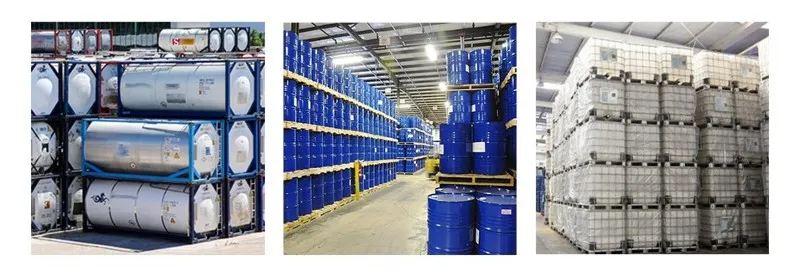
GNEE BIO Product Packaging
| Packaging Type | Net Weight |
|---|---|
| Steel Drum | 250 kg |
| IBC Tank | 1250 kg |
| ISO Tank | Bulk shipment |
Customer Visit
