

Acetonitrile CAS 75-05-8, molecular formula CH₃CN, is the simplest organic nitrile. Other names include Methyl cyanide, methane nitrile, and acetonitrile. It is a colorless liquid organic compound with an aromatic odor similar to ethers. Acetonitrile has a sweet, burnt smell. It is a flammable liquid, extremely dangerous, and must be handled with extreme care. Acetonitrile is soluble in water and also in organic solvents except for saturated hydrocarbons.
Key Properties of acetonitrile CH3CN
| Properties of Acetonitrile ACN CAS 75-05-8 | |
| CAS Number | 75-05-8 |
| Molecular Formula | CH3CN |
| Appearance | Colorless liquid |
| Odor | Sweet, ether-like |
| Purity | 99.9% min |
| Water Content | 0.05% max |
| Acidity (as acetic acid) | 0.01% max |
| Color (APHA) | 10 max |
| Boiling Point | 81.6°C |
| Melting Point | -45.7°C |
| Density (20°C) | 0.786 g/cm³ |
| Flash Point | 2°C |
| Solubility in Water | Miscible |
| Vapor Pressure | 97.6 mmHg at 20°C |

Applications of acetonitrile ACN Solvent
1. HPLC and Analytical Testing
Acetonitrile is an indispensable solvent for analytical chemists, widely used as the primary mobile phase in HPLC labs (pharmaceuticals, environmental, food safety). It dissolves various compounds with minimal UV absorbance, ensuring precise separation and quantification.
2. Pharmaceutical Manufacturing
Acetonitrile acts as both reaction medium and purification solvent in API and intermediate synthesis. It is used in multi-step synthesis, crystallization, extraction, and final product purification.
3. Electronics and Semiconductor Cleaning
With fast evaporation and no residue, acetonitrile is ideal for cleaning delicate electronic components, removing oils, flux residues and contaminants. It is applied in automated cleaning processes for semiconductors, reducing defect rates and improving device reliability, while enabling faster production cycles via rapid drying.
4. Environmental and Food Safety Testing
Acetonitrile is used to extract and analyze contaminants from complex samples (soil, water, food). Its applications include pesticide residue, persistent organic pollutant, pharmaceutical residue, and mycotoxin analysis.
5. Chemical Synthesis and Industrial Processing
Beyond analytical use, acetonitrile is widely used in large-scale chemical manufacturing, serving as solvent for polymer synthesis, reaction medium for specialty chemicals, extractant in petroleum refining, and component in lithium battery electrolytes. It facilitates clean reactions, reduces waste, and optimizing its use (via recovery/recycling) can cut operational costs by 8-10%.
Acetonitrile Organic Solvent CAS 75-05-8
Safety information
Storage and Handling:
Storage: Keep container tightly closed in a dry and well-ventilated place. Keep away from heat, sparks and flame. Flammables area. Incompatible Materials. Strong oxidizing agents. Strong acids. Reducing Agent.
Handling: Wear personal protective equipment/face protection. Make sure there is enough air circulation. Stay away from open flames, hot surfaces and things that can catch fire. Be careful of static electricity. Do not get it in your eyes, on your skin or on your clothes. Don't breathe in mist, vapours or sprays. Make sure you use tools that don't spark and equipment that is explosion-proof. Only use tools that do not spark. To stop vapours being ignited by static electricity, all metal parts of the equipment must be grounded.
The Rising Demand: Why Acetonitrile (CAS 75-05-8) Matters in 2026
In 2026, demand for acetonitrile is projected to increase significantly, primarily due to its irreplaceable role in the pharmaceutical, electronics, and energy storage sectors.
Pharmaceuticals: As a key solvent in the synthesis of active pharmaceutical ingredients (APIs) and high-performance liquid chromatography (HPLC) analysis, acetonitrile supports the development of antibiotics and anticancer drugs, as well as the consistency assessment of generic drugs.
Electronics (Fastest Growing Sector): High-purity acetonitrile is crucial for semiconductor photolithography and wafer cleaning.
Energy Storage and Electric Vehicles: Acetonitrile is used in the production of lithium-ion battery electrolytes. With the increasing prevalence of lithium-ion fuel cells (LiFSI) and the rapid development of electric vehicles, demand is expected to grow further in 2026.
about us
As a leading manufacturer and exporter of chemical solvent, TIANJIN GNEE BIOTECH CO., LTD. provides high-quality industrial chemicals. We supply to customers across the chemical, pharmaceutical, and materials industries, ensuring consistent quality, reliable logistics, and professional technical support.
Our chemical products hold international certifications (REACH, ISO, FMQS, HALAL) for global quality recognitio. We have warehouses in coreports such as Qingdao, Tianiin, and Shanghai, with a 15-day express delivery service.
Other Hot-Selling Products
| Dimethyl Sulfoxide (DMSO) | CAS 67-68-5 |
| Dichloromethane / Methylene Chloride | CAS 75-09-2 |
| Glacial Acetic Acid / Ethanoic Acid | CAS 64-19-7 |
| Ethyl Acetate / Ethyl Ethanoate | CAS 141-78-6 |
| Ethylene Glycol / Monoethylene Glycol (MEG) | CAS 107-21-1 |
| Trichloroethylene | CAS 79-01-6 |
| Cyclohexanone | CAS 108-94-1 |
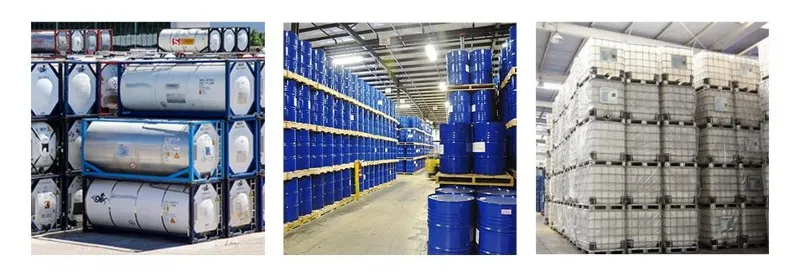
GNEE BIO Product Packaging
| Packaging Type | Net Weight |
|---|---|
| Steel Drum | 250 kg |
| IBC Tank | 1250 kg |
| ISO Tank | Bulk shipment |
Customer Visit
