
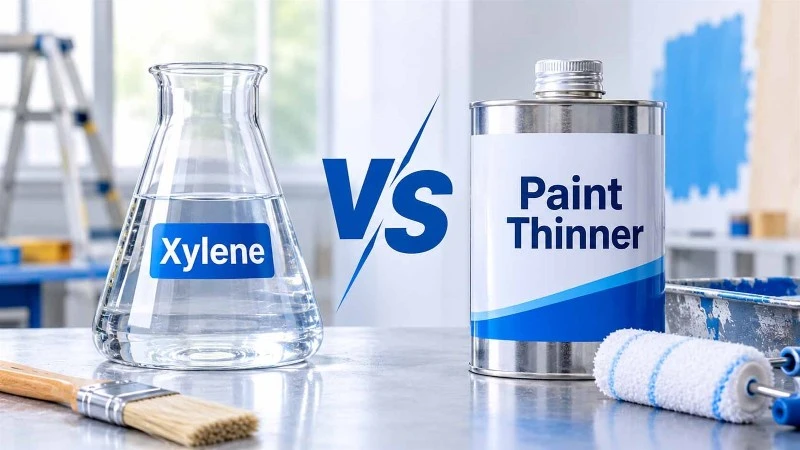
Short answer: Xylene and paint thinner are not necessarily the same product. In the US market, traditional paint thinner commonly refers to mineral spirits (also known as white spirit), a petroleum-based solvent used for thinning oil-based paints and cleaning brushes.
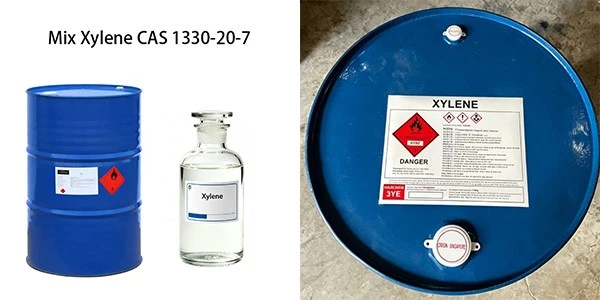
Xylene (mixed xylene, CAS 1330-20-7) is an aromatic hydrocarbon with stronger solvency and faster evaporation than typical mineral spirits. Mineral spirits are generally suitable for conventional oil-based paints and routine brush cleaning, while xylene is used in selected industrial coatings, adhesives and cleaning applications that require stronger solvency. The right choice depends on the coating formulation, required drying speed and product specifications.
First, what do people mean by 'paint thinner'?
The label covers several products, which is the main source of confusion. Mineral spirits (white spirit, Stoddard solvent) is the usual meaning. Lacquer thinner is a different product: a blend of fast-evaporating solvents such as ketones, esters and aromatics, and some blends can contain xylene. Turpentine is a natural solvent distilled from pine. Because 'paint thinner' describes a use rather than a specification, buyers who need repeatable results should name the actual product and its grade.
Xylene vs mineral spirits at a glance
Table 1. Properties of xylene and mineral spirits
| Property | Xylene (mixed isomers) | Mineral spirits (Stoddard solvent) |
|---|---|---|
| Chemical type | Aromatic hydrocarbon | Aliphatic petroleum distillate |
| CAS number | 1330-20-7 | 8052-41-3 / 64475-85-0 (Varies by grade and product specification) |
| Density (20/20 °C) | 0.869 | 0.774 |
| Distillation range | 136–144 °C | 148–216 °C |
| Relative evaporation rate (n-butyl acetate = 1.0) | 0.77 | 0.28 |
| Flash point, closed cup | 31 °C | Above 38 °C |
The values provided above are for reference only; please contact us to obtain the latest TDS and SDS.
What the differences mean in practice
Solvency: Xylene possesses stronger solvency, making it more compatible with binders found in alkyd resins, epoxy esters, chlorinated rubber, and rubber-based products. Mineral spirits, by contrast, have weaker solvency and consist almost entirely of aliphatic hydrocarbons. While sufficient for dissolving many traditional oil-based paints and colorants, they are generally inadequate for harder resins or rubber-based binders, for which xylene or other aromatic hydrocarbon solvents are typically required.
Evaporation and residue: Xylene has a faster relative evaporation rate than the representative mineral spirits grade shown in Table 1 (0.77 compared with 0.28). This means it generally dries faster under comparable conditions. Mineral spirits evaporates more slowly, which can provide a longer working time but may also extend the drying period.
For a closer look at xylene's drying behaviour, see the evaporation rate of mixed xylene compared with other solvents.
Hazard profile. Xylene has the lower flash point (31 °C against above 38 °C) and the stricter exposure limit (see Table 3). Mineral spirits carries its own risk: typical safety data sheets classify it as an aspiration hazard (H304), meaning it can be fatal if swallowed and drawn into the lungs. Neither is a safe solvent without ventilation and ignition-source control.
Odour. Standard mineral spirits has a kerosene-like smell, and low-odour grades are sold for indoor use. Xylene has a sharp aromatic odour and is normally used where ventilation is good.
Which solvent for which job
Table 2. Applications and the better-fit solvent
| Applications | Better fit | Why, and what to watch |
|---|---|---|
| Thinning oil-based house or trim paint, stain or varnish | Mineral spirits | Matches the binder at a gentler strength and slower drying speed. Follow the label. |
| Thinning industrial alkyd enamel, epoxy-ester or chlorinated-rubber paint | Xylene, or a xylene blend | Stronger solvency and faster, controlled evaporation. Use the thinner named on the data sheet. |
| Cleaning brushes and rollers after oil-based paint | Mineral spirits (milder default) | Adequate for most residues, with a higher flash point. Xylene cuts more stubborn residue but needs more care. |
| Degreasing machined parts before painting | Either | Mineral spirits for light oils. Xylene for heavier waxes and tars, and where faster drying matters. |
| Dissolving rubber-based adhesives or removing adhesive residue | Xylene | Aromatic solvency suits rubber-based binders. Test on a hidden area, because xylene can swell rubbers and lift some finishes. |
| Industrial coating systems specifically formulated for aromatic solvents | Xylene | About 2.75 times faster evaporation than mineral spirits. |
Both solvents should be used in adequately ventilated areas. Always follow the SDS and workplace safety requirements.
Looking for a reliable mixed xylene supplier for industrial coatings or cleaning applications? Contact GNEE BIO for product specifications, packaging options and bulk export quotations.
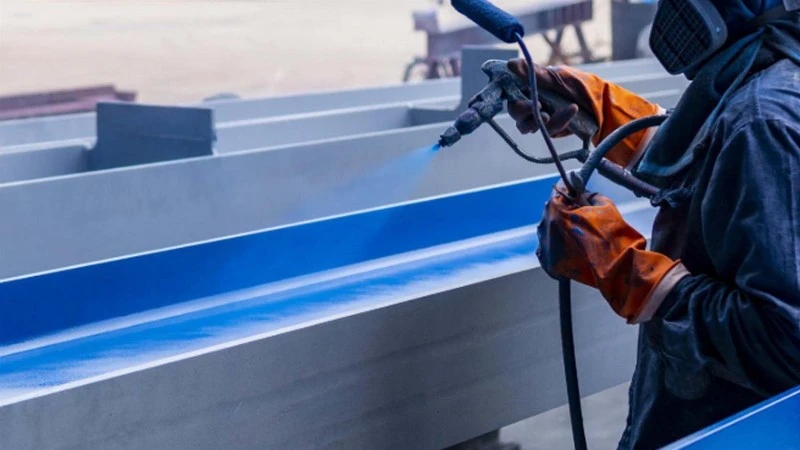
Safety Considerations
Table 3. Safety Considerations
| Item | Xylene (mixed, CAS 1330-20-7) | Mineral spirits (Stoddard solvent) |
|---|---|---|
| Flash point | 31 °C (closed cup) | Above 38 °C; NIOSH lists 39–43 °C |
| OSHA exposure limit, 8-hour average | 100 ppm (435 mg/m³) | 500 ppm (2,900 mg/m³) |
| Typical SDS hazard statements | H226, H312, H332, H315 (harmonised EU classification; check your supplier's SDS) | H226, H304 (aspiration hazard) |
Sources: Indorama Ventures chart; NIOSH Pocket Guide and OSHA chemical data for Stoddard solvent; OSHA and NIOSH data for xylene; SunSirs for xylene prices.
What Should You Check When Buying Mixed Xylene?
Many industrial thinners are blends. Xylene supplies strength and faster controlled drying; mineral spirits brings a higher flash point, a milder odour and a different cost.
If xylene is part of your thinner or cleaning solvent, write the requirements into the purchase order instead of relying on a product name:
- Distillation range and density. They govern drying behaviour and give a quick identity check on arrival.
- Colour. It matters if the solvent goes into light or clear finishes.
- Composition. Ask for the o-, m-, p-xylene and ethylbenzene split if your coating or reporting requires it.
- Batch COA. A certificate for the lot you receive, not a generic data sheet.
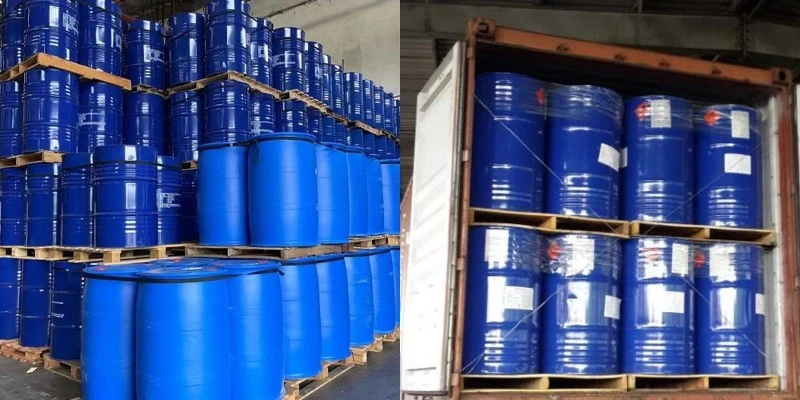
GNEE BIO supplies mixed xylene (CAS 1330-20-7) for industrial and B2B customers. Product specifications, COA, TDS and SDS/MSDS are available to support purchasing and quality verification.
FAQ
Is xylene the same as paint thinner?
No. Paint thinner usually means mineral spirits, an aliphatic petroleum distillate. Xylene is an aromatic hydrocarbon with stronger solvency, faster evaporation and a lower flash point.
Can I use xylene instead of paint thinner?
Xylene can replace mineral spirits in certain applications, but it is not a direct substitute for every paint thinner. Its stronger solvency and faster evaporation can affect coating compatibility, drying time and application performance. Always check the paint manufacturer's TDS before switching solvents.
Which is more hazardous?
Neither solvent should be considered safe without proper handling controls. Xylene generally has a lower flash point, while mineral spirits can also present inhalation and aspiration hazards depending on grade. Check the specific SDS, provide adequate ventilation and control ignition sources when handling either solvent.
About GNEE BIO
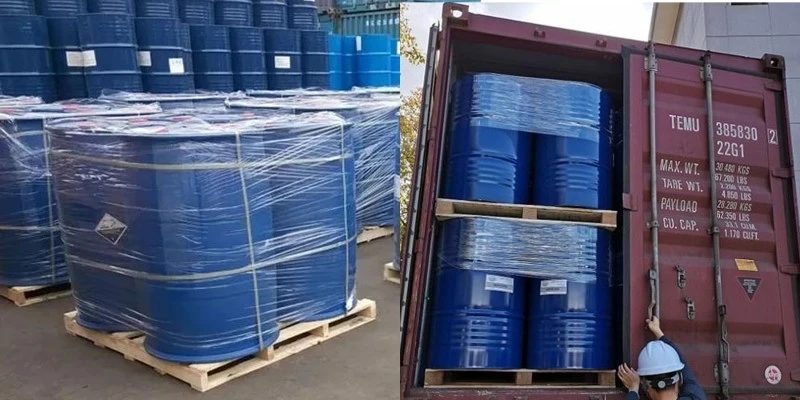
Tianjin Gnee Biotech Co., Ltd. (GNEE BIO), established in 2021, supplies industrial solvents, with a focus on xylene (mixed xylene and o-xylene), to paint, coating, adhesive and ink manufacturers worldwide. Every order can include a COA, TDS and SDS/MSDS, third-party inspection such as SGS is available on request, and supply options include drums, IBC tanks and ISO tanks.
Specifying xylene for thinning, cleaning or production use? See the CAS 1330-20-7 Mixed Xylene for Paints and Coatings product page, or Request a Quote. Email sales@gneebio.com.