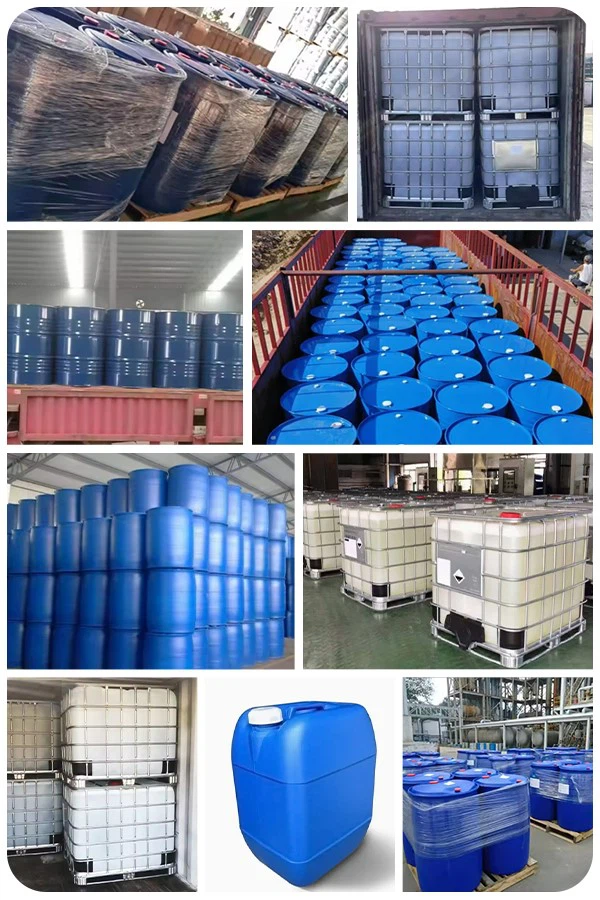
CAS No 79-01-6 Trichloroethylene (TCE) is a colorless, non-flammable liquid widely used as an industrial solvent, degreaser, and chemical intermediate.
Trichloroethene with a molecular formula of C2HCl3 is a transparent, mobile, colourless liquid with an ether-like odour.
- Density -1.46g/cm3
- Molecular weight-131.4 g/mol
- Boiling point- 87.2 C
- Melting point- -73C
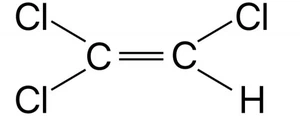
Molecular Structure of TCE chemical
Chemical Formula: C₂HCl₃
Structure: Trichlorinated ethylene
- Two carbon atoms double-bonded (C=C)
- Three chlorine atoms attached to the carbons
key Physical and Chemical Properties of Trichloroethylene TCE
| Molecular Formula | C₂HCl₃ |
| Molecular Weight | 131.39 g/mol |
| Boiling Point | 86.7°C |
| Density | 1.46 g/mL |
| Solubility | Slightly soluble in water, miscible with organic solvents |
| Flash Point | Non-flammable |
| Appearance | Colorless liquid |
The Chemical Reaction of Trichloroethylene
4 C2HCl3+ 9 O2 → 8 CO2 + 2 H2O + 6 Cl2

qualified Trichloroethylene Solvent Suppliers
Applications of Trichloroethylene TCE Solvent
Industrial and Historical Uses
- Metal Degreasing: The primary use (>80%–90%) of Trichloroethylene solvent is for vapor degreasing of metal parts to remove grease, oils, and contaminants in the automotive and aerospace industries.
- Chemical Intermediate: Used as a feedstock in the production of hydrofluorocarbon (HFC) refrigerants, such as HFC-134a.
- Other Uses: Historically TCE is used as an anesthetic, a dry cleaning solvent (spot cleaner), in textile processing, and as an extraction solvent for fats, oils, and caffeine (decaffeination)
Health and Toxicity
Health Risks: Prolonged exposure may affect liver, kidney, and nervous system
Environmental Impact: Can contaminate soil and groundwater; persistent in the environment
Regulations: Controlled in EU, US, and many other regions; mainly industrial use now
Safety & Handling information
Due to its classification by health agencies, Trichloroethylene TCE must be handled with extreme care. The U.S. Environmental Protection Agency (EPA) has identified significant health risks associated with TCE exposure, classifying it as carcinogenic to humans.
- Ventilation is Paramount: Always use TCE solvent in a well-ventilated area, preferably with local exhaust ventilation (LEV) systems to capture vapors at the source.
- Personal Protective Equipment (PPE): Chemical-resistant gloves, splash goggles, and a NIOSH-approved respirator with an organic vapor cartridge are essential.
- Storage and Disposal: Store in a cool, dry, well-ventilated area away from direct sunlight and incompatible materials. Dispose of TCE and contaminated materials as hazardous waste according to all federal, state, and local regulations.
Contact Us:
Email: sales@gneebio.com
Website: https://www.gneebio.com/inquiry
Our company
GNEE BIO is a professional chemical raw materials supplier located in Henan Province, China. We have passed quality system certification and have self-managed import and export rights. Our products are popular with customers. As a leading global supplier, we deliver certified chemical raw materials that comply with REACH, RoHS, ISO and other international standards. Our robust monthly production capacity ensures consistent quality and a reliable supply for bulk orders.