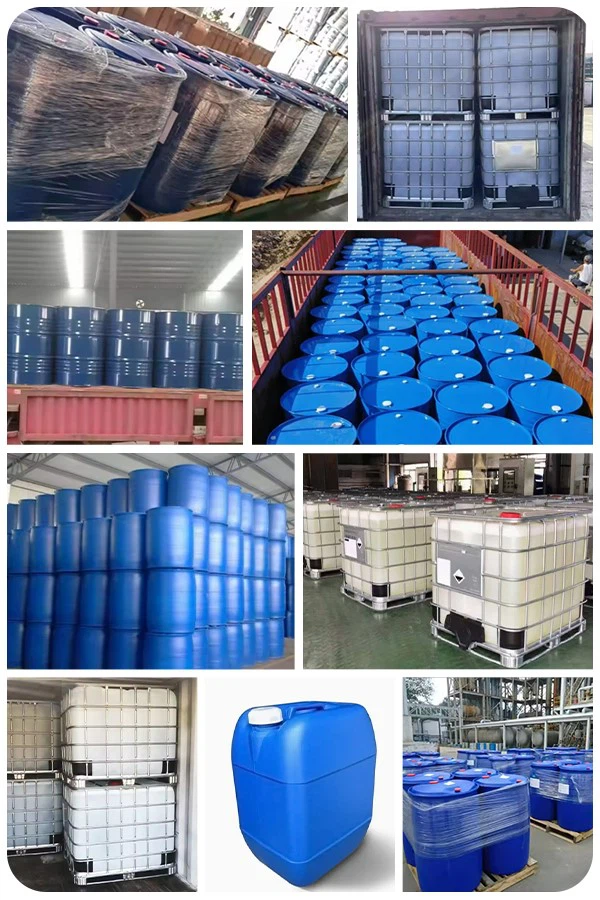
Isopropyl alcohol (IPA), also known as isopropanol or 2-propanol (CAS 67-63-0), it is widely utilized in fields such as electronics cleaning, laboratory operations, pharmaceuticals, and industrial degreasing.
Its extreme flammability is primarily attributed to its low flash point, high vapor pressure, and specific chemical structure. Because its molecules contain a significant number of energy-storing carbon-hydrogen bonds, isopropyl alcohol volatilizes very readily at room temperature, releasing dense, invisible vapors; should these vapors come into contact with even a faint spark, they will instantly ignite.
Isopropanol Basic Information:
Chemical Name: Isopropyl Alcohol
Synonyms: IPA alcohol, IPA, 2-propanol, Isopropanol, Dimethyl carbinol, Rubbing alcohol
Chemical Formula: C₃H₈O or CH₃CHOHCH₃
CAS Number: 67-63-0
Molecular Weight: 60.10 g/mol
Appearance: Colorless liquid with a characteristic odor of rubbing alcohol
Related Article: What is the boiling point and density of isopropyl alcohol (IPA)?

Why is Isopropyl Alcohol Highly Flammable?
Isopropyl alcohol (IPA) is classified as a volatile organic substance. Its chemical formula is C₃H₈O, and its molecular structure consists of a hydrocarbon chain and a hydroxyl functional group.
This unique molecular structure endows it with distinct characteristics: it possesses slight polarity, granting it excellent cleaning capabilities; it evaporates rapidly at room temperature; and it readily generates flammable vapors.
It is not the liquid state of IPA itself that determines its flammability, but rather the vapors it releases. Even in low-temperature environments, this substance continuously emits flammable gases.
Flash Point: The Key Indicator of Combustion Risk
The flash point is defined as the lowest temperature at which a liquid, when exposed to air, releases a sufficient quantity of vapor to ignite.
Flash point of 99% IPA: 12°C.
70% IPA: Due to its water content, its flash point is correspondingly higher.
Precisely because of its low flash point, isopropyl alcohol liquid is extremely easy to ignite at room temperature. According to global hazardous materials classification standards, it is designated as a "Class 2 Highly Flammable Liquid."
Vapor Pressure and Volatility Characteristics
IPA alcohol possesses a high vapor pressure, making it highly prone to transitioning into a gaseous state.
At room temperature, liquid IPA evaporates rapidly. In enclosed or poorly ventilated spaces, gaseous molecules will gradually accumulate. These vapors are denser than air and tend to spread and settle along floors and walls. This creates a significant potential hazard: a flame could ignite IPA vapors located at a distance, even if the liquid IPA itself is not in direct contact with the open fire.
Explosive Concentration Range
Isopropyl alcohol vapor will combust or explode only when mixed with air and present within a specific concentration range.
Its Lower Explosive Limit (LEL) is approximately 2%, while its Upper Explosive Limit (UEL) is 12%.
This means that when the vapor concentration falls below 2%, it cannot sustain combustion; conversely, when the concentration exceeds 12%, it cannot be ignited.
Autoignition Temperature
The autoignition temperature refers to the minimum temperature threshold at which liquid isopropyl alcohol will spontaneously combust in the absence of any external ignition source. The autoignition temperature of IPA is approximately 399°C.
Although this temperature is significantly higher than typical ambient room temperature, the associated risks remain present in practical application scenarios. Hot machinery surfaces, overheating electronic devices, and friction-induced sparks generated during industrial operations can all potentially trigger the autoignition of IPA.
Safety Guidelines
As isopropyl alcohol is a Class 2 highly flammable liquid, strict adherence to all safety regulations is mandatory during its daily use and management.
1. Storage Guidelines
Ensure that storage bottles and drums remain tightly sealed at all times to prevent vapor leakage. Materials should be stored in a cool, well-ventilated warehouse; under no circumstances should they be placed near radiators, welding stations, or oxidizing chemicals.
2. Handling Guidelines
All wiping and dilution operations must be conducted in open or well-ventilated areas. During handling, keep away from lighters, lit cigarettes, and any equipment capable of generating sparks. When pumping large volumes of isopropyl alcohol between tanks, ensure that all associated equipment is properly grounded.
3. On-Site Safety Measures
Install explosion-proof exhaust fans to facilitate the prompt removal of accumulated vapors. In confined or enclosed workspaces, install vapor detectors to monitor gas concentration levels in real time. Furthermore, storage areas must be equipped with fire extinguishers and alarm systems to ensure a rapid response in the event of an emergency.
Key Points
CAS 67-63-0 Isopropanol (IPA) is highly flammable not because its liquid state is inherently dangerous, but because it produces a large amount of low-flash-point vapor, which is easily ignited in air. Its characteristics-including a low flash point, high vapor pressure, broad flammability range, and rapid evaporation rate-make it one of the most widely utilized industrial solvents, while simultaneously necessitating strict regulatory oversight.
Conclusion
The flammability of isopropyl alcohol stems directly from its physicochemical properties. Understanding its flash point, vapor characteristics, and ignition conditions is crucial for its safe use in fields such as laboratory work, electronics manufacturing, pharmaceuticals, and industrial cleaning.
As a professional supplier, GNEE BIO provides high quality Isopropyl alcohol liquid CAS 67-63-0. Inquiry now for your personalized pricing.
Contact Us:
Email: sales@gneebio.com
Website: https://www.gneebio.com/inquiry
Our company
TIANJIN GNEE BIOTECH CO., LTD. is a professional chemical raw materials supplier. We have passed quality system certification and have self-managed import and export rights. Our products are popular with customers. As a leading global supplier, we deliver certified chemical raw materials that comply with REACH, RoHS, ISO and other international standards. Our robust monthly production capacity ensures consistent quality and a reliable supply for bulk orders.