The purity grade of isopropanol CAS 67-63-0, actually refers to the ratio between pure IPA and purified water. The effectiveness of these different concentrations varies significantly. Specifically, 70% IPA is best suited for disinfecting surfaces, while 91% and 99% IPA are more appropriate for technical applications and precision cleaning.
What Is Isopropyl Alcohol (IPA)?
CAS No.: 67-63-0 Isopropyl Alcohol, also known as isopropanol or 2-propanol, is a colorless, fast-evaporating liquid with strong cleaning and disinfecting properties. is one of the most versatile disinfectants and solvents used across healthcare, laboratory, industrial, and household settings. However, choosing the wrong concentration can significantly impact effectiveness, safety, and cost-efficiency.

Basic Information
| Chemical Name | Isopropyl Alcohol |
| CAS Number | 67-63-0 |
| Molecular Formula | C3H8O |
| Appearance | Colorless liquid |
| Odor | Alcohol-like |
| Solubility | Completely miscible with water |
Read IPA Alcohol CAS 67-63-0 Properties Explained
Understanding IPA Purity Levels
The percentage of IPA refers to the mixing ratio of pure isopropyl alcohol to water.
For example:
- 70% IPA = 70% Isopropyl Alcohol + 30% Water
- 91% IPA = 91% Isopropyl Alcohol + 9% Water
- 99% IPA = 99% Isopropyl Alcohol + 1% Water
The water content significantly affects its evaporation rate, disinfecting efficacy, and performance in industrial applications.
Why Concentration Matters?
The concentration of isopropyl alcohol fundamentally determines its:
- Antimicrobial efficacy – ability to denature proteins and disrupt cell membranes
- Evaporation rate – contact time with surfaces
- Material compatibility – interaction with plastics, electronics, and surfaces
- Safety profile – flammability and handling requirements
Related Article: When to Use 70% or 99% IPA
70% IPA (USP Grade) : For Hand or Surface Disinfection
Composition: A blend of 70% Isopropyl Alcohol and 30% Purified Water, meeting USP and NF standards.
1. Advantages
Exhibits potent bactericidal, virucidal, and fungicidal activity.
Its moderate evaporation rate ensures a longer contact time, thereby achieving superior disinfection results.
Approved for use in routine medical disinfection procedures.
Features a relatively high flash point, making it less flammable and safer to handle.
Highly cost-effective, making it suitable for large-scale and routine applications.
Gentle formulation that causes no significant skin irritation, even with frequent use.
2. Disadvantages
High water content may damage sensitive electronic components.
Dries relatively slowly.
Prone to leaving faint water marks on smooth surfaces.
Unsuitable for use on laboratory equipment that is sensitive to moisture.
May cause metal corrosion if not allowed to dry completely.
3. Applications of 70% Isopropyl Alcohol
Surface disinfection in healthcare settings; cleaning of common medical instruments; laboratory countertop decontamination; sanitization of food-contact surfaces; skin disinfection; and general household hygiene and cleaning.
91% IPA (Technical Grade) for Electronics cleaning
Composition: 91% isopropyl alcohol plus 9% purified water
1. Advantages
Evaporates faster than 70% Isopropanol, resulting in higher operational efficiency
Ideal for cleaning a wide variety of electronic products and components
Possesses strong solvency, effectively removing oil stains, grease, and stubborn adhesive residues
Retains reliable basic disinfection capabilities
Features low water content, minimizing the risk of damage caused by material expansion
Balanced concentration ratio meets the majority of daily industrial cleaning requirements
2. Disadvantages
Germicidal efficacy is slightly lower compared to the 70% concentration version
Requires a longer contact time to eliminate certain harmful pathogens
Higher flammability rating
Rapid evaporation may potentially diminish its disinfection effectiveness
Still contains trace amounts of moisture; therefore, it is not suitable for use on ultra-precision equipment
3. Application Areas for 91% Isopropyl Alcohol
Electronic device maintenance and repair, degreasing of industrial metal components, optical lens cleaning, automotive interior care, removal of ink and adhesive residues, and light-duty cleaning of laboratory equipment
99% Anhydrous IPA - For Lab Use, Dilution, or Moisture-Sensitive Applications
Composition: Isopropyl alcohol with a purity exceeding 99%; water content is less than 1%.
1. Advantages
Virtually free of moisture, making it absolutely safe for use on all water-sensitive items.
Boasts the fastest evaporation rate among all common concentrations.
Possesses extremely high purity, capable of meeting rigorous, high-standard cleaning requirements.
Highly suitable for drying out moisture-damaged electronic devices and precision optical components.
Offers strong solvency, effectively removing stubborn dirt and grime.
Can be freely diluted as needed to formulate solutions of other desired concentrations.
2. Disadvantages
Due to its extremely rapid evaporation rate, its disinfecting efficacy is relatively weaker.
Highly flammable; requires strict adherence to specific storage conditions.
Higher procurement cost compared to lower-concentration Isopropyl Alcohol (IPA) solutions.
Extremely prone to absorbing moisture from the surrounding air.
May potentially cause damage to certain plastic and rubber materials.
3. Applications of 99% Isopropyl Alcohol
Cleaning in PCB and semiconductor manufacturing; cleanroom operations; maintenance of high-precision optical instruments; repair of moisture-damaged electronic devices; high-standard cleaning in the pharmaceutical industry; removal of 3D printing residues; and professional solution formulation.
70% vs 91% vs 99% IPA: Comparison Table
| Feature | 70% IPA | 91% IPA | 99% IPA |
|---|---|---|---|
| Water Content | High | Medium | Very Low |
| Evaporation Speed | Slow | Moderate | Fast |
| Disinfection Ability | Excellent | Good | Moderate |
| Residue Risk | Slight | Very Low | Minimal |
| Electronics Safety | Limited | Good | Excellent |
| Solvent Strength | Moderate | Strong | Very Strong |
| Flammability | Lower | Higher | Highest |
Bacterial Efficacy (Log Reduction at 30 seconds contact time)
| Organism | 70% IPA | 91% IPA | 99% IPA |
|---|---|---|---|
| Staphylococcus aureus (MRSA) | >6 log (>99.9999%) | >5 log (>99.999%) | >4 log (>99.99%)* |
| Escherichia coli | >6 log (>99.9999%) | >5 log (>99.999%) | >4 log (>99.99%)* |
| Pseudomonas aeruginosa | >5 log (>99.999%) | >4 log (>99.99%) | >3 log (>99.9%)* |
| Mycobacterium tuberculosis | >3 log (>99.9%) | >2 log (>99%) | >2 log (>99%)* |
- Research Finding: According to a 2021 study in the Journal of Infectious Diseases, 70% IPA demonstrated >99.9% inactivation of enveloped viruses (including Influenza A, Coronavirus, and HSV) within 30 seconds. Higher concentrations showed similar efficacy but required longer contact times or repeated applications.
Conclusion
Understanding the differences between 70%, 91%, and 99% concentrations of isopropyl alcohol (IPA) helps ensure superior performance, safety, and cost-effectiveness in industrial and commercial applications. Selecting the appropriate IPA purity grade should be based on your specific cleaning, disinfection, or manufacturing requirements.
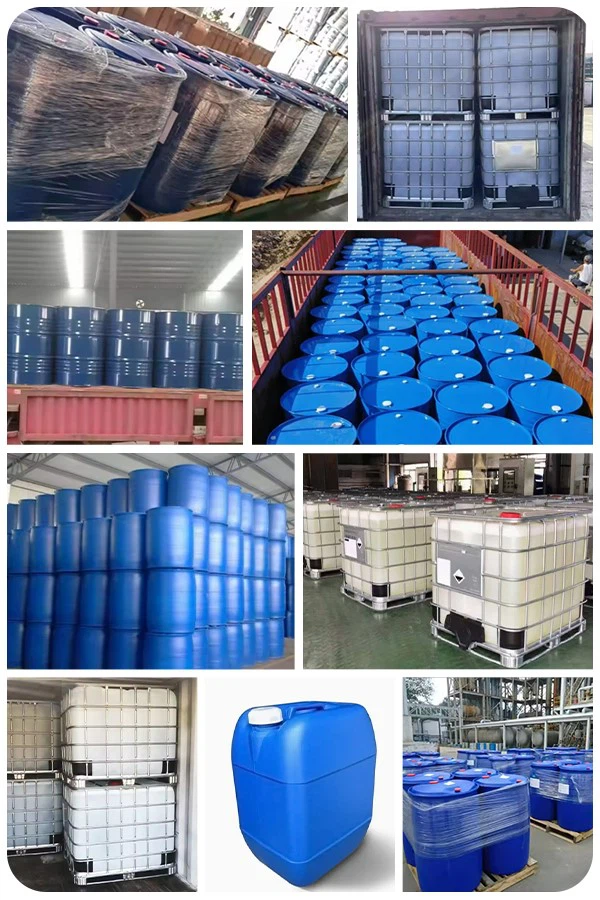
As a professional supplier, GNEE BIO provides high quality Isopropyl alcohol liquid CAS 67-63-0. Inquiry now for your personalized pricing.
FAQ
Q: Is "rubbing alcohol" the same as isopropyl alcohol?
Q: Can I use 99% IPA for surface disinfection instead of 70%?
Q: How do I dilute 91% IPA to 70%?
Q: What's the shelf life of isopropyl alcohol liquid?
Q: How does IPA compare to hydrogen peroxide for disinfection?
Contact Us:
Email: sales@gneebio.com
Website: https://www.gneebio.com/inquiry
Our company
TIANJIN GNEE BIOTECH CO., LTD. is a professional chemical raw materials supplier. We have passed quality system certification and have self-managed import and export rights. Our products are popular with customers. As a leading global supplier, we deliver certified chemical raw materials that comply with REACH, RoHS, ISO and other international standards. Our robust monthly production capacity ensures consistent quality and a reliable supply for bulk orders.