
Quick Answer
Monoethylene Glycol (MEG) and Diethylene Glycol (DEG) are both ethylene glycol derivatives widely used in industrial applications. The main difference is their molecular structure, performance, and end uses.
MEG has a lower molecular weight, lower viscosity, and better heat transfer performance, making it the preferred choice for polyester production, antifreeze, and cooling systems.
DEG has a higher boiling point, higher viscosity, and stronger solvency, making it more suitable for plasticizers, solvents, resins, and specialty chemical applications.
Monoethylene glycol (MEG), diethylene glycol (DEG) are both members of the glycol family, but they have distinct chemical properties, structures, and applications that make them suitable for different uses. Understanding the differences between these compounds is essential for industries such as petrochemicals, automotive, pharmaceuticals, and more.
MEG/DEG Basic Definition
Monoethylene glycol (MEG) and diethylene glycol (DEG) are both ethylene glycol products derived from the hydration of ethylene oxide; however, they differ in molecular chain length-a distinction that fundamentally alters their physical properties, thermal stability, hygroscopicity, and industrial applicability.
Monoethylene Glycol
MEG is the simplest diol, with the chemical formula C₂H₆O₂. Its two carbon atoms are bonded to hydroxyl groups, classifying it as an alkaline alcohol compound. It is colorless, odorless, and hygroscopic. With a low molecular weight of 62.07 g/mol, it is highly soluble in water and commonly used as a solvent and antifreeze agent.
Diethylene Glycol
DEG has a more complex structure than MEG, with the chemical formula C₄H₁₀O₃. Its two ethylene glycol units are linked by an ether bond, forming a polymeric compound with a molecular weight of 106.12 g/mol. Like monoethylene glycol, it is colorless, odorless, and highly hygroscopic, but possesses a higher boiling point and viscosity, making it suitable for diverse industrial applications.
MEG vs DEG: Properties Differences
| Feature | MEG (Monoethylene Glycol) | DEG (Diethylene Glycol) |
|---|---|---|
| Chemical Formula | C₂H₆O₂ | C₄H₁₀O₃ |
| CAS Number | 107-21-1 | 111-46-6 |
| Molecular Weight | 62.07 g/mol | 106.12 g/mol |
| Appearance | Colorless, odorless liquid | Colorless, slightly viscous liquid |
| Boiling Point | 197 °C | 245 °C |
| Freezing Point | -12.9 °C | -6 °C |
| Viscosity (20 °C) | ~21 cP | ~32 cP |
| Solubility | Completely miscible with water | Completely miscible with water |
| Toxicity | Moderate; ingestion can be harmful | Higher toxicity; ingestion can be dangerous |
| Common Uses | - PET & polyester production- Automotive antifreeze- Heat transfer fluids | - Plasticizers- Solvents in paints and resins- Humectants in cosmetics (limited) |
| Cost | Generally cheaper than DEG | Slightly more expensive due to lower demand and specialty uses |
Industrial Applications of MEG and DEG
Main Uses of MEG
- Polyester fiber and PET resin manufacturing: Monoethylene Glycol is a key raw material for PET production, widely used in textile fibers, plastic bottles, and films. High-purity polymer-grade MEG is required for consistent product quality.
- Automotive antifreeze and aircraft deicing fluids: Mono ethylene glycol lowers freezing points and improves thermal stability in coolant and deicing formulations.
- Industrial heat transfer systems: MEG-water solutions are widely used in closed-loop cooling and heating systems due to their freeze protection, thermal stability, and circulation performance.
- Hydraulic fluids and industrial solvents: It is used in brake fluids and selected water-based industrial formulations.
Main Uses of DEG
- Printing inks, adhesives, and coatings: Diethylene Glycol works as a high-boiling, slow-evaporating solvent that improves flow and processing performance.
- Plasticizers and polymer production: DEG is used in plasticizer manufacturing and polyester/polyurethane-related formulations to improve flexibility.
- Textile auxiliaries and industrial formulations: Diethylene glycol is used in textile processing agents, brake fluids, and specialty chemical formulations.
- Restricted cosmetic applications: It has limited historical use as a humectant, but its application in cosmetics is highly restricted due to safety considerations.
How to Select the Right Glycol for Your Project?
Pick MEG when:
- Manufacturing PET, polyester fabrics & plastic bottles
- Making affordable automotive antifreeze or fast heat transfer fluid
- Large-scale production with tight budget control
- Working temperature below 200°C
Pick DEG when:
- Producing slow-evaporating ink, coatings and adhesives
- Synthesizing plasticizers, PU materials & textile softeners
- Not for antifreeze, food or drinking water (high toxicity)
Safety Considerations
Both MEG and DEG are industrial chemicals that require proper handling.
- Avoid ingestion and direct contact.
- Store in sealed containers in a cool, dry area.
- Follow SDS/MSDS recommendations.
- Use appropriate personal protective equipment during handling.
- DEG requires particular attention because ingestion can cause serious health risks.
Contact us to obtain the full SDS.
Conclusion
Monoethylene Glycol and Diethylene Glycol are closely related glycol chemicals but serve different industrial purposes. MEG is mainly valued for its excellent heat transfer properties and is widely used in PET production and antifreeze applications. DEG provides stronger solvency, higher viscosity, and higher boiling performance, making it suitable for solvents, plasticizers, and specialty chemical applications.
Understanding the differences between MEG and DEG helps manufacturers select the right glycol product for their specific production requirements.
Why Choose gneebio?
The customer comes first. We provide high-quality products at reasonable prices and ensure prompt shipment.
We can send the goods directly to your delivery address, which is relatively safe and fast. We have goods ready in stock.
We respond quickly and clearly to customers' questions. We provide a warm after-sales service and will help you solve any problems you encounter.
We deliver exceptional quality and service at competitive prices.
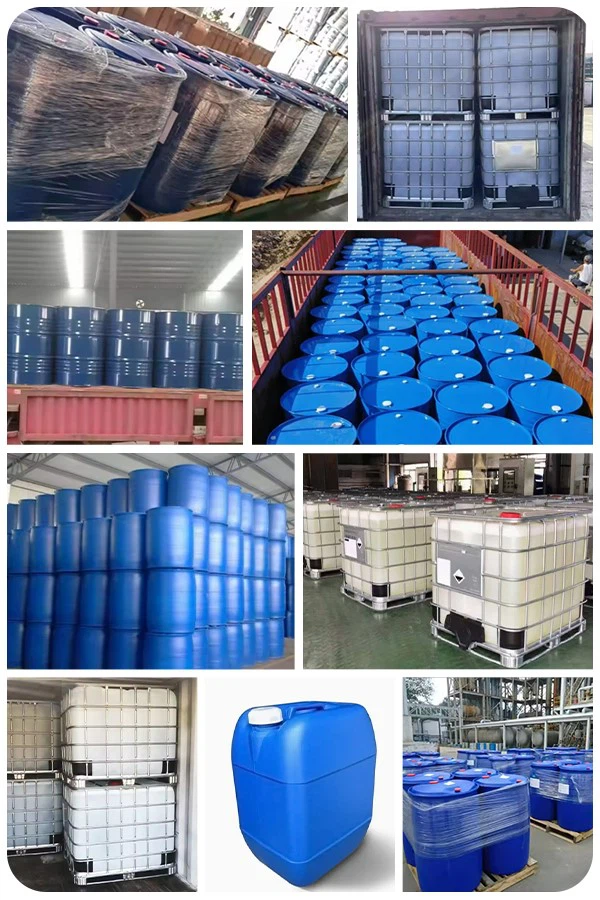
qualified mEG/DEG chemical Suppliers
Frequently Asked Questions (FAQ)
Q1: Can DEG replace MEG for vehicle antifreeze?
A: Not recommended and forbidden in most regions. DEG has higher toxicity, accidental leakage or mistaken drinking will lead to irreversible kidney damage, only MEG is approved for automotive coolant.
Q2: What's the price order of MEG, DEG?
A: MEG < DEG. Monoethylene glycol mass production leads to the lowest unit cost; TEG belongs to special chemical with limited output, so higher market price.
Q3: What documents can you provide for export customs?
A: We supply full set certification: SDS safety data sheet, COA quality inspection report, REACH registration file, commercial invoice, packing list,
customs clearance support.
Q4: How long can glycol be stored after opening the drum?
A: Tightly sealed storage within 6 months; open containers absorb water quickly, purity will decline, affecting downstream production quality.
Q5: Are MEG and DEG water soluble?
Yes. Both MEG and DEG are completely miscible with water.
Q6: What documents should I request when buying MEG or DEG?
Industrial buyers usually request:
- COA (Certificate of Analysis)
- SDS/MSDS
- Technical Data Sheet (TDS)
- Product specification sheet
Contact Us:
Email: sales@gneebio.com
Website: https://www.gneebio.com/inquiry
Our company
GNEE BIO is a professional chemical raw materials supplier located in Henan Province, China. We have passed quality system certification and have self-managed import and export rights. Our products are popular with customers. As a leading global supplier, we deliver certified chemical raw materials that comply with REACH, RoHS, ISO and other international standards. Our robust monthly production capacity ensures consistent quality and a reliable supply for bulk orders.