CAS 75-09-2 Dichloromethane (DCM), also known as Methylene Chloride, is a high-performance chlorinated solvent widely used in pharmaceutical manufacturing, chemical synthesis, paint stripping, metal cleaning, adhesives, coatings, and electronics production.
With excellent solvency, rapid evaporation, low boiling point, and strong cleaning performance, DCM remains one of the most important industrial solvents worldwide.
What is Dichloromethane (DCM) CAS 75-09-2?
Dichloromethane DCM, also known as methylene chloride is a colorless, volatile liquid with a mild sweet odor. It exhibits excellent dissolution properties for oils, resins, waxes, polymers, and various organic compounds.
what are the Properties of dichloromethane chemical
| Property | Specification |
| Chemical Name | Dichloromethane (DCM) |
| Synonym | Methylene Chloride |
| CAS No. | 75-09-2 |
| Molecular Formula | CH₂Cl₂ |
| Molecular Weight | 84.93 g/mol |
| Density | 1.325 g/cm³ |
| Melting Point | -97.4°C |
| Boiling Point | 39.6°C |
| Purity | ≥99% |
| HS Code | 29031200 |
| UN Number | UN1593 |


What Are the Main Applications of DCM solvent?
Dichloromethane chemical is a versatile industrial solvent widely used across pharmaceutical manufacturing, chemical processing, paints and coatings, electronics cleaning, metal degreasing, and laboratory research.
Pharmaceutical Industry
Methylene chloride is used as a reaction solvent and extraction solvent in pharmaceutical manufacturing because it dissolves a wide range of organic intermediates, has low boiling point (39.6°C), and can be removed efficiently during solvent recovery and drying processes.
Typical applications include:
- API synthesis as a reaction medium for organic reactions
- Extraction and purification of pharmaceutical intermediates
- Antibiotic production involving solvent-based separation steps
- Vitamin manufacturing processes requiring organic solvent extraction
- Peptide synthesis and downstream purification operations
Paints, Coatings and Adhesives
Industrial DCM Dichloromethane is used in coatings and adhesive formulations because it dissolves resins such as acrylics, polyurethanes, and cellulose derivatives, while its rapid evaporation supports fast film formation and drying.
Common applications include:
- Paint removers that penetrate and dissolve coating layers
- Resin dissolution during coating formulation
- Production of industrial coatings and specialty finishes
- Solvent-based adhesive manufacturing
- Sealants and bonding compounds requiring controlled viscosity
Electronics and Precision Cleaning
High-purity DCM liquid is used for precision cleaning because it dissolves oils, flux residues, greases, and organic contaminants while evaporating completely without leaving solid residues on component surfaces.
Typical uses include:
- Printed circuit board (PCB) cleaning after soldering processes
- Semiconductor component cleaning before assembly
- Removal of processing residues from electronic assemblies
- Cleaning of optical lenses and precision instruments
Chemical Manufacturing
Dichloromethane serves as a process solvent in chemical production because it provides good solubility for many organic compounds, exhibits low reactivity under controlled conditions, and enables efficient phase separation during extraction.
Applications include:
- Polymer and resin manufacturing processes
- Agrochemical synthesis and formulation
- Fine chemical and specialty chemical production
- Liquid-liquid extraction and product recovery
- Reaction media for chlorination, alkylation, and other organic synthesis steps
Metal Cleaning & Degreasing
Methylene chloride (CAS 75-09-2) is used for metal cleaning because it dissolves lubricants, machining oils, waxes, and greases that accumulate during manufacturing and maintenance operations.
Commonly used in:
- Aerospace component cleaning before inspection or coating
- Automotive parts degreasing during production and repair
- Industrial machinery maintenance and refurbishment
- Surface preparation prior to plating, painting, or bonding
Laboratory & Research Applications
DCM solvent is widely used in laboratories because it is immiscible with water, dissolves many organic compounds, and can be removed easily by rotary evaporation due to its low boiling point.
Applications include:
- Liquid-liquid extraction of organic compounds
- Column chromatography and sample purification
- Sample preparation for analytical testing
- Research and development in organic chemistry
- Organic synthesis and reaction optimization studies
Safety and Handling information
CAS No.75-09-2 Dichloromethane is a volatile chlorinated solvent; applicable chemical safety regulations must be observed during handling. To minimize exposure risks, ensure proper storage, maintain good ventilation, and use appropriate personal protective equipment (PPE).
Safety Precautions
- Use only in well-ventilated areas or areas equipped with appropriate local exhaust systems.
- Avoid inhaling vapors and prolonged exposure to high concentrations.
- Wear appropriate PPE, including chemical-resistant gloves, protective clothing, and safety goggles.
- Avoid prolonged or repeated skin contact to prevent irritation or dryness.
- Keep containers tightly sealed when not in use to minimize solvent evaporation and contamination.
- Store in a cool, dry, well-ventilated warehouse, away from heat sources and incompatible substances.
- Adhere to local regulations and workplace safety protocols regarding the handling of chlorinated solvents.
Storage and Transport
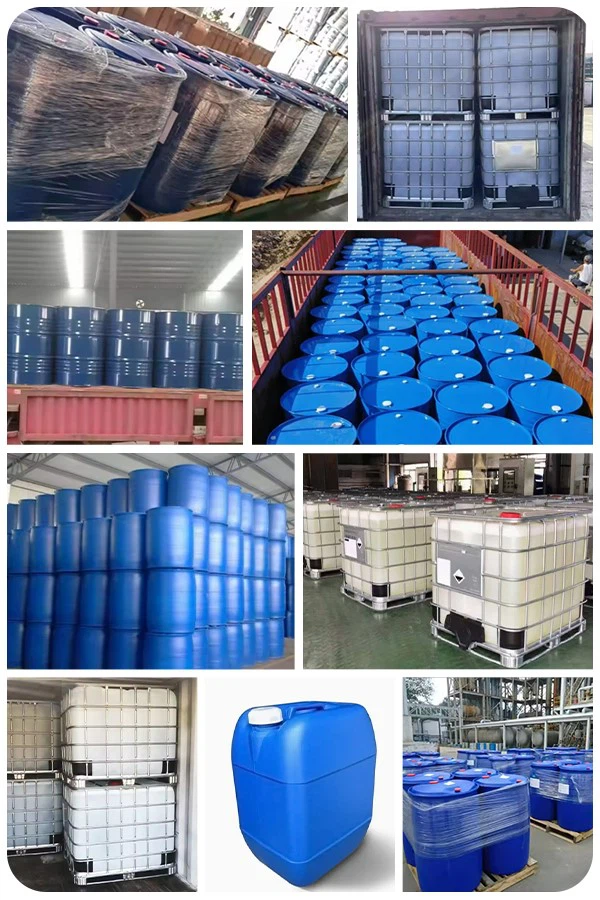
DCM should be transported and stored in certified containers designed for industrial chemicals. Packaging and transport must comply with applicable international transport regulations and specific customer requirements.
SDS and Technical Documentation
Before handling or using dichloromethane, users should carefully review the latest Safety Data Sheet (SDS/MSDS), Technical Data Sheet (TDS), and product specifications to ensure safe handling and regulatory compliance.
Note: Safety requirements may vary by country, industry, and application. Always comply with local environmental, health, and safety regulations.
Frequently Asked Questions (FAQ)
Q: What is methylene chloride used for?
A: Methylene chloride (dichloromethane, DCM) is a versatile chlorinated solvent widely used in paint stripping, pharmaceutical manufacturing, chemical processing, metal cleaning, adhesive production, and electronics cleaning. Its excellent solvency and fast evaporation rate make it a preferred choice across many industrial applications.
Q: What are the physical and chemical properties of dichloromethane (DCM)?
A: Dichloromethane is a colorless, volatile liquid with a mild sweet odor. It has a molecular formula of CH₂Cl₂, a boiling point of approximately 39.6°C, and excellent solvency for a wide range of organic compounds. These properties make it valuable in extraction, cleaning, and formulation processes.
Q: Is methylene chloride the same as dichloromethane?
A: Yes. Methylene chloride and dichloromethane (DCM) are two names for the same chemical compound with the molecular formula CH₂Cl₂. "Dichloromethane" is the IUPAC name, while "methylene chloride" is the common industrial name.
Q: Is methylene chloride soluble in water?
A: Methylene chloride has limited solubility in water but mixes well with many organic solvents. This characteristic makes it valuable for extraction, cleaning, and formulation processes.
Q: What is the HS Code and UN Number for methylene chloride?
A: The HS Code for methylene chloride is 29031200, and the UN Number is UN1593. These identifiers are commonly used for product classification, transportation, and regulatory documentation.
Q: How should methylene chloride be stored?
A: Methylene chloride should be stored in tightly sealed containers in a cool, dry, and well-ventilated area away from heat sources, open flames, and incompatible materials. Proper storage helps maintain product quality and safety.
Q: What safety precautions should be followed when handling DCM?
A: When handling dichloromethane, appropriate personal protective equipment (PPE) such as gloves, safety goggles, and protective clothing should be used. Adequate ventilation is recommended to minimize exposure to vapors and ensure safe operation.
Get Sample, COA & SDS
Contact Us:
Email: sales@gneebio.com
Website: https://www.gneebio.com/inquiry
Our company
GNEE BIO is a professional chemical raw materials supplier located in Henan Province, China. We have passed quality system certification and have self-managed import and export rights. Our products are popular with customers. As a leading global supplier, we deliver certified chemical raw materials that comply with REACH, RoHS, ISO and other international standards. Our robust monthly production capacity ensures consistent quality and a reliable supply for bulk orders.