Although both dichloromethane (DCM) and acetone are widely used in the coatings, manufacturing, and maintenance industries, they differ significantly when used as paint strippers. This article will compare their effectiveness, application scenarios, and safety information to help buyers and professionals make informed decisions.
What Is Methylene Chloride?
CAS 75-09-2 Methylene Chloride (dichloromethane or DCM) is a colorless, volatile liquid with a sweet odor, widely used as a powerful industrial solvent and chemical stripper. Formula CH2CI2, it is used for paint removers, aerosol propellants, and manufacturing.
What Is Acetone?
Acetone is a colorless, highly volatile, and flammable liquid with a distinct sweet, pungent odor. It is a powerful organic solvent, commonly used to dissolve substances like plastics, resins, paints, and adhesives.
Methylene Chloride (DCM) vs Acetone: Properties differences
| Property | Methylene Chloride (DCM) | Acetone |
|---|---|---|
| Chemical Name | Dichloromethane | Acetone (Propanone) |
| CAS Number | 75-09-2 | 67-64-1 |
| Molecular Formula | CH₂Cl₂ | C₃H₆O |
| Molecular Weight | 84.93 g/mol | 58.08 g/mol |
| Appearance | Colorless liquid | Colorless liquid |
| Odor | Mild, sweet | Strong, pungent |
| Polarity | Moderately polar | Polar |
| Boiling Point | 39.6°C | 56.0°C |
| Density | 1.33 g/cm³ (heavier than water) | 0.79 g/cm³ (lighter than water) |
| Solubility in Water | Slightly soluble | Completely miscible |
| Evaporation Rate | Fast | Very fast |
| Flash Point | Non-flammable | -20°C (highly flammable) |
| Flammability | Non-flammable | Highly flammable |
| Solvent Strength | Very strong | Moderate |
| Paint Removal Ability | Excellent (heavy-duty coatings) | Limited (light coatings) |
| Industrial Applications | Paint stripping, pharmaceuticals, extraction | Cleaning, degreasing, coatings |
| Toxicity | Higher (requires strict handling) | Lower (but still requires care) |
| Environmental Impact | Regulated in many countries | More environmentally acceptable |
Which One Is Better for Paint Removal?
| Factor | Methylene Chloride | Acetone |
|---|---|---|
| Stripping Speed | Very fast (5-30 mins) | Slower (may require multiple applications) |
| Paint Types Removed | Epoxies, polyurethanes, industrial coatings | Latex, nail polish, some oil-based paints |
| Multi-Layer Paint Removal | Excellent | Poor |
| Residue Left Behind | Minimal | May require additional wiping |
Dichloromethane/Methylene Chloride:
- Heavy-duty stripping (e.g., furniture restoration, automotive refinishing).
- Thick, cured paint layers.
Acetone:
- Small touch-ups (e.g., brush cleaning, spot removal).
- Non-industrial applications (e.g., DIY projects).
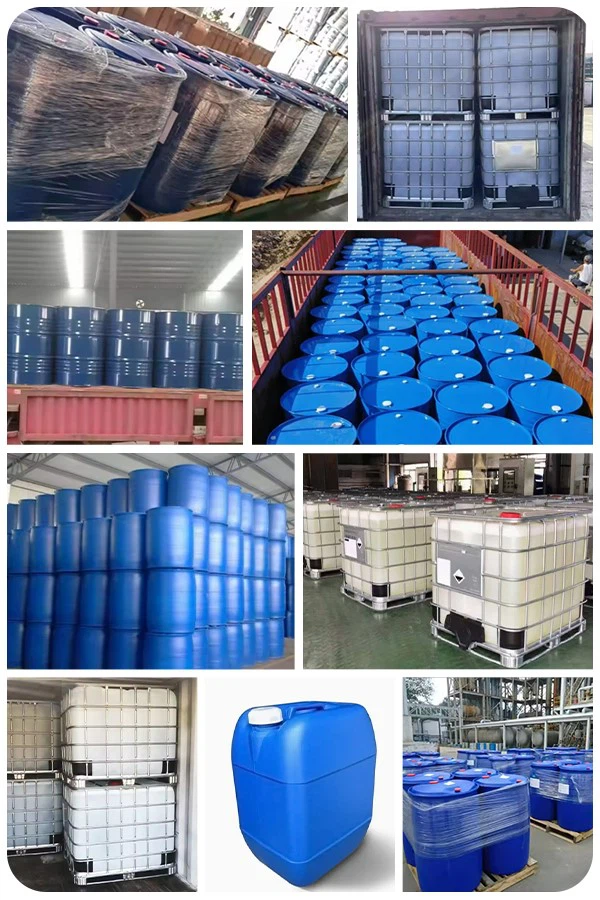
qualified Dichloromethane DCM solvent Suppliers
Safety Considerations
While methylene chloride is highly effective, it comes with stricter regulations in many countries due to health risks:
Requires proper ventilation
Use of PPE (gloves, respirators)
Restricted in consumer products in some markets
Acetone, although flammable, is generally considered safer and more environmentally acceptable when used correctly.
Contact Us:
Email: sales@gneebio.com
Website: https://www.gneebio.com/inquiry
Our company
GNEE BIO is a professional chemical raw materials supplier located in Henan Province, China. We have passed quality system certification and have self-managed import and export rights. Our products are popular with customers. As a leading global supplier, we deliver certified chemical raw materials that comply with REACH, RoHS, ISO and other international standards. Our robust monthly production capacity ensures consistent quality and a reliable supply for bulk orders.