
What are xylene isomers?
Xylene isomers are three flammable, colorless aromatic hydrocarbons: m-xylene, o-xylene, and p-xylene. They have the same molecular formula (C8H10 or C6H4(CH3)2) but differ in the position of the methyl group. They are key petrochemical products produced during petroleum refining and are primarily used as solvents in the printing, rubber, and coating industries, as well as intermediates in the production of polyester fibers and plasticizers.
Quick answer: o-Xylene is used mainly to make phthalic anhydride. p-Xylene is used mainly to make purified terephthalic acid (PTA) for polyester. m-Xylene is used mainly to make isophthalic acid for specialty resins. The three isomers are not interchangeable in synthesis.
Understanding the differences between xylene isomers is important for chemical buyers, manufacturers and industrial users.
Structure Differences Between Xylene Isomers
The difference between xylene isomers lies in the different positions of the two methyl groups attached to the benzene ring.
| Isomer | Structure Description |
|---|---|
| o-Xylene | Methyl groups adjacent (1,2-position) |
| m-Xylene | Methyl groups separated by one carbon (1,3-position) |
| p-Xylene | Methyl groups opposite each other (1,4-position) |

ortho-xylene/meta-xylene/para-xylene Properties:
| Property | o-Xylene | m-Xylene | p-Xylene |
|---|---|---|---|
| CAS Number | 95-47-6 | 108-38-3 | 106-42-3 |
| Molecular Formula | C8H10 | C8H10 | C8H10 |
| Molecular Weight | 106.17 g/mol | 106.17 g/mol | 106.17 g/mol |
| Boiling Point | 144°C | 139°C | 138°C |
| Melting Point | -25°C | -48°C | 13°C |
| Density | 0.88 g/cm³ | 0.86 g/cm³ | 0.86 g/cm³ |
| Appearance | Colorless liquid | Colorless liquid | Colorless liquid |
| Water Solubility | Slight | Slight | Slight |
The differences in boiling point and especially melting point affect how each isomer is separated, stored and used. p-Xylene, for example, solidifies at a much higher temperature than o-xylene, which matters for winter storage and transport.
Applications of the three xylene isomers
o-Xylene Applications
o-Xylene is mainly used as the raw material for phthalic anhydride. Phthalic anhydride goes into plasticizers, alkyd resins and unsaturated polyester resins, and into coatings. o-Xylene is also used directly as an industrial solvent in paints, inks, adhesives and rubber processing. For more detail, see o-xylene as a key intermediate for phthalic anhydride.
m-Xylene Applications
m-Xylene is mainly used to produce isophthalic acid. Isophthalic acid is used in high-performance polyester resins, as a copolymer modifier in PET, in glass-fiber reinforced plastics and in industrial coatings. m-Xylene is also an intermediate for agrochemicals, dyes and specialty synthetic chemicals.
p-Xylene Applications
p-Xylene is the most commercially valuable xylene isomer. It is the core raw material for purified terephthalic acid (PTA), which is used to make polyester fibers, PET bottles, packaging films and textiles. Its demand is closely tied to the global polyester and packaging markets.
Which Isomer Should You Choose?
Each isomer serves a different downstream chain, so the right choice depends on your process:
- Making phthalic anhydride or plasticizers: o-xylene is the standard feedstock.
- Making PTA or polyester fiber: p-xylene is the standard feedstock.
- Making isophthalic acid or specialty resins: m-xylene is the standard feedstock.
- Using as a general solvent in coatings or inks: o-xylene or mixed xylene may fit, depending on your specification. See Ortho Xylene vs Mixed Xylene for this comparison.
Frequently Asked Questions
Q: Can o-xylene replace m-xylene or p-xylene in a process?
A: Usually not. The isomers have different melting points and reactivity, so a process designed for one isomer may not work with another. Confirm the specification with your technical team before switching.
Q: Why is o-xylene more expensive or cheaper than other isomers?
A: Price depends on supply and demand in each downstream market, the refinery or separation route and freight costs. Request a current quotation from GNEE BIO for the grade you need.
Q: Does GNEE BIO supply all three xylene isomers?
A: GNEE BIO supplies o-xylene (CAS 95-47-6) and mixed xylene products. Contact our sales team to confirm the current availability of m-xylene and p-xylene.
Request a Quote
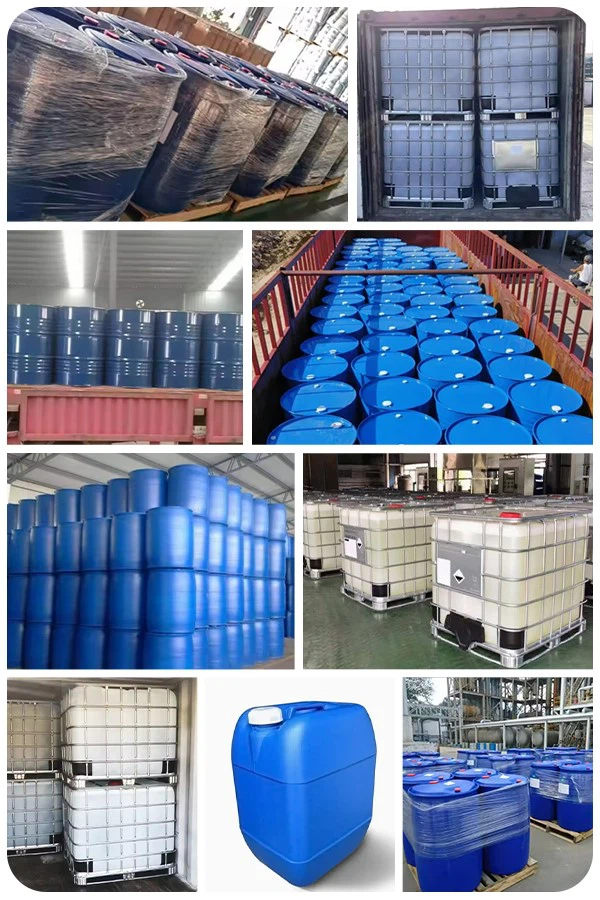
Need o-xylene or a specific isomer for your process? Contact GNEE BIO or email sales@gneebio.com with your grade, volume and destination. We provide COA, SDS and packaging options with every quotation.
Our company
TIANJIN GNEE BIOTECH CO., LTD. is a professional chemical raw materials supplier. We have passed quality system certification and have self-managed import and export rights. Our products are popular with customers. As a leading global supplier, we deliver certified chemical raw materials that comply with REACH, RoHS, ISO and other international standards. Our robust monthly production capacity ensures consistent quality and a reliable supply for bulk orders.