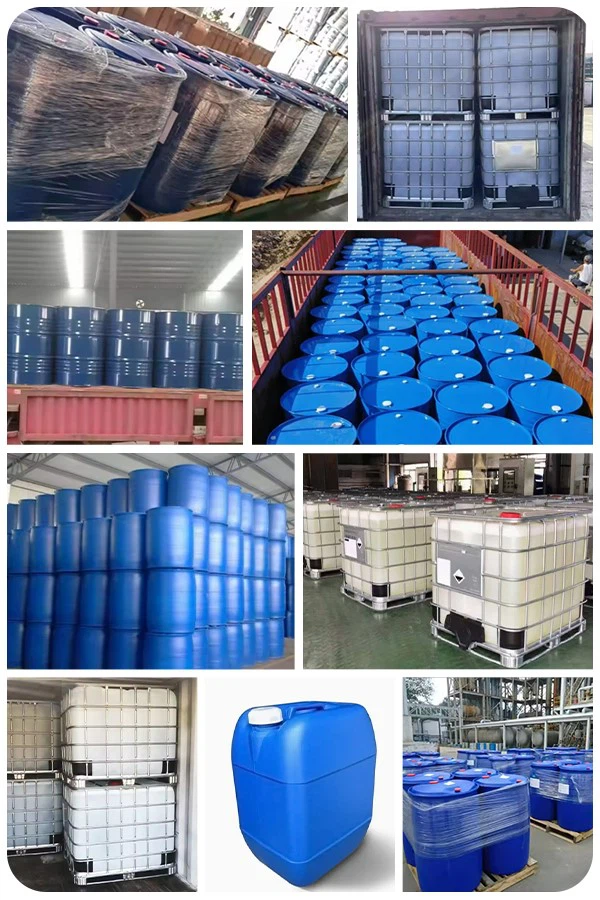
CAS 127-18-4 Tetrachloroethylene, also known as perchloroethylene and abbreviations such as perc (or PERC), and PCE, is a chlorocarbon with the formula Cl2C=CCl2. It is a volatile, non-flammable, stable, colorless and dense liquid widely used for dry cleaning of fabrics and as a metal degreasing solvent.
Perchloroethylene (PCE) CAS 127-18-4 - Properties
Chemical and Physical Properties
Chemical Formula: C₂Cl₄
Molecular Weight: 165.83 g/mol
Appearance: Colorless liquid
Odor: Sweet, ether-like, pungent
Density: 1.622 g/cm³ (heavier than water)
Boiling Point: 121 °C (250 °F)
Vapor Pressure: 14 mmHg at 25°C (indicates high volatility)
Solubility:
Very low in water: ~150 mg/L at 25°C
Miscible with most organic solvents (alcohols, ethers, oils).
Stability: Stable under normal conditions but can decompose under high heat or light to produce toxic fumes (phosgene, hydrogen chloride).


Perchloroethylene (PCE) CAS 127-18-4 - Uses
1.Tetrachloroethylene (PCE) is widely used, mainly used as metal degreasing solvent, but also used as an insect repellent. Tetrachloroethylene can be used as fat extraction agent, fire extinguishing agent and smoke agent, and can also be used in the synthesis of trichloroethylene and fluorinated organic compounds.
2. Perchloroethylene CAS 127-18-4 is widely used as natural and synthetic fiber dry cleaning agent. It is also used as degreasing detergent for metals, general solvent and intermediate for organic synthesis.
3. Used as a standard material for chromatographic analysis.
4. For adhesive repellent, fat extraction agent, also used in organic synthesis.
Perchloroethylene (PCE) CAS 127-18-4 - Safety
1. Toxicity: Perchloroethylene (PCE) is toxic. Long-term exposure to or inhalation of high concentrations of tetrachloroethylene may affect the respiratory system, liver, kidneys, and central nervous system.
2. Flammability: Tetrachloroethylene is a flammable liquid, and its vapor can form explosive mixtures. Appropriate fire prevention measures must be taken when storing and handling tetrachloroethylene.
3. Environmental Impact: PCE has a certain environmental impact. It can enter the environment through air, water, and soil, and may cause damage to aquatic life and terrestrial ecosystems.
4. Exposure Precautions: When using or handling tetrachloroethylene, follow safe operating procedures and avoid direct contact with skin and eyes. Wear appropriate protective equipment, such as gloves, safety glasses, and respiratory protective equipment, if necessary.
Why Choose gneebio?
The customer comes first. We provide high-quality products at reasonable prices and ensure prompt shipment.
We can send the goods directly to your delivery address, which is relatively safe and fast. We have goods ready in stock.
We respond quickly and clearly to customers' questions. We provide a warm after-sales service and will help you solve any problems you encounter.
We deliver exceptional quality and service at competitive prices.
Contact Us:
Email: sales@gneebio.com
Website: https://www.gneebio.com/inquiry
Our company
GNEE BIO is a professional chemical raw materials supplier located in Henan Province, China. We have passed quality system certification and have self-managed import and export rights. Our products are popular with customers. As a leading global supplier, we deliver certified chemical raw materials that comply with REACH, RoHS, ISO and other international standards. Our robust monthly production capacity ensures consistent quality and a reliable supply for bulk orders.