WHAT IS EPS (Expandable Polystyrene)?
Expanded polystyrene (EPS) also known as 3-[(2-aminoethyl)amino]propanesulfonic acid, CAS number is 14235-54-2, it is a type of rigid foam plastic that is derived from polystyrene beads. It is created through a process called expansion, where polystyrene beads are heated and exposed to steam and a blowing agent. This causes the beads to expand and fuse together, forming a lightweight cellular material.


properties of Expandable Polystyrene
Expandable polystyrene can be moulded in a range of densities from as low as 12kg/m3 up to 50kg/m3 with the resulting properties, such as compressive strength, being determined by the manufactured density.
Products made from EPS are typically water resistant, tough and give very high impact resistance. The air-filled structure has long term stable thermal conductivity, is non-toxic and chemically inert.
Fungi and bacteria cannot grow on EPS due to it's properties.

What is EPS used for?
1.Construction: Widely used for thermal insulation, expandable polystyrene comes in the form of rigid foam boards or panels installed in walls, roofs, and floors. It cuts down heat transfer, boosts energy efficiency, and makes indoor spaces cozier. Additionally, it acts as a sound barrier, reducing noise between rooms.
2.Packaging: Ideal for protecting fragile items, EPS is crafted into molded foam inserts, corner protectors, and cushioning materials. With excellent shock absorption and impact resistance, it safeguards electronics, appliances, glassware, and more during transit.
3.Automotive Industry: In cars, expandable polystyrene is used for interior parts like headliners, door panels, armrests, and seat cores. It's lightweight and comfortable, while also providing sound and thermal insulation. It's also used as a filler in non - structural parts to reduce vehicle weight and improve fuel efficiency.
4.Marine and Boating: EPS resin plays a key role in the marine industry for buoyancy. It's used to make floatation modules, buoys, and other structures. Resistant to water absorption, it offers reliable support for boats, docks, and other marine uses.
5.Arts and Crafts: A favorite among artists and crafters, EPS's lightweight and easy - to - cut features make it perfect for creating props, sculptures, models, and decorative items. It can be shaped, carved, and painted with ease, offering great creative flexibility.

Why choose us?
✅ High monthly production capacity
✅ Certified quality (REACH, ROHS, ISO)
✅ Packaging options to fit your needs
✅ Fast, reliable shipping
✅ All paperwork included
Ready to buy? Shoot us an email for a quote or samples! 📧 sales@gneebio.com
about us
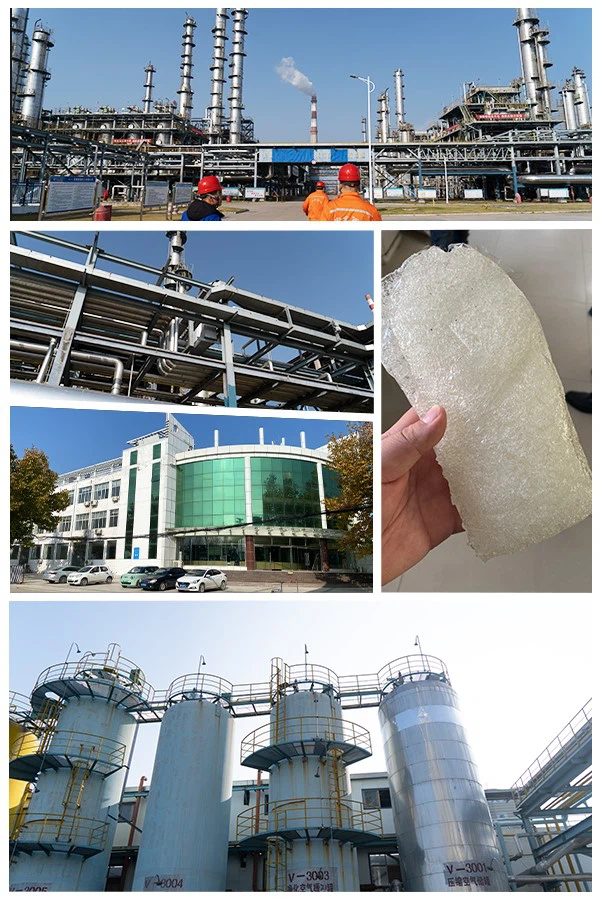
GNEE BIO is located in Henan Province, China, we have passed the quality system certification, have self-managed import and export rights, and our products are well received by customers.
As a leading global supplier, we deliver certified chemical raw materials compliant with REACH, ROHS, ISO, and other international standards. Our robust monthly production capacity ensures consistent quality and reliable supply for bulk orders.
Pricing:
Bigger orders = better prices. Tell us your volume for a competitive quote.
Packaging & Speed:
Get it your way: Drums, IBCs, or ISO tanks. Most orders ship in 15-25 days.
Safe & Compliant:
All products strictly adhere to international safety and environmental regulations.
Products Paperwork:
MSDS (SDS) and COA docs ready to go with every shipment.