

O-xylene (ortho-xylene, CAS 95-47-6) has a reference density of approximately 0.88 g/mL at 20°C and a normal boiling point of approximately 144.4–144.5°C at atmospheric pressure. These physical properties are useful for identifying the chemical, estimating liquid volume and understanding its behavior during storage, handling and separation. This article details the physical properties of o-xylene and their importance.

Basic Properties of o-Xylene
| Property | Reference Value | Conditions or Notes |
|---|---|---|
| Chemical Name | o-Xylene (ortho-xylene) | Also known as 1,2-dimethylbenzene |
| CAS Number | 95-47-6 | Chemical identifier |
| Molecular Formula | C₈H₁₀ | - |
| Molecular Weight | 106.16 g/mol | Reference value |
| Appearance | Colorless liquid | Reference description |
| Density | Approximately 0.880 g/mL | At 20°C |
| Normal Boiling Point | Approximately 144.4–144.5°C | At atmospheric pressure |
| Melting Point | Approximately −25.2°C | Reference value |
| Water Solubility | Very low | Approximately 0.18 g/L at 20°C |
What Is the Density of o-Xylene?
The density of o-xylene is approximately 0.88 g/mL at 20°C. This means that, at the reference temperature, one liter of pure o-xylene has a mass of approximately 0.88 kg.
Density is important in industrial procurement and handling because it helps buyers convert between mass and volume. It is also relevant to tank measurements, loading calculations and liquid-transfer operations.
Temperature matters when comparing density data. Buyers should ensure that values are compared at the same reference temperature rather than treating measurements taken at different temperatures as directly equivalent.
What Is the Boiling Point of o-Xylene?
Orthoxylene boiling point: approximately 144°C (291°F)
CAS 95-47-6 The boiling point of o-xylene is relatively high compared to many solvents.
This means it offers thermal stability for high-temperature applications. Compared to lighter solvents, o-xylene solvents evaporate more slowly, making them ideal for use in coatings, resins, and chemical synthesis.
Its boiling point also allows for efficient separation from other xylene isomers during distillation.
o-Xylene (ortho-xylene) CAS 95-47-6 Supplier
Why Do These Properties Matter to Buyers?
When purchasing o-xylene for industrial use, buyers should consider the following:
- Mass and volume calculations: Use density data at a stated temperature when converting between liters and kilograms.
- Process requirements: Confirm that the physical properties and product specification suit the intended process.
- Product identification: Check that the quotation and product documents refer to o-xylene, CAS 95-47-6, rather than mixed xylene, CAS 1330-20-7.
- Quality verification: Review the applicable product specification and batch COA instead of relying only on general reference data.
What Should Buyers Confirm Before Ordering o-Xylene?
Before requesting a quotation, specify the required purity, relevant impurity limits, order quantity, packaging preference and destination. Ask for the applicable product specification and SDS, and confirm whether a batch-specific COA can be provided for the shipment.
GNEE BIO supports B2B chemical supply and export coordination. Our team can discuss the required specification, documentation and shipment arrangements for your destination.
o-xylene uses in industry
1. Production of Phthalic Anhydride:
The primary use of o-xylene is in the production of phthalic anhydride, a precursor to many plasticizers, dyes, and resins. Phthalic anhydride is used in the production of paints and coatings.
2. Solvent:
Ortho xylene is used as a solvent in the production of paints, varnishes, adhesives, and coatings due to its ability to dissolve a wide range of materials, especially plastics and resins. It is also used in solvent-based formulations in the rubber and leather industries.
3. Plasticizer:
CAS 95-47-6 o-xylene is used in the production of plasticizers such as dioctyl phthalate (DOP). DOP is used in PVC (polyvinyl chloride) plastics to improve their flexibility and durability.
4. Production of Terephthalic Acid:
In some cases, it can be converted into terephthalic acid (TPA), a key component in the production of polyester fibers and plastic bottles.
conclusion
The density and boiling point of o-xylene/orthoxylene (CAS 95-47-6) are key physical properties affecting its industrial applications, safety, and handling.
- Density: Approximately 0.88 g/cm³
- Boiling point: Approximately 144°C
These properties make it a versatile and high-performance chemical widely used in manufacturing and as a solvent.
about us
Established in 2021, Tianjin Gnee Biotech Co., Ltd. is a professional chemical supplier serving global markets with a focus on industrial solvents, chlorinated solvents, oxygenated solvents, aromatic hydrocarbons, glycols, and other chemical raw materials.
With continuous development and industry experience, we have established ourselves as a reliable chemical supplier, providing one-stop sourcing solutions and professional services to customers worldwide.
Our chemical products hold international certifications (REACH, ISO, FMQS, HALAL) for global quality recognitio. We have warehouses in coreports such as Qingdao, Tianiin, and Shanghai, with a 15-day express delivery service.
Related pages:
o-Xylene CAS 95-47-6 Supplier
o-xylene flash point
o-xylene purity and COA
ortho-xylene Industrial Applications
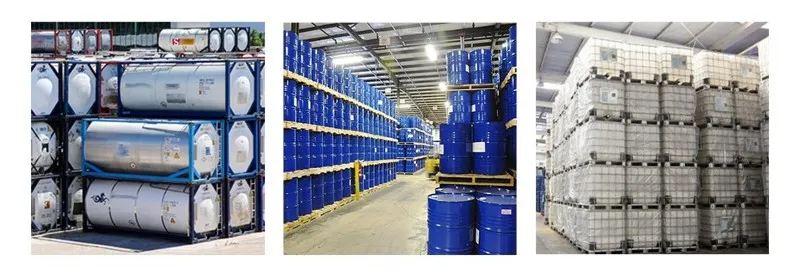
GNEE BIO Product Packaging
| Packaging Type | Net Weight |
|---|---|
| Steel Drum | 250 kg |
| IBC Tank | 1250 kg |
| ISO Tank | Bulk shipment |
Customer Visit
