Propylene glycol (PG) and dipropylene glycol (DPG) are two multi-purpose ingredients employed in personal care and industrial use, respectively, but both of them differ significantly in composition, characteristics, and application. In this blog post, we'll explore the differences between dipropylene glycol and propylene glycol, and which one is better suited for your particular needs.

What is Propylene glycol CAS 57-55-6?
Propylene glycol (PG) is a clear viscous, colorless liquid, which is nearly odorless and possesses a faintly sweet taste. Its chemical formula is C3H8O2. 1,2-Propanediol contains two alcohol groups, it is classed as a diol. It's miscible with a broad range of solvents, including water, acetone, and chloroform.
Propylene glycol CAS 57-55-6 can be used as raw material of unsaturated polyester resin; it is also the raw material of plasticizer, surfactant, emulsifier and emulsion breaker; in food industry, it is used as flavor.
What is Dipropylene Glycol CAS 25265-71-8?
Dipropylene glycol (DPG) is a colorless, odorless, and viscous liquid that is commonly used as a solvent, coupling agent, fragrance ingredient, and diluent. It has a low volatility and is less susceptible to oxidation than propylene glycol, making it ideal for applications that require long-lasting stability. DPG is compatible with a wide range of materials, including water, alcohols, and oils, making it a versatile ingredient in many personal care and cosmetic formulations.

What's the main difference between propylene glycol and dipropylene glycol?
Structural Composition
The major chemical distinction is their molecular structures. Propylene glycol contains a single propane backbone and two hydroxyls, whereas dipropylene glycol is a mixture of isomers containing two propane units bridged with an ether link. This makes the molecular weight significantly higher and thicker for DPG.
Physical Properties
- Viscosity: Due to the higher viscosity of DPG compared to PG, this has also affected its handling and flow properties in formulations.
- Boiling Point: The boiling point of dipropylene glycol is more than that of propylene glycol, over above 230°C compared to 188°C of PG; thus, DPG becomes an appropriate solvent for high-temperature applications.
- Solubility: Both are miscible with water and several organic solvents but, in addition, it is mostly miscible with oils.
- Volatility: PG, being more volatile, performs better in situations when fast drying is required. DPG, which has a higher evaporation rate, is ideal for long-lasting products such as perfumes and air fresheners.

Application Differences
Propylene Glycol (PG CAS 57-55-6 ):
- Food: Retains moisture in baked goods, dairy, etc.
- Pharmaceuticals: Solvent in liquid meds, topical creams.
- Cosmetics: Humectant in moisturizers, conditioners.
- Industrial: Non-toxic antifreeze, solvent in paints.
Dipropylene Glycol (DPG CAS 25265-71-8):
- Fragrances: Fixative to extend scent life; dissolves fragrance oils.
- Cosmetics: Used in nail polishes, lotions for mildness.
- Industrial: Solvent in inks/coatings; intermediate for plastics.
Conclusion
When selecting between DPG and PG for personal care or cosmetic formulations, your specific needs and requirements should guide the choice. Though both are widely used and share some similarities, they each have distinct characteristics and unique properties.
If your formulation demands stability, low reactivity, and resilience at high temperatures, DPG is a strong candidate. On the other hand, if you need an ingredient that excels at moisturizing, absorbs easily, offers good solubility, and has low toxicity, PG is more suitable.
GNEE BIO provides high-quality PG and DPG to suit various business requirements.
Why choose us?
✅ High monthly production capacity
✅ Certified quality (REACH, ROHS, ISO)
✅ Packaging options to fit your needs
✅ Fast, reliable shipping
✅ All paperwork included
Ready to buy? Shoot us an email for a quote or samples! 📧 sales@gneebio.com
about us
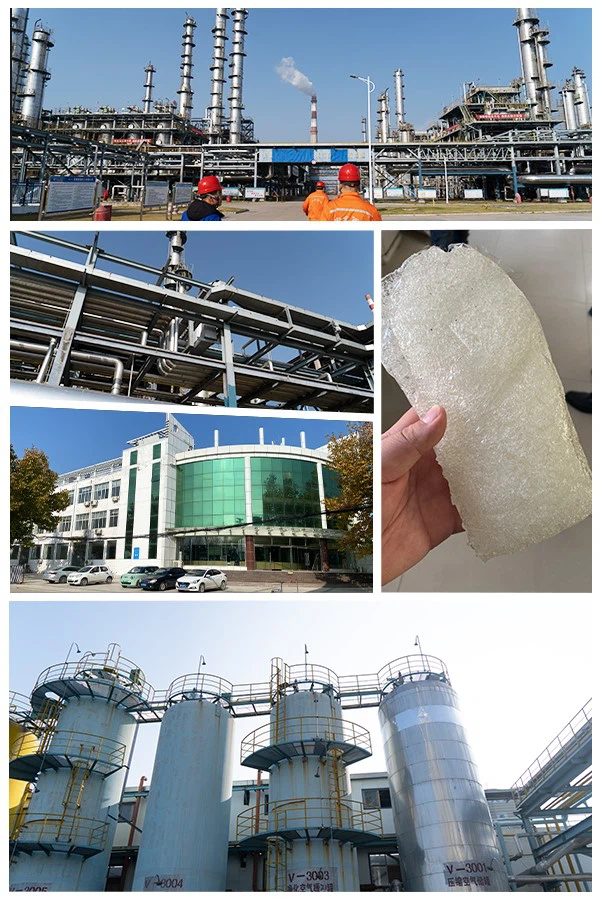
GNEE BIO is located in Henan Province, China, we have passed the quality system certification, have self-managed import and export rights, and our products are well received by customers.
As a leading global supplier, we deliver certified chemical raw materials compliant with REACH, ROHS, ISO, and other international standards. Our robust monthly production capacity ensures consistent quality and reliable supply for bulk orders.

Our Packing
1kg/aluminium foil bag, with two plastic bags inside.
25kg/fiber drum, with two plastic bags inside.
Size:ID 42cm*H52cm,0.08m3/drum;
Net Weight: 25 kgs, Gross Weight:28kgs.