

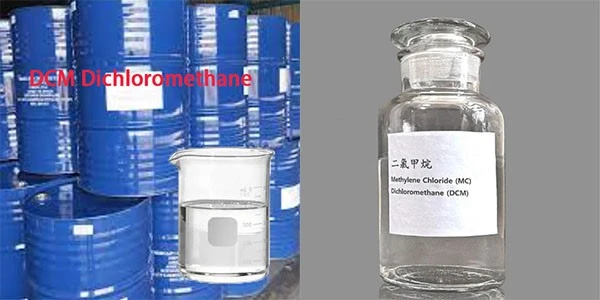
Dichloromethane DCM, also known as methylene chloride is a colorless, volatile chlorinated hydrocarbon solvent with the chemical formula CH₂Cl₂ and CAS number 75-09-2. Due to its strong solvency, low boiling point, and ability to dissolve a wide range of organic compounds, it is widely used in industrial manufacturing, laboratory research, and pharmaceutical processing.
This guide provides a comprehensive reference covering MSDS hazard classifications, health effects, safe handling practices, storage requirements, and emergency response procedures.
what is Dichloromethane (DCM)?Basic Identification and Properties
CAS 75-09-2 Methylene chloride (also known as DCM or dichloromethane) is an organic compound with the molecular formula of CH2Cl2. It is colourless liquid with a moderately sweet aroma that is widely used as a solvent in paint strippers and degreasing. Methylene Chloride is a non-flammable liquid, having no measurable flashpoint or flammable limits in air. Although it is not miscible with water, It is miscible with many organic solvents.
Basic Information
| Chemical Name | Dichloromethane |
| Synonyms | Methylene chloride, DCM |
| CAS Number | 75-09-2 |
| Molecular Formula | CH₂Cl₂ |
| Molecular Weight | 84.93 g/mol |
| UN Number | UN 1593 |
| EC Number | 200-838-9 |
Key Physical and Chemical Properties
| Physical State | Clear, colorless liquid |
| Odor | Sweet, chloroform-like odor |
| Density | 1.3266 g/cm³ at 20 °C (1.33 g/cm³) |
| Boiling Point | 39.6 °C (103.3 °F) |
| Melting Point | -97 °C (-142.6 °F) |
| Vapor Pressure | 350 mbar at 20 °C (47.3 kPa) |
| Water Solubility | 17.5–20 g/L at 20–25 °C |
| Refractive Index | 1.424 at 20 °C |
| Viscosity | 0.42 mPa·s at 25 °C |
Related Article: CAS 75-09-2 DCM Dichloromethane: Formula, Structure, Properties, and Uses
MSDS Hazard Classification (GHS / OSHA)
According to the OSHA Hazard Communication Standard (29 CFR 1910.1200) and GHS classification, dichloromethane is categorized as follows:
1. GHS Hazard Classes
- Skin Corrosion/Irritation: Category 2 - Causes skin irritation
- Serious Eye Damage/Eye Irritation: Category 2 - Causes serious eye irritation
- Carcinogenicity: Category 1B - May cause cancer
- Specific Target Organ Toxicity (Single Exposure): Category 3 - May cause drowsiness or dizziness; may cause respiratory irritation. Target organs:
- Central nervous system (CNS), respiratory system
- Specific Target Organ Toxicity (Repeated Exposure): Category 2 - May cause damage to organs through prolonged or repeated exposure. Target organs: Liver, kidney, blood
2. Label Elements
Signal Word: Danger
Hazard Statements (H-codes):
- H315: Causes skin irritation
- H319: Causes serious eye irritation
- H335: May cause respiratory irritation
- H336: May cause drowsiness or dizziness
- H351: Suspected of causing cancer
- H373: May cause damage to organs through prolonged or repeated exposure
Note: Under normal conditions, DCM is generally classified as a non-flammable substance. It has no flash point. Its primary hazards are toxicity and vapor inhalation, rather than fire risk.
Toxicology and Health Effects
1. Acute Toxicity Values
| Route | Test Species | Value |
| Oral LD₅₀ | Rat | > 2000 mg/kg |
| Dermal LD₅₀ | Rat | > 2000 mg/kg |
| Inhalation LC₅₀ (4 h) | Rat | 76,000 mg/m³ |
| Inhalation LC₅₀ (6 h) | Rat | 53 mg/L |
2. Acute Exposure Effects
Dichloromethane DCM is rapidly absorbed through inhalation and skin contact. In the liver, it is metabolized to carbon monoxide (CO), formaldehyde, and carbon dioxide. The carbon monoxide formed binds to hemoglobin, reducing the blood's oxygen-carrying capacity and producing effects similar to CO poisoning.
Acute symptoms include:
- Central nervous system depression: headache, dizziness, fatigue, confusion, loss of coordination
- Respiratory tract irritation: coughing, chest tightness, shortness of breath
- Nausea and vomiting
- Cardiovascular stress: palpitations, chest pain
- Loss of consciousness and death at very high concentrations
- Skin and eye irritation upon direct contact
3. Chronic and Long-Term Effects
Carcinogenicity: The International Agency for Research on Cancer (IARC) classifies dichloromethane as Group 2A (probably carcinogenic to humans). The U.S. National Toxicology Program (NTP) lists it as "reasonably anticipated to be a human carcinogen." Long-term inhalation studies in animals have shown increased incidence of liver, lung, and mammary gland tumors.
Organ damage: Repeated or prolonged exposure can damage the liver, kidneys, and blood system.
Neurological effects: Chronic exposure may cause cognitive impairment, memory loss, and behavioral changes.
Reproductive and developmental toxicity: Animal studies have shown reproductive and developmental effects at high doses.
First-Aid Measures
- Inhalation: Move to fresh air immediately, administer oxygen if needed
- Skin: Wash with soap and water for ≥15 minutes
- Eyes: Rinse with clean water for ≥15 minutes
- Ingestion: Do NOT induce vomiting; seek medical attention immediately
Safe Handling and Personal Protection Of dichloromethane
Engineering Controls
- Use only inside a certified chemical fume hood with adequate face velocity
- Ensure local exhaust ventilation at the point of vapor release
- Install eyewash stations and safety showers within immediate reach of the work area
- For large-scale operations, use closed transfer systems and process equipment
- Monitor airborne concentrations regularly to verify compliance with exposure limits
Personal Protective Equipment (PPE)
- Eye/Face Protection: Wear chemical safety goggles or a face shield meeting OSHA 29 CFR 1910.133 or EN 166 standards
- Skin Protection: Wear chemical-resistant gloves (butyl rubber, nitrile, or Viton®; latex and vinyl provide poor protection), long-sleeved laboratory coat, and chemical-resistant apron for splash-prone operations
- Respiratory Protection: If exposure limits may be exceeded, use a NIOSH-approved respirator with organic vapor cartridges (Type AX, brown filter per EN 371). For high concentrations, use supplied-air respirators
- Hygiene: Wash hands, face, and forearms thoroughly after handling; do not eat, drink, smoke, or apply cosmetics in work areas
Storage Requirements of DCM CAS 75-09-2
General Storage Conditions
Store DCM in a cool, dry, well-ventilated area, away from direct sunlight and heat sources.
Keep the container tightly sealed and stored upright to prevent leakage.
Store in a secure, locked area in accordance with regulations for hazardous chemicals.
Maintain storage temperature below 30°C (86°F) whenever possible.
Incompatible Materials
Dichloromethane/Methylene Chloride should be stored separately from the following:
Strong oxidizing agents (e.g., nitric acid, perchlorates)
Strong bases and caustic solutions
Alkali metals and alkaline earth metals
Amines and ammonia
Aluminum and its alloys (dichloromethane can react with aluminum, especially at high temperatures)
Reactive metals (e.g., sodium, potassium, magnesium)
Regulatory Status
United States
OSHA 29 CFR 1910.1052 regulated chemical
TSCA Section 6 (2024): severe restrictions on most uses
EPA requires Workplace Chemical Protection Program (WCPP)
Listed under Prop 65 (California carcinogen)
International
Listed under REACH Annex XVII (restricted industrial use)
Registered in major global chemical inventories
Common Industrial and Laboratory Uses Of Dichloromethane solvent
Thanks to its excellent solvency and low boiling point, dichloromethane solvent is highly valuable in the following areas:
- Extraction solvent: Decaffeination of coffee and tea; alkaloid extraction from plant materials
- Laboratory applications: Solvent for liquid-liquid extraction, chromatography, and organic synthesis
- Paint and coating removal: Industrial paint strippers (consumer use banned in U.S. since 2019)
- Metal cleaning and degreasing: Precision parts cleaning
- Pharmaceutical manufacturing: Solvent for drug synthesis and formulation
- Adhesives and solvent welding: Bonding acrylic and plastic materials
- Aerosol propellant: Formulation component in spray products
- Foam blowing agent: Polystyrene foam production
- Chemical processing: Reaction medium and purification solvent
Related articles: High-Purity Dichloromethane (DCM) CAS 75-09-2 for Industrial, Pharmaceutical Applications
Conclusion
Dichloromethane (CAS 75-09-2) is a highly effective industrial solvent with strong solvency and wide application in chemical processing, extraction, and manufacturing. However, due to its toxicological profile and suspected carcinogenicity, it requires strict engineering controls, PPE, and regulatory compliance. Global regulatory trends are increasingly restricting its use, making safe handling and controlled industrial application essential.
About us
Gneebio is a professional supplier and exporter of industrial chemical raw materials, boasting over a decade of experience in international trade and global supply chain services. The company is dedicated to providing high-quality solvents, intermediates, and specialty chemicals to clients in the pharmaceutical, coatings, electronics, and manufacturing sectors worldwide.
All Gneebio products come with comprehensive documentation-including Certificates of Analysis (COA), Material Safety Data Sheets (MSDS), and Technical Data Sheets (TDS)-ensuring safe usage and transparent technical support for buyers across the globe.