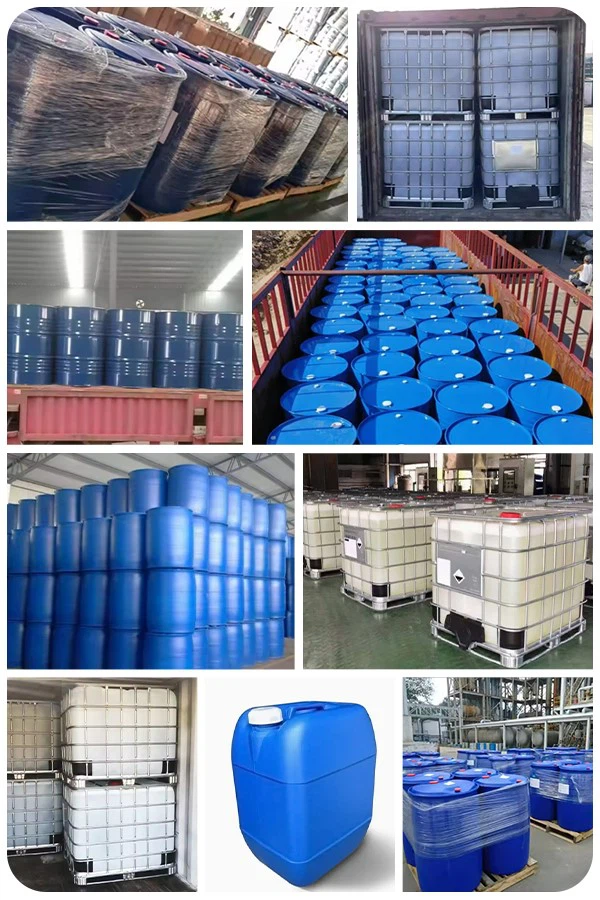
Acetic acid is one of the most important organic acids in modern industrial production. It is renowned for its strong acidity, excellent solubility, and diverse chemical properties, and is widely used as an industrial solvent.
From textile dyeing and finishing to food preservation and flavor enhancement, acetic acid (glacial) plays a crucial role in improving production efficiency and product quality. Its wide range of applications makes it an indispensable raw material for industries worldwide.
What Is Acetic Acid (CAS No 64-19-7)?
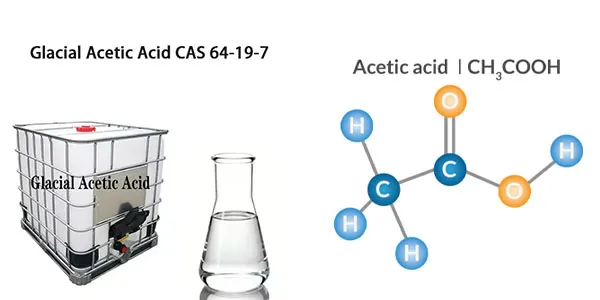
CAS 64-19-7 Acetic acid, also known as ethanoic acid, is an organic compound with the chemical formula CH₃COOH. It is a colorless liquid with a pungent odor. Acetic acid can be produced naturally or synthesized artificially.
Naturally, it is produced through the fermentation of ethanol.
Industrially, ethanoic acid is usually produced by the carbonylation of methanol.
Organic Chemical Acetic Acid Uses in the Textile Industry
1. Dyeing Assistant & pH Regulator
Acetic acid serves as an essential dyeing auxiliary. It boosts dye absorption on fabrics and ensures uniform color distribution. Meanwhile, it adjusts pH value in the dyeing process to form stable and ideal color shades.
2. Raw Material for Acetate Fiber Production
It is a key raw material for making acetate fibers. Such fibers are widely applied in garments, linings and upholstery fabrics, featuring good drapability, luster and air permeability.
3. Manufacturing of Textile Auxiliaries
Glacial Acetic Acid is used to produce textile softeners and finishing agents. These additives effectively improve fabric hand feel, durability and overall product quality.

Food-Grade Acetic Acid Uses in the Food Industry
Food-grade acetic acid is a versatile food additive (E260) and natural preservative widely used across food processing.
1. Natural Food Preservation
With natural antibacterial and antifungal properties, it lowers product pH to restrain microbial growth, extend shelf life and boost food safety. It is commonly applied in pickled vegetables, sauces, condiments, processed foods and canned goods.
2. Raw Material for Vinegar Making
It is the core active component of vinegar. Widely used in cooking, seasoning, marinades, salad dressings and fermented foods; different vinegar types adopt different acetic acid concentrations per industry and regional standards.
3. Flavor Enhancer
Food Grade Acetic Acid provides mild sourness, balances sweetness, stabilizes taste and optimizes overall flavor. It is extensively added to snacks, sauces, drinks and ready-to-eat foods.
4. Acidity Regulator
Acetic acid CAS 64-19-7 controls and adjusts acidity in food production, stabilizes formula texture, keeps product consistency.

For detailed application guidelines, please click here.
Conclusion
Food grade acetic acid is a key ingredient in many common condiments, such as ketchup, mustard, mayonnaise, and pickles. It is also used as a preservative in some foods, such as salad dressings and sauces.
CAS 64-19-7 Acetic acid (chemical) has antibacterial properties that help protect food from harmful bacteria while also imparting a unique flavor.
CAS No. 64-19-7 Acetic acid is a versatile compound used in both the textile and food industries. If you are looking for a reliable supplier or would like to learn more about the uses of acetic acid, Gneebio is your best choice.
Contact Us:
Email: sales@gneebio.com
Website: https://www.gneebio.com/inquiry
Our company
TIANJIN GNEE BIOTECH CO., LTD. is a professional chemical raw materials supplier. We have passed quality system certification and have self-managed import and export rights. Our products are popular with customers. As a leading global supplier, we deliver certified chemical raw materials that comply with REACH, RoHS, ISO and other international standards. Our robust monthly production capacity ensures consistent quality and a reliable supply for bulk orders.