Acetic acid (glacial) is a high-demand bulk chemical widely used across multiple industries. For purchasing managers and operations managers, selecting the appropriate concentration, grade, and packaging based on process requirements, while ensuring safe operation, consistent delivery times, and reliable suppliers, is crucial. This article explains the properties of acetic acid, its applications in different industries, and relevant information for technical procurement.
What is acetic acid? Why is it so important to industrial purchasing personnel?
CAS No.64-19-7 Acetic acid, also known as ethanoic acid, is a colorless liquid with a pungent odor, widely used in the food, pharmaceutical, and chemical industries. It is the main component of vinegar, which typically contains about 5-20% (by volume) acetic acid. High-purity glacial acetic acid can form ice-like crystals at lower temperatures.
Acetic acid is an organic acid (chemical formula CH₃COOH). It exists in two forms: glacial acetic acid (≥99.5%) and low-dilution acetic acid. Choosing the appropriate grade, packaging, and delivery frequency based on the intended use can avoid cost and safety issues.

Basic Information:
| Product Name | Glacial Acetic Acid |
| CAS No. | 64-19-7 |
| Molecular Formula | CH₃COOH |
| Molecular Weight | 60.05 |
| Appearance | Colorless transparent liquid |
| Purity | 99.5%–99.8% |
| Odor | Strong pungent odor |
| Freezing Point | 16.6°C |
| Boiling Point | 117.9°C |
Applications and Roles in Different Industries
Glacial Acetic Acid (CH3COOH)/GAA supports continuous operations in water treatment, mining, food and beverage, pharmaceuticals, automotive, pulp and paper, and chemical manufacturing.
| Industry | Typical Applications | Common Grades & Specs |
|---|---|---|
| Water & Wastewater | pH control, alkalinity adjustment, odor control | 5–20% aqueous; food/tech grade |
| Mining & Metals | Metal surface prep, scale removal, reagent make-up | 10–30% aqueous; technical grade |
| Food & Beverage | CIP rinse, antimicrobial treatment, flavoring | Glacial (for dilution); FCC/food grade |
| Pharma & Biotech | API/intermediate synthesis, buffer preparation | Glacial grade; with GMP documentation |
| Automotive & Coatings | Solvent use, polymer/acetate synthesis, cleaning | Glacial / technical grade |
| Pulp & Paper | pH regulation in bleaching / deinking processes | 10–20% aqueous |
| General Manufacturing | Descaling, cleaning, acetate salt production | 10–30% aqueous; technical grade |
Advantages of Glacial Acetic Acid
1. Wide Range of Applications
One of the greatest advantages of glacial acetic acid is its broad industrial compatibility. It can be used as:
- Solvent
- Reagent
- Acidifying agent
- Preservative
- Chemical intermediate
2. Excellent Solubility
Glacial acetic acid GAA is readily soluble in water and many organic compounds, making it highly effective in industrial formulations.
3. Economical Raw Material
Due to large-scale production and stable global demand, Glacial Acetic Acid (AcOH Chemical) is relatively inexpensive compared to many specialty chemicals.
4. Powerful Antibacterial Properties
It possesses antibacterial and antifungal properties, making it valuable in food preservation, hygiene, and cleaning.
5. Highly Reactive Chemicals
High purity acetic acid can participate in a variety of organic synthesis reactions, thereby improving industrial production efficiency.
For detailed application guidelines, please click here.
What grades, concentrations, and packaging should buyers compare?
Key purchasing elements to compare:
1. Grades:
High-purity glacial (≥99.5%), technical, FCC/food-grade, pharma-grade with GMP-aligned documentation, and low-water formulations for specialized synthesis processes.
2. Concentrations:
Glacial strength; 20–30% blends for cleaning and metal treatment; 5–10% solutions optimized for water treatment and sanitation applications.
3. Packaging:
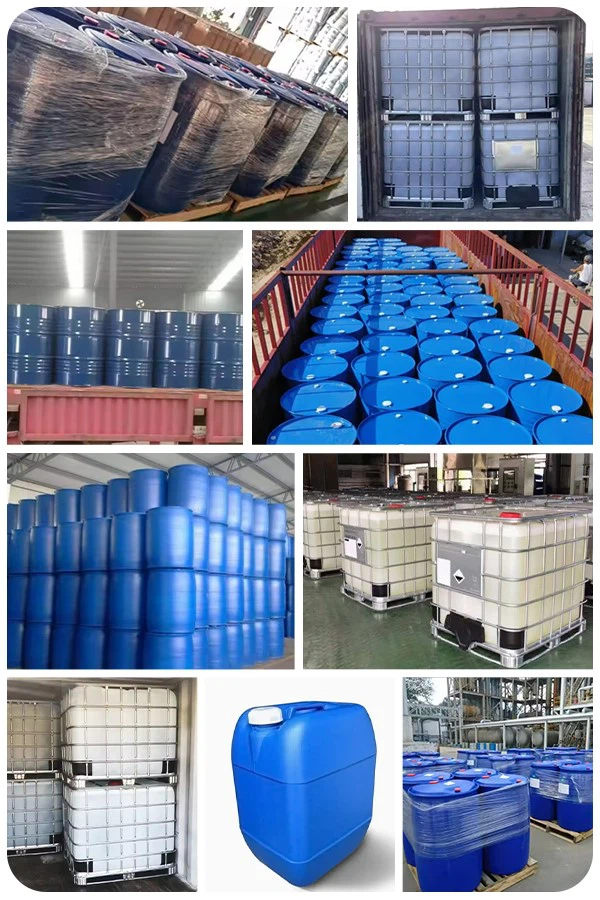
55-gallon drums, 275–330 gallon IBC totes, ISO containers, tank trucks, and rail shipments (where logistically feasible).
4. Quality documentation:
Lot-specific Certificates of Analysis (CoA), Safety Data Sheets (SDS), impurity profiles, allergen disclosures and food-contact statements (for food-grade grades).

How should acetic acid be stored to reduce risk?
Follow these rules to minimize risks and ensure a safe environment:
1. Storage Conditions: Keep in a cool, dry, well-ventilated area away from heat, ignition sources, and direct sunlight. Store in a secure, dedicated chemical space, not living areas.
2. Containers: Use chemically resistant vessels (e.g., XLPE tanks). Keep lids tightly closed, and use secondary containment (drip trays) for leaks.
3. Segregation: Separate from incompatible materials (bases, oxidizers, reactive metals) to avoid hazardous reactions. Store glacial acetic acid in a flammable cabinet.
4. Temperature: Acetic acid freezes at 16.6°C (freezing is harmless). Keep all grades ≤100°F (37.8°C); only dilute solutions tolerate higher temperatures.
5. Ventilation: Ensure good airflow; use fume scrubbers for large storage volumes to control corrosive vapors.
6. Safety Gear: Have PPE (gloves, goggles, respirator, protective clothing/footwear) nearby, plus accessible eyewash stations.
7. Labeling & Inventory: Clearly label containers with chemical and hazard info; maintain an up-to-date inventory.
Looking for a reliable partner? Choose GNEE BIO, and we'll provide you with stable, reliable, and specification-matched glacial or pre-diluted acetic acid. We supply and package according to your needs while maintaining competitive pricing.
Contact our team to determine the appropriate packaging specifications, set delivery times, and get a quick, concise quote!
Contact Us:
Email: sales@gneebio.com
Website: https://www.gneebio.com/inquiry
Our company
TIANJIN GNEE BIOTECH CO., LTD. is a professional chemical raw materials supplier. We have passed quality system certification and have self-managed import and export rights. Our products are popular with customers. As a leading global supplier, we deliver certified chemical raw materials that comply with REACH, RoHS, ISO and other international standards. Our robust monthly production capacity ensures consistent quality and a reliable supply for bulk orders.