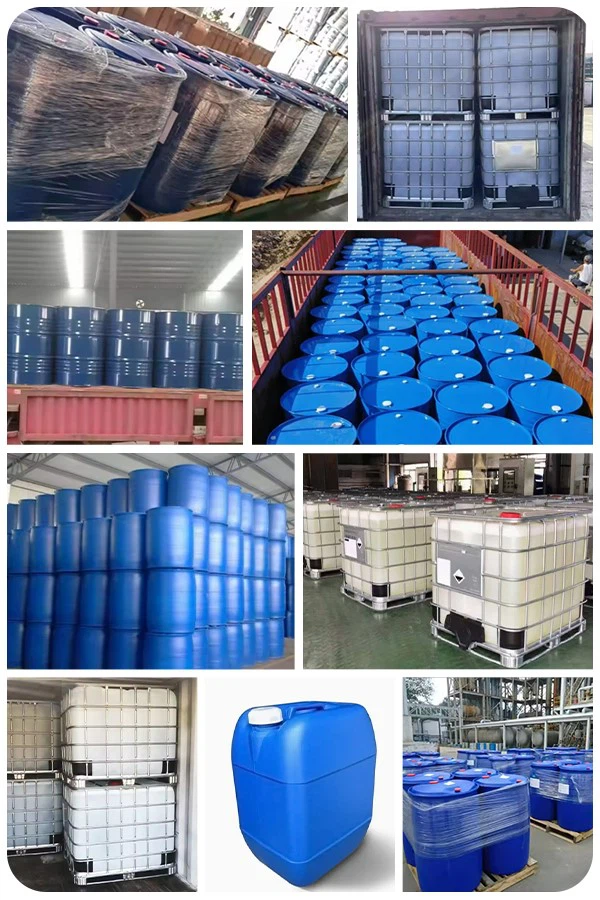
Acetonitrile (CAS 75-05-8) is a polar aprotic solvent widely used in organic synthesis and chromatographic applications. It is known for its excellent solvating properties, particularly in high-performance liquid chromatography (HPLC), and is miscible with water and most organic solvents.
Is acetonitrile an organic solvent?
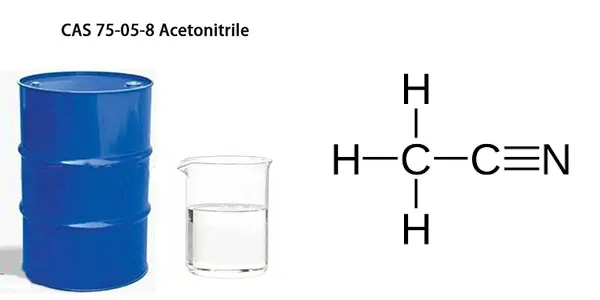
Yes, acetonitrile (CH3CN) also known as methyl cyanide, is a widely used polar aprotic organic solvent, recognizedas the simplest organic nitrile.
- Other Names: Methyl cyanide, Cyanomethane
- CAS Number: 75-05-8
- Chemical Formula: C₂H₃N
- Molar Weight: 41.05 g/mol
- Appearance: Clear, colorless liquid
Properties of Acetonitrile CAS 75-05-8:
| Odor | Faint pungent odor |
| Purity | 99% Min |
| Density (20℃) | 0.786 g/cm³ |
| Boiling Point | 81.6 ℃ |
| Melting Point | -48 ℃ |
| Flash Point | 5 ℃ |
| Solubility | Miscible with water, alcohol and organic solvents |
| Characteristic | Polar aprotic, high volatility |
Want to know more about the properties and specifications of acetonitrile? Contact us!
Are acetonitrile and methyl cyanide the same?
Yes, acetonitrile and methyl cyanide are the exact same chemical compound. They share the same chemical formula (C₂H₃N), structure (a methyl group attached to a nitrile group), and CAS number: 75-05-8.
Acetonitrile/methyl cyanide is a highly volatile, aprotic polar organic solvent. ACN or MeCN is used in analytical chemistry as a solvent or mobile phase.
Organic Solvent Acetonitrile Applications
1. Chromatography: Methyl Cyanide is used as a mobile phase in HPLC due to low UV absorbance and high elution strength.
2. Organic Synthesis: Serves as a solvent and reagent in various chemical reactions.
3. Extraction Processes: Applied in the extraction and purification of organic compounds.
4. Battery Industry: Acetonitrile ACN solvent is used in electrolyte formulations for lithium-ion batteries.
Storage of Acetonitrile chemical
- Environmental Sensitivity Control: Acetonitrile liquid is sensitive to light and high temperatures and must be kept away from direct sunlight to prevent physical degradation.
- Temperature Requirements: Classified as a Group IB flammable liquid, it must be stored below 23°C (73°F).
- Packaging and Storage Location: In accordance with OSHA regulations, acetonitrile should be stored in sealed metal containers, and all stock should be placed in fume hoods.
- Ventilation Management: Continuous mechanical ventilation is crucial to reduce vapor buildup and eliminate flammable and explosive catalysts.
- Fire and Hazard Prevention: Large-volume storage presents a significant flammability risk. A professional temperature control system helps maintain chemical stability, prevent exposure to toxic substances, and eliminate fire hazards.
- Leakage and Contamination Protection: Storage cabinets should be equipped with bottom leak control systems to prevent leaks and environmental contamination.
- Professional Support: Please contact GNEE BIO (professional supplier) for customized safe storage solutions for bulk acetonitrile and other flammable liquids.
Contact Us:
Email: sales@gneebio.com
Website: https://www.gneebio.com/inquiry
Our company
TIANJIN GNEE BIOTECH CO., LTD. is a professional chemical raw materials supplier. We have passed quality system certification and have self-managed import and export rights. Our products are popular with customers. As a leading global supplier, we deliver certified chemical raw materials that comply with REACH, RoHS, ISO and other international standards. Our robust monthly production capacity ensures consistent quality and a reliable supply for bulk orders.