


Short answer: For paint prep, xylene and acetone are not interchangeable. Acetone, a ketone, has a much faster relative evaporation rate than xylene, making it suitable for quick wipe-down applications on compatible surfaces. Xylene, an aromatic hydrocarbon sold as mixed xylene (CAS 1330-20-7), evaporates slowly, stays wet longer and suits oils, waxes, greases and oil-based, alkyd or rubber-based coatings better. The right choice depends on the surface material, coating compatibility.

Xylene vs acetone at a glance
Table 1. Properties of acetone and xylene
| Property | Acetone | Xylene (mixed isomers) |
|---|---|---|
| Chemical class | Ketone | Aromatic hydrocarbon |
| CAS number | 67-64-1 | 1330-20-7 |
| Boiling point (distillation range) | 56.1 °C (56–57 °C) | 140.0 °C (136–144 °C) |
| Relative evaporation rate (n-butyl acetate = 1.0) | 5.6 | 0.77 |
| Flash point, closed cup | −17 °C | 31 °C |
| Density (20/20 °C) | 0.792 | 0.869 |
| Solubility in water at 20 °C | Miscible in all proportions | About 0.04 % by weight |
Typical values are shown for comparison. Actual properties may vary by grade, isomer composition and supplier specifications.
How Xylene and Acetone Perform in Paint Preparation
Evaporation:
At 5.6 against 0.77 on the n-butyl acetate scale, acetone leaves the surface far sooner. That gives dust and fingerprints less time to land on a freshly wiped part, but it also gives the solvent less time to dissolve and lift contamination. Xylene stays wet longer, which helps on heavier soils, but it has to be wiped off with a clean dry cloth before it dries, or the lifted soil settles back. For a closer comparison with toluene and ethyl acetate, see the evaporation rate of mixed xylene compared with other solvents.
Solvency:
Acetone is suitable for many polar contaminants and certain coating residues. Xylene has stronger compatibility with many oil-based contaminants, including grease, wax and hydrocarbon-based materials. This makes it a useful solvent in selected industrial cleaning and coating applications.
Aggressiveness:
Neither is gentle. Acetone can craze or dissolve many plastics and soften previous coatings, while xylene swells many rubbers and can lift some finishes. Test on a hidden area first.
Water and condensation:
Acetone mixes with water in all proportions, and its rapid evaporation chills the surface. In a humid or cold shop near the dew point, that chilling can condense moisture onto bare metal. Xylene is practically insoluble in water and evaporates more slowly, so it chills the surface less.
Which solvent for which prep job
Table 2. Prep tasks and the better-fit solvent
| Task | Better fit | Why, and what to watch |
|---|---|---|
| Final wipe of clean bare metal just before primer | Acetone | Very fast flash-off leaves little time for dust or handling marks. Use clean rags, change them often, and keep it away from plastics and ignition sources. |
| Removing machining oil, grease, wax or tar from large parts | Xylene | A closer match to hydrocarbon soils, and it stays wet long enough to lift them. Wipe off with a clean dry cloth before it dries so the soil is not redeposited. |
| Thinning alkyd, oil-based, epoxy-ester or chlorinated-rubber paint | Xylene, or the thinner named on the paint data sheet | It matches these binders and gives a controlled drying speed. Acetone flashes off too fast for most of these systems and can cause poor flow. Follow the paint maker's thinner recommendation. |
| Flushing spray guns and equipment | Depends on the paint | Use the cleaner the coating supplier specifies. Acetone is common for uncured epoxy and lacquer residues; xylene for alkyd and oil-based residues. |
| Plastics, rubber seals and previously painted surfaces | Neither, until tested | Both can swell, craze or lift these materials. Acetone is harsher on many plastics, xylene on many rubbers. Test in a hidden area first. |
| Humid or cold shop near the dew point | Xylene, or another slower solvent | Rapid evaporation chills the surface and can condense moisture on bare metal. Check surface temperature against the dew point before wiping. |
| Site where the permit limits VOC or HAP solvents | Acetone (in the United States) | Acetone is VOC-exempt there and xylene is not. Confirm with your permit and local rules before switching. |
Looking for a reliable mixed xylene supplier for paint preparation or coating applications? Contact GNEE BIO for product specifications, packaging options and a bulk quotation.
If you choose xylene: what to specify when you buy
Xylene sold for prep and thinning varies from lot to lot, so write the requirements into the purchase order instead of relying on a product name:
- Distillation range and density. They govern drying behaviour and give a quick identity check on arrival.
- Colour. It matters if the solvent goes into light or clear finishes.
- Composition. Ask for the o-, m-, p-xylene and ethylbenzene split if your coating or reporting requires it.
- Batch COA. A certificate for the lot you receive, not a generic data sheet.
Our guide to mixed xylene specification sheets and grade names explains which parameters belong on that list, and what mixed xylene is used for in paints and coatings shows where it fits in the wider formulation picture.
Supply Grade and Packaging
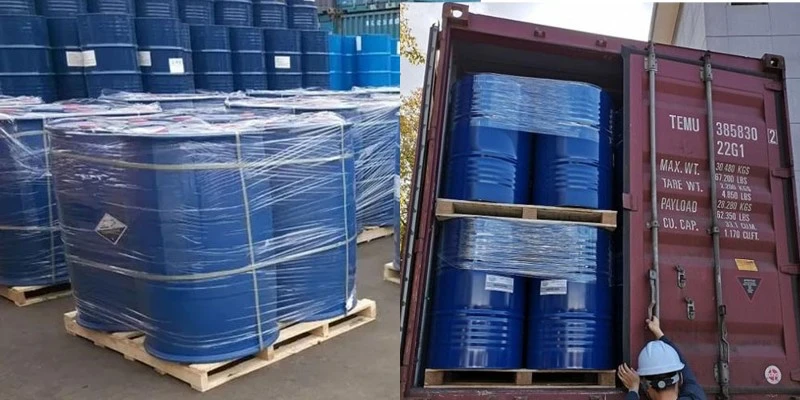
Confirm the required industrial grade and product specifications before ordering. Mixed xylene is available in different grades depending on the intended application and quality requirements. Common packaging options include steel drums, IBC tanks and ISO tanks, depending on order quantity and shipping arrangements. Buyers should confirm the required grade, packaging, order quantity and destination when requesting a quotation.
About GNEE BIO
Tianjin Gnee Biotech Co., Ltd. (GNEE BIO) is a chemical supplier and exporter providing industrial solvents to international B2B customers. We focus on products including mixed xylene and o-xylene for paints, coatings, adhesives and other industrial applications.
Through cooperation with qualified manufacturers and an established export supply chain, we support buyers with product specifications, batch COA, TDS and SDS/MSDS. Third-party inspection services, including SGS, are available upon request.
We offer flexible packaging and international shipping solutions to meet different purchasing requirements.
Buying xylene for prep, thinning or production use? See the CAS 1330-20-7 Mixed Xylene for Paints and Coatings product page, or Request a Quote. Email sales@gneebio.com
FAQ
Is xylene or acetone better for cleaning metal before painting?
Acetone is the common choice for the final wipe on clean bare metal because it flashes off very quickly. Xylene is better for removing oils, waxes and grease. A common approach is to degrease first and finish with a fast-drying wipe, always following the coating maker's surface-preparation instructions.
Can I use xylene instead of acetone to thin paint?
Xylene is a normal thinner for alkyd, epoxy-ester and chlorinated-rubber paints, but use the thinner named on your paint data sheet. Acetone is generally not a substitute for those systems, and water-based paints are thinned with water instead.
Is acetone a VOC? Is xylene?
In the United States, acetone has been VOC-exempt since 1995, while xylene is both a VOC and a hazardous air pollutant. In the EU, both count as VOCs because the definition is based on boiling point. Check your local rules and permit.
Which is safer, xylene or acetone?
Neither is safe without controls. Acetone is more flammable, with a flash point of about −17 °C, while xylene has stricter exposure limits and can be absorbed through the skin. Use ventilation, gloves and ignition-source control with either.