


Yes. Methyl methacrylate (MMA, CAS 80-62-6) is a hazardous material. It is a highly flammable liquid and vapor (flash point about 10 °C), irritates the skin, eyes and respiratory tract, and is a potent skin sensitizer. If the inhibitor is depleted or the liquid is overheated, it can polymerize exothermically and may rupture its container.
Basic Information
Chemical Name: Methyl methacrylate
Synonyms: Methyl methacrylate monomer; Methacrylic acid methyl ester; Methyl 2-methylpropenoate
CAS number: 80-62-6
Appearance: Colorless liquid
Boiling Point: ~100–101°C
Flash point: ~10 °C
Transport: UN 1247, Class 3 (confirm on SDS)

Main Hazards of Methyl Methacrylate MMA (CAS 80-62-6)
MMA chemical is a highly flammable liquid and vapor (flash point 10°C) that undergoes a violent polymerization reaction when overheated. It is irritating to the skin, eyes, and respiratory tract, a potent skin sensitizer, and can cause central nervous system reactions. A single exposure can be toxic to specific organs, and it is classified as a hazardous air pollutant.
Methyl methacrylate hazard information:
| GHS classification | Hazard statement |
|---|---|
| Flammable liquids, category 2 | H225 – Highly flammable liquid and vapor |
| Skin irritation, category 2 | H315 – Causes skin irritation |
| Skin sensitization, category 1 | H317 – May cause an allergic skin reaction |
| STOT single exposure (respiratory irritation), category 3 | H335 – May cause respiratory irritation |
Health Effects by Exposure Route
| Route | Possible effects |
|---|---|
| Inhalation | Irritation of the nose, throat and lungs; headache, dizziness or drowsiness at high vapor levels |
| Skin contact | Irritation; repeated contact can cause allergic contact dermatitis (sensitization) |
| Eye contact | Irritation, redness and tearing |
Workplace exposure limits vary by country (for example, ACGIH lists a TLV-TWA of 50 ppm - confirm the current value for your jurisdiction). Keep vapor levels as low as practicable.
Fire and Explosion Data
| Property | Approximate value |
|---|---|
| Flash point | ~10 °C (ignitable vapor at normal room temperature) |
| Explosive limits in air | About 2.1–12.5 vol% |
| Auto-ignition temperature | About 420 °C |
| Vapor density | About 3.5 (heavier than air; vapor travels along the ground) |
Use foam, dry chemical, carbon dioxide or water spray, and cool exposed containers with water spray; overheated closed containers can polymerize and burst. Refer to the SDS for the batch supplied.
Safe Handling of Methyl Methacrylate liquid
To mitigate risks, taking appropriate safety precautions is crucial:
1. Storage Guidelines
Methyl methacrylate (MMA) should be stored in a cool, well-ventilated place. It must be kept away from heat, sparks, and open flames. Always store this chemical in sealed containers.
2. Personal Protection
Wear chemical goggles and suitable protective clothing, and use respiratory protection where ventilation is poor. Ordinary thin disposable gloves give little protection because methyl methacrylate passes through many common glove materials quickly; choose gloves as specified in the SDS (for example butyl rubber or laminate film gloves) and change them promptly after contact.
3. Workplace Safety
Ensure good ventilation in the work area. Use explosion-proof equipment when handling MMA chemicals. Always follow the instructions in the Safety Data Sheet (SDS). Contact us for the complete SDS.
4. First Aid and Spill Response
- Skin: remove contaminated clothing and wash the skin thoroughly with soap and water.
- Eyes: rinse with plenty of water for several minutes, holding the eyelids open; seek medical attention if irritation persists.
- Inhalation: move to fresh air; seek medical advice if symptoms develop.
- Spill: remove ignition sources, ventilate, absorb with an inert material, keep out of drains and waterways.
These are general measures; follow the first-aid and spill instructions in the SDS.
What is Methyl methacrylate liquid used for?
- Acrylic Plastics (PMMA): Methyl methacrylate (MMA) is used to manufacture clear, rigid PMMA, widely used in automotive parts, signage, safety glass, and consumer products.
- Structural Adhesives: Methacrylate adhesives are used for high-strength bonding of metals, plastics, and composites in the automotive and marine industries.
- Surface Coatings and Paints: Used in outdoor latex paints, varnishes, and enamel resins.
- Medical and Dental: Used in the manufacture of acrylic bone cement, dental crowns, dentures, and fillings.
- Construction and Manufacturing: Used in anti-slip flooring, PVC impact modifiers (MBS resins), and wood/paper impregnation.
- For product details and other uses, click to view the relevant articles.
Methyl methacrylate CAS 80-62-6 MMA supplier
FAQ
Q: Is methyl methacrylate (CAS 80-62-6) hazardous?
A: Yes. MMA is a highly flammable liquid and vapor (H225) that irritates skin, eyes and the respiratory tract and can cause allergic skin reactions (H315, H317, H335).
Q: What is the flash point of MMA?
A: About 10 C, so it forms ignitable vapor at normal room temperature.
Q: Is MMA a skin sensitizer?
A: Yes (H317). Repeated contact can cause an allergic skin reaction, so suitable gloves and protective clothing are essential.
Q: Why must MMA contain an inhibitor?
A: Inhibitors such as MEHQ prevent spontaneous polymerization during storage and transport.
Q: Is solid PMMA as hazardous as MMA?
A: No. Solid PMMA is far less hazardous than the liquid monomer, but it can release monomer and other fumes when heated strongly or burned.
Q: How should MMA be stored?
A: In sealed containers in a cool, well-ventilated place away from heat, sparks and sunlight, and not under an inert atmosphere, because the inhibitor needs dissolved oxygen.
Related Articles:
Are PMMA and MMA the same?
CAS NO 80-62-6 Methyl Methacrylate (MMA): Key Monomer For PMMA
about us
Tianjin Gnee Biotech Co., Ltd. (GNEE BIO), established in 2021, is a professional chemical supplier and exporter serving distributors, manufacturers and industrial users worldwide. We work with qualified manufacturing partners and apply strict quality control throughout the supply process. Certifications including REACH, ISO, FMQS and HALAL are available on request.
Why Buy from GNEE BIO?
- Documentation with every order: COA, TDS and SDS/MSDS. SGS third-party inspection is available on request.
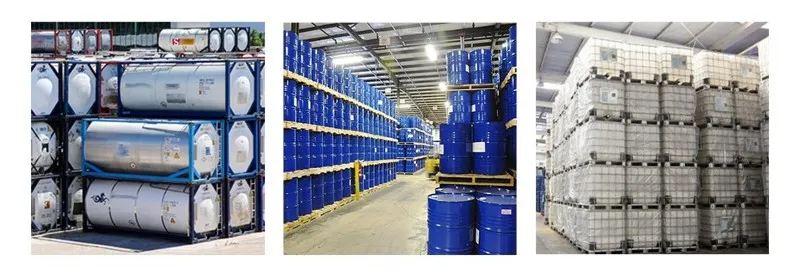
- Flexible packaging and shipping: steel drums, IBC tanks and ISO tanks; FOB, CFR and CIF quotations; warehouses in Qingdao, Tianjin and Shanghai.
- Export experience: shipments to Europe, North America, South America, the Middle East, Asia Pacific and Africa.
- Fast response: inquiries answered within 24 hours.
Other Hot-Selling Products
| Dimethyl Sulfoxide (DMSO) | CAS 67-68-5 |
| Dichloromethane / Methylene Chloride | CAS 75-09-2 |
| Glacial Acetic Acid / Ethanoic Acid | CAS 64-19-7 |
| Ethyl Acetate / Ethyl Ethanoate | CAS 141-78-6 |
| Ethylene Glycol / Monoethylene Glycol (MEG) | CAS 107-21-1 |
| Xylene | CAS 1330‑20‑7 |
GNEE BIO Product Packaging
| Packaging Type | Net Weight |
|---|---|
| Steel Drum | 250 kg |
| IBC Tank | 1250 kg |
| ISO Tank | Bulk shipment |
Customer Visit
