

Methyl Methacrylate (MMA), with CAS 80-62-6, is a widely used organic compound in the chemical and manufacturing industries. Known for its excellent transparency, durability, and weather resistance, MMA is a key raw material in producing high-performance plastics and coatings.
What Is Methyl Methacrylate (CAS 80-62-6)?
Methyl Methacrylate (MMA, CAS 80-62-6) is a colorless, volatile, and flammable liquid with a sharp, fruity odor, predominantly used to produce poly(methyl methacrylate) (PMMA) acrylic plastics and resins. It serves as a raw material for coatings, adhesives, dental cements, and orthopedic bone cements.
- Synonyms include: methyl 2-methylprop-2-enoate and methacrylic acid methyl ester.

What are the properties of Methyl methacrylate?
The main chemical properties of methyl methacrylate (MMA) include:
- Its molecular formula is C5H8O2. The double bonds between the carbon atoms in its methacrylate groups give it high reactivity, making it suitable for polymerization reactions.
- At room temperature, MMA is a colorless, transparent liquid with a characteristic, strong fruity aroma.
- It has a boiling point of 100–101 °C and a freezing point of approximately -48 °C, indicating its volatility; therefore, it requires extra care during storage and handling.
- It is soluble in most organic solvents, such as ethanol, acetone, and benzene, but slightly soluble in water.
- The high reactivity of the double bonds in the methacrylate groups makes MMA a monomer that readily forms polymers and copolymers.
- It has moderate thermal stability.
- MMA is considered a volatile organic compound (VOC) with potential health risks; therefore, appropriate safety measures must be taken during handling and use. MMA vapor can irritate the eyes, skin, and respiratory system.
| Chemical formula | C₅H₈O₂ |
|---|---|
| CAS number | 80-62-6 |
| UN number | UN 1247 (methyl methacrylate monomer, stabilized) - confirm on SDS |
| Appearance | Colorless liquid |
| Odor | Acrid, fruity |
| Boiling point | ~100–101 °C |
| Density | ~0.94 g/cm³ |
| Solubility | Slightly soluble in water |
| Flammability | Highly flammable |
How Is MMA Produced and Polymerized?
Industrial MMA is made mainly by the acetone cyanohydrin (ACH) route, by C4-based routes that oxidize isobutylene or tert-butanol, or by ethylene-based routes. After purification, a small amount of inhibitor is added so the monomer stays stable in storage and transport.
At the customer's plant, MMA is polymerized by several methods, and the method decides the final product:
| Method | Typical product |
|---|---|
| Bulk (cell-cast) | Cast acrylic sheet, blocks and rods |
| Suspension | PMMA beads and molding compounds |
| Emulsion | Acrylic latex for paints, coatings and adhesives |
| Solution | Acrylic resins for coatings and inks |
What is MMA CAS 80-62-6 used for?
Methyl methacrylate (MMA) has a wide range of applications in various industries due to its versatility and excellent properties.
1. Acrylic Plastics (PMMA Production)
The largest use of MMA is PMMA, valued for optical clarity, light weight and weather resistance. Applications include transparent sheets (glass alternatives), signage and displays, lighting and automotive light covers, and medical devices.
- Wondering about the difference? See Are PMMA and MMA the same?
2. Coatings and Paints
MMA is widely used in coatings and paints to improve adhesion, weather resistance, gloss, and durability. It is widely used in industrial coatings, marine coatings, road marking paints, etc.
3. Adhesives and Sealants
MMA-based adhesives are characterized by strong bond strength, rapid curing, chemical resistance, and impact resistance. Methyl methacrylate-based adhesives are widely used in: construction, automotive assembly, and electronics manufacturing.
4. Resin and Plastics Manufacturing
Methyl methacrylate (MMA) is a key component in the production of specialty resins used in PVC modifiers, impact-resistant plastics, etc.
5. Textile and Leather Processing
In the textile industry, MMA (CAS 80-62-6) is used to improve fabric finishing, enhancing fabric durability and water resistance.
6. Medical and Dental Applications
Methyl methacrylate (MMA) derivatives can be used in bone cement, dental prostheses, orthopedic implants, etc. Their good biocompatibility and stability make them suitable for medical applications.
Buying MMA: What to Specify
- Purity: high-purity monomer grade; the exact assay is on the COA.
- Inhibitor: type (typically MEHQ) and content in ppm, matched to your polymerization process.
- Other COA items: water, acidity and color, which affect polymer clarity and reaction control.
- Storage and shelf life: MMA has a limited shelf life; store it cool, away from sunlight, and do not store under nitrogen because the inhibitor needs dissolved oxygen.
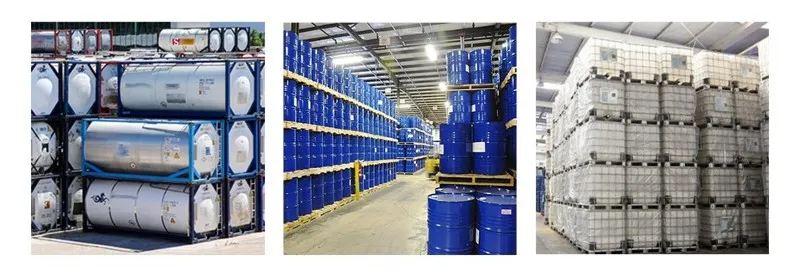
- Packaging and shipping: steel drums, IBC tanks or ISO tanks; transport as UN 1247, Class 3 flammable liquid.
Methyl methacrylate CAS 80-62-6 MMA supplier
Methyl methacrylate Compared with Related Acrylic Monomers
MMA is usually copolymerized with other acrylic monomers to tune hardness and flexibility. A rough guide:
| Monomer (CAS) | Homopolymer character | Typical role in a copolymer |
|---|---|---|
| Methyl methacrylate (80-62-6) | Hard, glassy; Tg about 105 °C | Hardness, clarity, weather resistance |
| Methyl acrylate (96-33-3) | Softer; Tg about 10 °C | Balanced hardness and flexibility |
| Butyl acrylate (141-32-2) | Very soft; Tg about −54 °C | Flexibility, adhesion, low-temperature performance |
| Methacrylic acid (79-41-4) | Acid-functional | Adhesion, crosslinking sites, colloidal stability |
FAQ
Q: What is methyl methacrylate (CAS 80-62-6) used for?
A: Mainly to make PMMA acrylic plastics, and as a monomer for acrylic coatings, adhesives, specialty resins and medical/dental materials.
Q: Is MMA the same as PMMA?
A: No. MMA is the liquid monomer; PMMA is the solid acrylic polymer made from it.
Q: Is MMA soluble in water?
A: Only slightly, roughly 1.5 g per 100 mL at 20 C. It is soluble in most organic solvents.
Q: Why does MMA contain an inhibitor?
A: An inhibitor such as MEHQ prevents spontaneous polymerization during storage and transport.
Q: What documents come with an MMA order?
A: COA, TDS and SDS/MSDS are supplied; SGS inspection is available on request.
Request MMA CAS 80-62-6 price and SDS
about us
Tianjin Gnee Biotech Co., Ltd. (GNEE BIO), established in 2021, is a professional chemical supplier and exporter serving distributors, manufacturers and industrial users worldwide. We work with qualified manufacturing partners and apply strict quality control throughout the supply process. Certifications including REACH, ISO, FMQS and HALAL are available on request.
Other Hot-Selling Products
| Dimethyl Sulfoxide (DMSO) | CAS 67-68-5 |
| Dichloromethane / Methylene Chloride | CAS 75-09-2 |
| Glacial Acetic Acid / Ethanoic Acid | CAS 64-19-7 |
| Ethyl Acetate / Ethyl Ethanoate | CAS 141-78-6 |
| Ethylene Glycol / Monoethylene Glycol (MEG) | CAS 107-21-1 |
| Trichloroethylene | CAS 79-01-6 |
| Cyclohexanone | CAS 108-94-1 |
GNEE BIO Product Packaging
| Packaging Type | Net Weight |
|---|---|
| Steel Drum | 250 kg |
| IBC Tank | 1250 kg |
| ISO Tank | Bulk shipment |
Customer Visit
