

Ethyl acetate (EA, CAS 141-78-6) is a colorless organic solvent with a characteristic fruity odor. Its relatively low boiling point, good solvency, and fast evaporation make it widely used in paints and coatings, printing inks, adhesives, and chemical processing. Industrial buyers select ethyl acetate according to purity, water content, application requirements, and handling specifications.
What is Ethyl Acetate/EA?
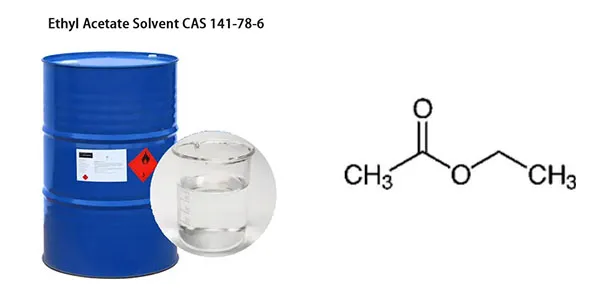
Ethyl acetate is an important organic compound used as an industrial and laboratory solvent. Its chemical formula is C4H8O2 or CH₃CO₂CH₂CH₃. It is a clear, colorless liquid with a mild, fruity odor and is recognized for its excellent solvency, moderate boiling point, and fast evaporation rate.
| Properties of Ethyl Acetate CAS 141-78-6 | |
| Boiling Point | 77.1 °C (171 °F) |
| Molecular Weight | 88.11 g/mol |
| Density (at 20 °C) | 0.902 g/cm³ |
| Melting Point | -83.6 °C (-118.5 °F) |
| Solubility | Partially soluble in water; fully miscible with organic solvents |
| Hydrolysis | Reacts with strong acids/bases to form ethanol and acetic acid |
| Combustibility | Combustible in air; produces carbon dioxide and water |
For more information on Ethyl Acetate Solvent, please contact us.
Applications of Ethyl Acetate EA Solvent
1. Paints and Coatings
Ethyl acetate is used as a solvent in various industrial paints, varnishes, and coating formulations. Its solvency and evaporation characteristics help dissolve compatible resins and support film formation during the drying process. It is commonly considered in automotive refinishing, furniture coatings, and other industrial coating applications, depending on the formulation.
2. Printing Inks
Ethyl acetate EA solvent is widely used in solvent-based printing inks, particularly in flexible packaging and gravure printing applications. It helps dissolve ink resins and provides an evaporation rate suitable for many printing processes. The required solvent grade depends on the resin system, printing speed, and drying conditions.
3. Adhesives and Sealants
Ethyl acetate (ETOAC) serves as a solvent in selected adhesive formulations, helping dissolve compatible polymers and adjust formulation viscosity. It is used in certain packaging, footwear, and industrial bonding applications. Its suitability depends on the adhesive resin, formulation requirements, and drying conditions.
Ethyl Acetate Industrial Solvent CAS 141-78-6
Safety information
Potential Health Hazards
- Inhalation can cause dizziness and irritation.
- Prolonged exposure may affect the respiratory and nervous systems.
Best Practices for Safe Handling and Storage
- Store in cool, ventilated areas away from heat and flames.
- Use proper personal protective equipment (PPE) during handling.
Why Is Ethyl Acetate Widely Used as a Solvent?
Ethyl acetate (CAS 141-78-6) is widely utilized because it strikes an effective balance among its solvency power, evaporation rate, toxicity profile, and production costs.
Compared to chlorinated solvents, ethyl acetate exhibits relatively low toxicity and is easier to handle in many industrial applications. Furthermore, in contrast to slower-evaporating solvents, ethyl acetate evaporates rapidly, thereby enhancing the drying efficiency of paints, inks, and adhesives.
Its moderate polarity enables ethyl acetate to dissolve a wide variety of resins, polymers, oils, and organic compounds, making it suitable for use in fields such as coatings, pharmaceuticals, packaging inks, extraction processes, and cleaning formulations.
Moreover, ethyl acetate is regarded as a more environmentally friendly solvent, as it is biodegradable under appropriate conditions and contains no chlorinated components.
- Related Articles: Wide Applications Of Ethyl Acetate Solvent in Various Industries
ethyl acetate vs acetone
| Parameter | Ethyl Acetate (EA) | Acetone |
|---|---|---|
| Chemical Formula | C₄H₈O₂ | C₃H₆O |
| CAS Number | 141-78-6 | 67-64-1 |
| Odor | Fruity, sweet odor | Sharp, pungent odor |
| Molecular Weight | 88.11 g/mol | 58.08 g/mol |
| Boiling Point | 77.1 °C | 56.05 °C |
| Melting Point | -83.6 °C | -94.7 °C |
| Density (20 °C) | 0.902 g/cm³ | 0.79 g/cm³ |
| Evaporation Rate | Fast | Very fast |
| Water Solubility | Slightly soluble | Completely miscible |
| Flash Point | -4 °C | -20 °C |
| Flammability | Highly flammable | Extremely flammable |
| Common Applications | Paints, coatings, inks, adhesives, extraction | Cleaning, degreasing, nail polish remover, electronics |
- Ethyl acetate is frequently selected as a solvent in coatings, inks, adhesives, and extraction processes, as it strikes an excellent balance between solvency, drying speed, and material compatibility. Conversely, for heavy duty cleaning and applications requiring rapid evaporation-such as in the fields of electronics cleaning and degreasing-acetone is the preferred choice.
Frequently Asked Questions (FAQ)
Q: Is Ethyl Acetate highly flammable?
Q: What is Ethyl Acetate mainly used for?
Q: Is Ethyl Acetate water soluble?
Q: Is ethyl acetate eco-friendly?
about us
Tianjin Gnee Biotech Co., Ltd. was established in 2021 and is a professional supplier of industrial chemicals serving customers worldwide. We specialize in sourcing high-quality chemical raw materials, providing stable supply, competitive pricing, and reliable export services for global distributors, manufacturers, and industrial users.
GNEE BIO is dedicated to delivering quality chemicals, professional service, and long-term partnerships for customers around the world.
Related Solvents:
| Dimethyl Sulfoxide (DMSO) | CAS 67-68-5 |
| Ethylene Glycol (MEG) | CAS 107-21-1 |
| Isopropyl Alcohol (IPA) | CAS 67-63-0 |
| Cyclohexanone | CAS 108-94-1 |
| Dichloromethane (DCM) | CAS 75-09-2 |
| Acetone | CAS 67-64-1 |
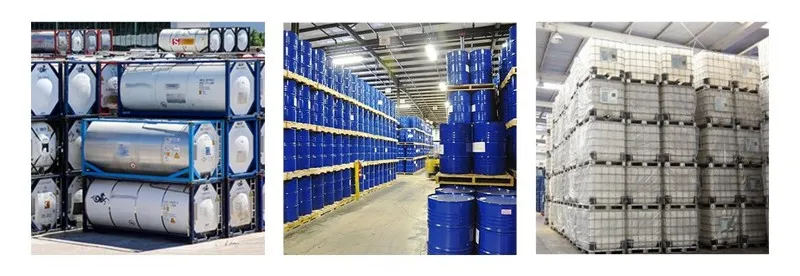
GNEE BIO Product Packaging
| Packaging Type | Net Weight |
|---|---|
| Steel Drum | 250 kg |
| IBC Tank | 1250 kg |
| ISO Tank | Bulk shipment |
Customer Visit