
Overview
CAS No.75-09-2 Dichloromethane (DCM), also known as methylene chloride, is a chlorinated hydrocarbon solvent with the molecular formula CH₂Cl₂ and CAS Number 75-09-2. Due to its excellent solvency, low boiling point, and rapid evaporation characteristics, DCM is widely used in pharmaceutical manufacturing, electronics cleaning, chemical processing, metal degreasing, and specialty industrial applications.
According to multiple industry research sources, the global dichloromethane market is valued at over USD 2 billion and is expected to experience moderate growth through 2030. Despite increasing regulatory oversight in some regions, industrial and commercial demand remains strong due to the solvent's unique performance characteristics.
Methylene Dichloride Chemical Molecular Formula
The molecular formula of dichloromethane is CH2Cl2. DCM is categorized as a haloalkane, meaning that it is an alkane (a hydrocarbon with only single bonds), with halogen (group 17 element) substitution of some hydrogen atoms. It is specifically based upon the simplest of all the alkanes, methane, or CH4, where two of the hydrogen atoms in that molecule are replaced by chlorine atoms.
| Parameter | Specification | Regulatory Reference |
|---|---|---|
| CAS Number | 75-09-2 | IUPAC, EPA TSCA Inventory |
| EINECS Number | 200-838-9 | EU REACH Registration |
| Molecular Formula | CH₂Cl₂ | NIST Chemistry WebBook |
| Molar Mass | 84.93 g/mol | PubChem CID 6344 |
| Synonyms | Methylene chloride, Methylene dichloride, Dichloromethane, DCM | OSHA Chemical Database |
| UN Number | 1593 | IMDG / IATA Transport |


Production of Dichloromethane (DCM)
It was first prepared by a French chemist Henri Victor Regnault in the year in 1839. He isolated it from a mixture of chlorine and chloromethane which was exposed to sunlight.
Commercial dichloromethane is primarily produced through the chlorination of methane or chloromethane at elevated temperatures.
Simplified Reaction Pathway:
- CH₄ + Cl₂ → CH₃Cl + HCl
- CH₃Cl + Cl₂ → CH₂Cl₂ + HCl
- CH₂Cl₂ + Cl₂ → CHCl₃ + HCl
- CHCl₃ + Cl₂ → CCl₄ + HCl
The manufacturing process is carefully controlled to maximize DCM yield while minimizing by-product formation.
Properties of Dichloromethane CAS 75-09-2
Dichloromethane has a boiling point of 39.6°C, a density of 1.326 g/cm³ at 20°C. Combined with its ability to dissolve oils, resins, waxes, adhesives, and many organic compounds, these measurable properties make it one of the most widely used industrial solvents in pharmaceutical manufacturing, electronics cleaning, chemical processing, and metal degreasing applications.

Related Article: What Is Dichloromethane (DCM, CAS No. 75-09-2)? A Complete Technical and Safety Guide
Related Product: Industrial Grade Dichloromethane (DCM)/Methylene Chloride (CAS 75-09-2) High-Purity Solvent
Key Solubility Characteristics of Dichloromethane chemical
- Miscible with: Most organic solvents (ethanol, ether, ketones, hydrocarbons)
- Immiscible with: Water, glycols, glycerol
- Solvent power parameter: 19.8 MPa¹/² (Hildebrand)
- Evaporation rate: 52 (butyl acetate = 1)
Uses of Dichloromethane dCM
1. Methylene Chloride is used for grain fumigation and refrigeration of low-pressure refrigerators and air-conditioning devices.
2. It is also used as solvent, extractant and mutagen.
3. DCM can used in the electronics industry. Often used as a cleaning and degreasing agent.
4. It used as dental local anesthetic, refrigerant, fire extinguishing agent, metal surface paint layer cleaning degreasing and stripping agent.
5. Dichloromethane is used as an intermediate in organic synthesis.
Advantages of dichloromethane chemical:
- Strong dissolving power: Effectively dissolves many organic substances, making it an excellent solvent.
- Fast evaporation: With a very low boiling point, it easily evaporates from the dissolved substances.
- Non-flammable: Compared to other commonly used solvents, it is non-flammable and safer to use.
Global Regulatory for DCM CAS 75-09-2
| Region | Regulatory Authority / Framework | Key Requirements / Classification |
|---|---|---|
| United States | OSHA | Occupational Exposure Limit: 25 ppm (8-hour TWA); 125 ppm STEL |
| United States | EPA TSCA | Subject to EPA Risk Management Rule (2024) |
| United States | NIOSH | Recommended Exposure Limit (REL): 50 ppm |
| United States | DOT | Hazard Class 6.1 Toxic Substance |
| United States | RCRA | Hazardous Waste Code: U080 |
| European Union | REACH | Fully registered for industrial and commercial use |
| European Union | CLP Classification | Acute Tox. 4 (H332); Skin Irrit. 2 (H315); Eye Irrit. 2 (H319); STOT SE 3 (H336); Carc. 1B (H350); Muta. 2 (H341) |
| China | GB 12268 | Listed as Hazardous Chemical |
| China | Transport Classification | Class 6.1 Toxic Substance |
| Japan | Occupational Exposure Guideline | 50 ppm |
| Australia | Workplace Exposure Standard | TWA: 50 ppm; STEL: 150 ppm |
- Related article: Is dichloromethane banned in the UK?
DCM Storage, Handling & Transportation Guidelines
Storage Requirements (TRGS 510 Compliant)
Storage Class: 6.1D (Non-combustible toxic materials)
Temperature: 15-25°C; avoid direct sunlight
Ventilation: Ground-level mechanical ventilation (vapor is heavier than air)
Incompatibilities: SEPARATE from:
Strong oxidizers (nitrates, peroxides)
Active metals (Li, Na, K, Al powder)
Strong bases (NaOH, KOH)
Liquid oxygen
Container materials: Carbon steel, stainless steel 316L; ALUMINUM PROHIBITED (explosive reaction risk)
Safe Handling Protocols
Use only in approved fume hoods with face velocity ≥0.5 m/s
Ground and bond all transfer equipment (static accumulation hazard)
Never heat containers directly; use water baths only
Implement confined space entry procedures for tank cleaning
Maintain MSDS/SDS accessible at all workstations
Transportation Specifications
UN 1593, Class 6.1, Packing Group III
Marine pollutant: Yes (MARPOL Annex II)
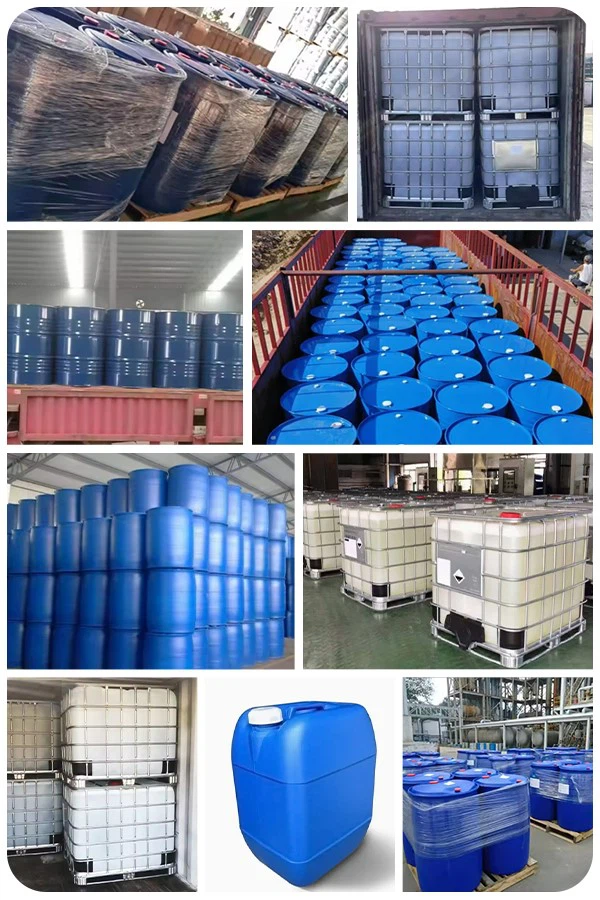
Packaging: Approved steel drums (200L), IBCs, ISO tanks
Document requirements: Dangerous Goods Note, Safety Data Sheet
Frequently Asked Questions (FAQ)
Q1. What Is Dichloromethane (DCM) Used For?
A: Dichloromethane (CAS No. 75-09-2), also known as methylene chloride, is widely used as a solvent in paint stripping, pharmaceutical manufacturing, chemical processing, metal cleaning, adhesive formulations, aerosol products, and extraction applications. It has a boiling point of 39.6°C, a density of 1.33 g/cm³ at 20°C, and a solubility in water of approximately 20 g/L at 25°C, making it suitable for processes that require efficient dissolution and easy solvent removal.
Q2. Is Dichloromethane Banned?
A: No. Dichloromethane is not globally banned. Certain consumer applications have been restricted in the United States, European Union, and several other jurisdictions. Industrial and commercial uses remain permitted under applicable regulations and safety requirements.
Q3. What Purity Grade Should I Choose?
A: The appropriate grade depends on your application:
- Industrial Grade: General cleaning and processing
- Technical Grade: Chemical manufacturing
- Pharmaceutical Grade: Drug production and extraction
- Electronic Grade: Semiconductor and electronics manufacturing
- Always consult technical specifications before selecting a grade.
Q4. Is DCM Flammable?
A: Under normal conditions, dichloromethane is generally classified as a non-flammable solvent. However, exposure to high temperatures, open flames, or hot surfaces may cause decomposition and generate hazardous gases such as hydrogen chloride and phosgene.
Q5. What Is the CAS Number of Dichloromethane?
A: The CAS number of dichloromethane is 75-09-2. Other common identifiers include:
- EC Number: 200-838-9
- UN Number: UN 1593
- Molecular Formula: CH₂Cl₂
These identifiers are commonly used in international trade and regulatory documentation.
Q6. How Should Dichloromethane Be Stored?
A: DCM should be stored in tightly sealed containers in a cool, dry, and well-ventilated area away from heat sources, direct sunlight, strong oxidizing agents, and incompatible chemicals. Proper storage helps maintain product quality and safety.
Q7. What Packaging Options Are Available?
A: Dichloromethane is commonly supplied in:
- 270 kg steel drums
- 250 kg steel drums
- ISO tanks
- Bulk tank containers
Customized packaging may be available depending on order quantity and destination requirements.
Q8. What Safety Precautions Should Be Taken When Handling DCM?
A: Operators should use appropriate personal protective equipment (PPE), including chemical-resistant gloves, safety goggles, and protective clothing. Adequate ventilation is essential to minimize vapor exposure. Always follow the recommendations provided in the Safety Data Sheet (SDS).
About GNEE BIO
GNEE BIO is a professional chemical supplier and exporter dedicated to providing industrial solvents, chemical intermediates, and specialty chemicals to the global market. We offer reliable products, highly competitive prices, and comprehensive technical documentation, including COA, SDS, and TDS. Our products are widely used in industries such as pharmaceuticals, coatings, electronics, and chemical manufacturing.
- For Safety Data Sheet (SDS), Certificate of Analysis (CoA), or custom purity specifications:
Email: sales@gneebio.com
Website: https://www.gneebio.com/inquiry