

Does Antifreeze Still Contain Ethylene Glycol?
Traditional automotive antifreeze and engine coolants continue to widely utilize ethylene glycol as their primary ingredient. Possessing stable thermal conductivity and exceptional freeze-protection capabilities, ethylene glycol has long remained the dominant base material within the vehicle cooling product sector.
Nevertheless, the high toxicity associated with ethylene glycol presents potential safety hazards, prompting the industry to develop a diverse range of alternative products tailored to various application requirements.
- Propylene Glycol: A safe alternative often marketed as "pet-friendly" antifreeze. Should pets or wildlife accidentally ingest it, the toxic effects produced by propylene glycol are significantly milder.
- Antifreeze products specifically designed for recreational vehicles (RVs) and marine vessels are formulated to provide winter freeze protection for plumbing systems. Most of these products are manufactured using non-toxic propylene glycol or ethanol as their base ingredients.
To mitigate the occurrence of poisoning incidents, regulatory authorities in various regions have implemented specific regulations. These regulations mandate that manufacturers add a bittering agent to ethylene glycol-based antifreeze products. This bitter taste serves as an effective deterrent, preventing children and animals from swallowing the liquid in the event of accidental ingestion.

Why is Ethylene glycol liquid still widely used
CAS 107-21-1 Ethylene glycol/MEG remains popular in antifreeze formulations because it:
- Lowers the freezing point of water (prevents freezing in winter)
- Raises the boiling point of the coolant (prevents overheating)
- Has excellent heat transfer performance
- Is cost-effective for large-scale automotive and industrial use
Are there alternatives to ethylene glycol?
Yes. Propylene glycol (which is less toxic and suitable for food- and pharmaceutical-related safety applications).
However, ethylene glycol remains the preferred choice in the following areas:
- Automotive cooling systems
- Heavy-duty engines
- Industrial HVAC chillers
- Heat transfer systems
CAS 107-21-1 MEG Raw Material Supplier in China
Why People Started Using Alternatives?
The search for alternatives to ethylene glycol is primarily driven by safety concerns and environmental requirements.
- Ethylene glycol poses significant toxicity risks: it is toxic if ingested-a particular danger to children and pets.
- Stricter Environmental Regulations: Industries across various sectors seek to utilize lower-toxicity fluids to better comply with environmental mandates regarding spills and waste disposal.
- Workplace Safety Regulations: Many industries mandate the use of less hazardous materials during the handling and storage of substances.
- Food and Pharmaceutical Applications: The food sector, in particular, requires the use of non-toxic alternatives, such as propylene glycol.
Propylene glycol has emerged as a viable alternative solvent due to the following characteristics:
- Significantly lower toxicity levels
- Enhanced safety, even in the event of accidental exposure
- Retention of good heat transfer properties (albeit with slightly lower efficiency)
While the primary objective behind developing alternatives is to mitigate toxicity risks, ethylene glycol generally continues to offer superior overall performance in most industrial cooling systems.
About us
As a leading manufacturer and exporter of chemical solvent, TIANJIN GNEE BIOTECH CO., LTD. provides high-quality industrial chemicals. We supply to customers across the chemical, pharmaceutical, and materials industries, ensuring consistent quality, reliable logistics, and professional technical support.
Our chemical products hold international certifications (REACH, ISO, FMQS, HALAL) for global quality recognitio. We have warehouses in coreports such as Qingdao, Tianiin, and Shanghai, with a 15-day express delivery service.
Other Hot-Selling Products
| Dimethyl Sulfoxide (DMSO) | CAS 67-68-5 |
| Dichloromethane / Methylene Chloride | CAS 75-09-2 |
| Glacial Acetic Acid / Ethanoic Acid | CAS 64-19-7 |
| Ethyl Acetate / Ethyl Ethanoate | CAS 141-78-6 |
| Ethylene Glycol / Monoethylene Glycol (MEG) | CAS 107-21-1 |
| Trichloroethylene | CAS 79-01-6 |
| Cyclohexanone | CAS 108-94-1 |
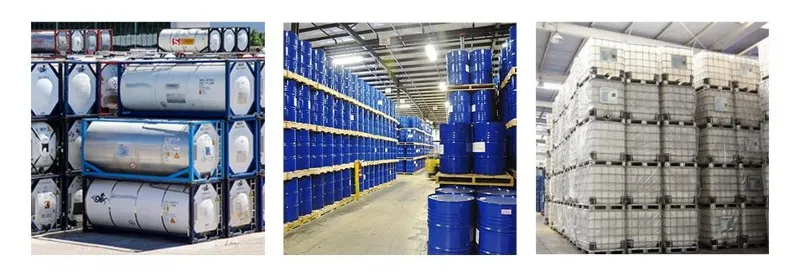
GNEE BIO Product Packaging
| Packaging Type | Net Weight |
|---|---|
| Steel Drum | 250 kg |
| IBC Tank | 1250 kg |
| ISO Tank | Bulk shipment |
Customer Visit
