

Dimethyl sulfoxide (DMSO, CAS 67-68-5) is a compound with unique physicochemical properties. Due to its "universal solubility" and strong penetrability, it is widely used in various industries and is a highly representative solvent in the chemical and pharmaceutical fields. Proper storage is essential to maintain purity, safety, and performance.
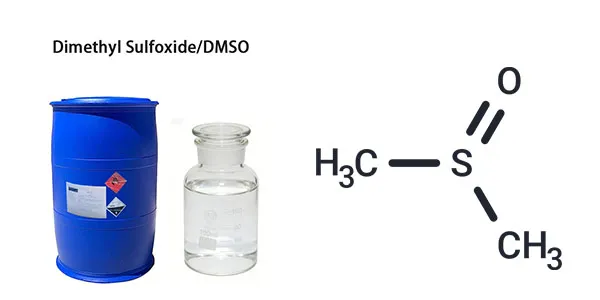
How to store DMSO solvent (CAS 67-68-5) safely?
1. Store in a cool, dry, and well-ventilated place
Dimethyl sulfoxide (DMSO) should be stored in a cool, dry, and well-ventilated environment. The recommended room temperature is between 15 and 25 degrees Celsius. Avoid direct sunlight and any heat sources during storage. A well-ventilated storage environment is crucial to prevent excessive buildup of DMSO vapors.
2. Use suitable containers
DMSO solvent is highly permeable and prolonged contact can corrode and damage some common industrial materials. It is recommended to use containers made of high-density polyethylene (HDPE), polypropylene, or stainless steel to store DMSO. Containers made of active materials and inferior plastics are unsuitable for long-term storage of DMSO. All storage containers must be completely sealed after use.
3. Moisture protection (hygroscopicity)
Dimethyl sulfoxide DMSO is a highly hygroscopic chemical that rapidly absorbs moisture from the air. Operators should seal the container immediately after each use. If necessary, desiccants or professional dry storage cabinets can be used for daily storage.
4. Separate from Incompatible Substances
DMSO must be stored separately and away from strong oxidizers, acyl chlorides, and other highly reactive chemicals during storage.
5. Use Proper Labeling and Safety Measures
All storage containers should be clearly labeled, including the chemical name DMSO and CAS number 67-68-5. Personnel should strictly adhere to the uniform GHS safe handling procedures. The DMSO Safety Data Sheet (SDS) should be placed in an easily accessible location. A complete emergency spill response kit and personal protective equipment, such as gloves and goggles, should be readily available on site.
6. Prevent Contamination
DMSO extraction and dispensing should only be performed using clean, dedicated transfer tools. Minimize container opening time and avoid frequent exposure to air. Unused DMSO should never be returned to the original sealed container.
7. Bulk Storage vs. Laboratory Storage
Laboratory Storage: Small-volume DMSO liquid in the laboratory is typically stored in amber vials in a dedicated chemical storage cabinet.
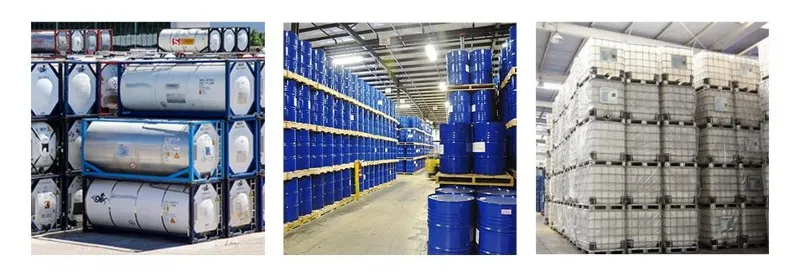
Industrial or bulk storage: Large quantities of industrial DMSO should be stored in sealed stainless steel tanks. Nitrogen protection is strongly recommended, and temperature-controlled storage equipment should be provided.
Dimethyl sulfoxide DMSO Organic Solvent
about us
As a leading manufacturer and exporter of chemical solvent, TIANJIN GNEE BIOTECH CO., LTD. provides high-quality industrial chemicals. We supply to customers across the chemical, pharmaceutical, and materials industries, ensuring consistent quality, reliable logistics, and professional technical support.
Our chemical products hold international certifications (REACH, ISO, FMQS, HALAL) for global quality recognitio. We have warehouses in coreports such as Qingdao, Tianiin, and Shanghai, with a 15-day express delivery service.
Other Hot-Selling Products
| Dimethyl Sulfoxide (DMSO) | CAS 67-68-5 |
| Dichloromethane / Methylene Chloride | CAS 75-09-2 |
| Glacial Acetic Acid / Ethanoic Acid | CAS 64-19-7 |
| Ethyl Acetate / Ethyl Ethanoate | CAS 141-78-6 |
| Ethylene Glycol / Monoethylene Glycol (MEG) | CAS 107-21-1 |
| Trichloroethylene | CAS 79-01-6 |
| Cyclohexanone | CAS 108-94-1 |
GNEE BIO Product Packaging
| Packaging Type | Net Weight |
|---|---|
| Steel Drum | 250 kg |
| IBC Tank | 1250 kg |
| ISO Tank | Bulk shipment |
Customer Visit
