

CAS 75-09-2 Dichloromethane (DCM), also commonly referred to as methylene chloride or DCM solvent, is a versatile chlorinated hydrocarbon solvent with the chemical formula CH₂Cl₂ and CAS Number 75-09-2. As a colorless, volatile liquid with a characteristic sweet, ether-like odor, this DCM chemical serves as one of the most widely used industrial solvents globally, valued for its exceptional solvency power, low boiling point, and relative chemical inertness.
Chemical Properties of DCM Solvent
|
Property |
Value |
|
Chemical Formula |
CH₂Cl₂ |
|
Molecular Weight |
84.93 g/mol |
|
Boiling Point |
39.6–40 °C |
|
Melting Point |
-97 °C |
|
Density |
1.33 g/cm³ at 25 °C |
|
Water Solubility |
13 g/L at 20 °C |
|
Vapor Pressure |
435 mmHg at 20 °C |
The physicochemical properties of dichloromethane confer key characteristics, including:
1. High solvency for a wide range of organic compounds, resins, and polymers
2. Lower flammability compared to other hydrocarbon solvents
3. Low boiling point and rapid evaporation at ambient temperature
4. Relative chemical inertness under standard processing conditions
5. Density higher than that of water (1.33 g/mL), facilitating efficient liquid-liquid extraction

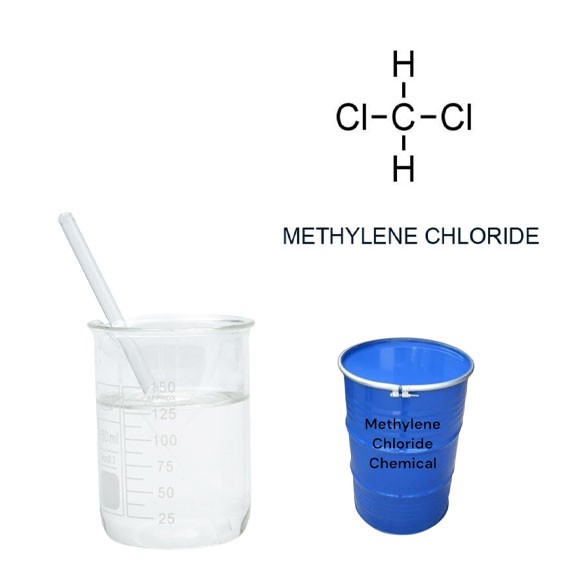
- Related products: Industrial Grade Dichloromethane (DCM)/Methylene Chloride CAS 75-09-2 High-Purity Solvent
What is DCM Dichloromethane used for?
As one of the most versatile chlorinated solvents commercially available, dichloromethane (CAS 75-09-2) serves as a critical process chemical across multiple manufacturing sectors. Its unique balance of solvency power, volatility, and chemical stability makes it the solvent of choice for major application categories: paint and coating removal, pharmaceutical manufacturing, coffee and tea decaffeination, chemical processing and polymer production, metal degreasing and industrial cleaning, adhesive formulation, aerosol product manufacturing, and laboratory analytical applications.
1. Paint Stripping and Coating Removal
Historically, the largest application of DCM dichloromethane has been in paint and coating removal formulations. Its exceptional ability to dissolve multiple paint layers, varnishes, lacquers, and epoxy coatings made it the industry standard for paint stripping operations in automotive, aerospace, construction, and furniture refurbishment. The solvent penetrates coating layers rapidly, breaking polymer bonds and allowing for efficient mechanical removal without damaging underlying substrates.
- Note: Under the U.S. EPAs 2024 TSCA risk management rule, consumer uses of methylene chloride are prohibited, while many industrial and commercial uses remain permitted under strict Workplace Chemical Protection Program (WCPP) requirements, including exposure monitoring, engineering controls, and worker protection measures.

2. Pharmaceutical Manufacturing and Extraction
The pharmaceutical industry relies extensively on DCM solvent (CAS 75-09-2) for multiple critical processes:
- Active Pharmaceutical Ingredient (API) extraction and purification
- Reaction medium for organic synthesis of steroids, antibiotics, and vitamins
- Tablet coating solvent in pharmaceutical formulation
- Ascorbic acid (vitamin C) production processes
- Chromatographic separation and purification of complex molecules

3. Decaffeination of Coffee and Tea
One of the most well-known food industry applications of methylene chloride is the decaffeination process for coffee beans and tea leaves. The selective solubility of caffeine in DCM allows for efficient extraction while preserving the flavor compounds and aromatic oils that characterize coffee and tea.
Methylene chloride remains an approved and widely used decaffeination solvent in several countries because of its selective caffeine extraction efficiency. However, alternative technologies such as Swiss Water® processing, ethyl acetate extraction, and supercritical CO₂ extraction are also widely employed in the coffee industry.
4. Chemical Manufacturing and Processing
As a universal reaction solvent, DCM chemical plays a foundational role in chemical manufacturing:
- Polycarbonate resin production as a key process solvent
- Historically, methylene chloride was used as a blowing agent in polyurethane foam production, although its use has declined significantly due to environmental and occupational safety considerations.
- Synthetic fiber manufacturing and polymer processing
- Pesticide and herbicide formulation and production
- Extraction solvent for natural products, flavors, and fragrances
5. Metal Degreasing and Industrial Cleaning
Dichloromethane serves as a high-performance degreasing agent in metal fabrication and precision manufacturing:
- Vapor degreasing for precision metal components in aerospace and automotive industries
- Specialized electronics cleaning applications where high solvency and rapid evaporation are required, although many manufacturers have transitioned to alternative cleaning technologies.
- Removal of oils, greases, and machining fluids from metal surfaces prior to painting or assembly
- Cold cleaning operations in metalworking and fabrication shops
6. Adhesive and Sealant Production
Methylene chloride functions as a critical solvent in adhesive manufacturing, particularly for plastics bonding applications. It dissolves a wide range of polymers including polystyrene, polycarbonate, ABS, and acrylics, enabling the formulation of specialty adhesives with rapid drying characteristics and strong bonding properties.
7. Aerosol Formulations
Due to its rapid evaporation and excellent solvency, methylene chloride has historically been used as a solvent component in certain industrial aerosol formulations, although regulatory restrictions have reduced this application. While environmental concerns have reduced this application, it remains an important formulation component in certain industrial aerosol products.
8. Laboratory and Analytical Applications
In research and analytical laboratories, dichloromethane (CAS 75-09-2) is indispensable for:
- Liquid-liquid extraction in analytical chemistry
- High-performance liquid chromatography (HPLC) mobile phase component
- Thin-layer chromatography (TLC) development solvent
- Organic synthesis reaction medium
- Sample preparation for environmental and forensic analysis
Why Is Dichloromethane So Effective As A Solvent?
The exceptional solvent power of dichloromethane originates from its intermediate polarity, which allows it to dissolve both non-polar organic compounds and moderately polar substances. Combined with its low boiling point (39.6°C), rapid evaporation rate, and chemical stability, DCM is particularly effective for extraction, cleaning, polymer processing, and reaction applications where easy solvent recovery is required.
Is Dichloromethane DCM liquid Flammable?
Under normal ambient conditions, dichloromethane liquid is generally classified as non-flammable. However, when exposed to high temperatures, strong ignition sources, or confined environments, combustible mixtures may form. Therefore, appropriate ventilation and industrial safety procedures remain essential during handling and storage.
What Industries Consume The Most DCM solvent Globally?
The largest global consumers of dichloromethane solvent include pharmaceutical manufacturing, chemical processing, foam production, metal cleaning, adhesives, specialty coatings, and extraction industries. Demand is particularly strong in Asia-Pacific due to the regions expanding pharmaceutical and industrial manufacturing sectors.
Regulatory Status and Safety Considerations
2024 EPA Regulatory Update
In April 2024, the U.S. Environmental Protection Agency (EPA) issued significant new regulations under the Toxic Substances Control Act (TSCA) addressing methylene chloride exposure. The new rule establishes substantially lower exposure limits:
|
Exposure Metric |
EPA TSCA ECEL |
Previous Standard |
|
8-Hour TWA |
2 ppm |
25 ppm (Cal/OSHA) |
|
15-Minute STEL |
16 ppm |
125 ppm (Cal/OSHA) |
|
Action Level |
1 ppm |
12.5 ppm |
- Note: These limits are EPA TSCA Existing Chemical Exposure Limits (ECELs) established for workplace risk management and should not be confused with OSHA Permissible Exposure Limits (PELs). Most consumer applications including paint stripping are now prohibited. Research laboratory use remains permitted under comprehensive Workplace Chemical Protection Programs (WCPP) with strict engineering controls.
- Related Article: Is dichloromethane (CAS 75-09-2) banned in the UK?
Health Hazard Classification
The International Agency for Research on Cancer (IARC) classifies methylene chloride as Group 2A (probably carcinogenic to humans), based on sufficient evidence in experimental animals and limited evidence in humans. Key health risks include:
- Acute effects: Central nervous system depression, dizziness, headaches, nausea, unconsciousness
- Cardiovascular risk: Metabolism to carbon monoxide, increasing carboxyhemoglobin levels
- Chronic effects: Liver damage, neurological impairment, carcinogenic potential
- Dermal effects: Skin irritation, chemical burns with prolonged contact
Required Safety Controls
For authorized industrial and laboratory applications, mandatory safety measures include:
- All manipulations performed exclusively in certified chemical fume hoods
- Appropriate PPE: chemical-resistant gloves (Silver Shield, Viton, or PVA), safety goggles, lab coats
- Comprehensive exposure monitoring and medical surveillance programs
- Worker training on hazards, handling procedures, and emergency response
- Proper storage in approved chemical cabinets away from heat sources
Conclusion
Dichloromethane (DCM, CAS 75-09-2) remains one of the most versatile industrial solvents developed to date, finding application in pharmaceutical manufacturing, chemical synthesis, and laboratory research.
When sourcing high-purity dichloromethane (CAS 75-09-2) for approved manufacturing and R&D purposes, please ensure compliance with all applicable local, state, and federal regulations, including the requirements implemented by the U.S. Environmental Protection Agency (EPA) in 2024 under the Toxic Substances Control Act (TSCA).
Get technical specifications, COA, SDS, packaging options, and a competitive quotation!
About us
For high-purity Dichloromethane CAS 75-09-2, GNEE BIO is your trusted industrial supplier. We provide a reliable and consistent supply of this essential solvent for your manufacturing and R&D needs. Our product is ideal for applications such as chemical processing, extraction, and degreasing.
Why choose GNEE BIO?
✅ High monthly production capacity
✅ Certified quality (REACH, ROHS, ISO)
✅ Packaging options to fit your needs
✅ Fast, reliable shipping
✅ All paperwork included

Dichloromethane packaging
| Standard Packaging | 270 kg net iron drum (export-grade) |
| Bulk Packaging | ISO tank container for large-volume shipment |
| Customized Packaging | OEM labeling, private brand packaging available |
| Transportation Mode | Sea freight / Air freight compliant solutions |
| Safety Compliance | UN-certified dangerous goods packaging (Class 6.1) |
| Export Service | Full export support with MSDS, COA, TDS, packing list & invoice |

DCM Shipping
We take great pride in offering a wide range of packaging options to cater to the diverse needs of our customers. Our commitment to customer satisfaction means that we are always ready to accommodate any specific requests you may have.
